
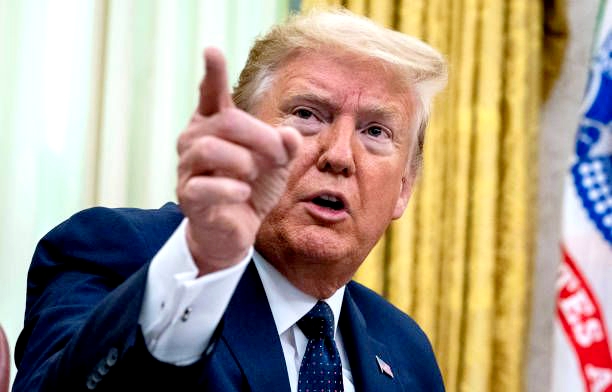
Donald Trump declared on Thursday, 17 September 2026, that the United States is rapidly approaching the end of its military confrontation with Iran. Speaking to reporters as he stepped off Air Force One, the American president asserted that Washington and Tehran are now engaged in direct negotiations to halt the hostilities. The claim represents a sudden rhetorical pivot after months of destructive air strikes, naval stand-offs, and crippling maritime blockades. Mr Trump insisted that both nations want an exit from the bloody regional contest. He offered sparse operational details on where or through which envoys these bilateral exchanges are unfolding. Iranian officials have previously refused to bargain while naval guns point at their harbours. Declarations of peace from political podiums rarely match realities on the water.
The White House faces acute domestic and international pressure to wind down an increasingly messy foreign intervention. Washington entered the campaign alongside Israeli forces aiming to break Iranian missile infrastructure, cripple allied proxy militias, and restore deterrence. That aerial onslaught disrupted commercial traffic across the Gulf and sent energy prices spiralling worldwide. General Michael Kurilla at United States Central Command insists the ongoing naval blockade around Iranian ports remains highly effective. American warships continue to interdict cargo vessels suspected of transporting weapons and oil along vital regional chokepoints. Yet enforcing an open-ended maritime cordon requires vast naval resources and risks direct collisions with third-party merchant fleets. Military sieges become harder to justify when fuel bills mount at home.
Tehran presents a contradictory posture of defiant resistance paired with quiet back-channel diplomacy. Iranian diplomats spent months setting stringent preconditions for formal negotiations, demanding that American warships lift the naval embargo before any talks resume. The regime absorbed heavy strikes on its air bases and coastal facilities without capitulating on core regional postures. At the same time, earlier exploratory contacts brokered by Pakistan in Islamabad showed that Tehran recognises the economic ruin of prolonged war. Hardline commanders in the Islamic Revolutionary Guard Corps still threaten Western shipping through the Strait of Hormuz to maintain leverage. Supreme Leader Ayatollah Ali Khamenei cannot afford to look weak before domestic critics or regional proxies. Concessions won through secret talks must be dressed up as ideological triumphs.
The geography of the Persian Gulf ensures that any military miscalculation carries disproportionate global consequences. A substantial fraction of the world’s seaborne petroleum passes through the narrow waters of Hormuz, where tanker captains navigate under naval escort. Shippers face soaring war-risk insurance premiums that make regular voyages financially punishing. In recent days, insurgent advances along the Bab al-Mandab in the Red Sea have further imperilled international shipping lanes. Commercial vessels cannot easily reroute around the Cape of Good Hope without adding weeks to voyages and enormous freight costs. Central bankers in Europe and Asia watch the maritime corridor with rising dread. Unstable supply lines feed persistent inflation across vulnerable import-dependent economies.
Mr Trump’s upbeat assessment also reflects the approaching American political calendar. The Republican administration faces mounting fatigue among conservative voters who distrust foreign military entanglements in the Middle East. Lawmakers in the United States Congress continue to debate war powers resolutions designed to restrict executive military authority overseas. Claiming an imminent diplomatic triumph allows the White House to signal resolve without committing thousands of ground troops to an Arabian quagmire. Mr Trump repeatedly tells his base that America can strike swiftly and withdraw on its own terms. Foreign wars rarely conclude according to tidy domestic campaign timetables. Declaring victory is vastly simpler than negotiating a durable treaty.
Regional allies view Washington’s diplomatic overtures with unconcealed alarm and suspicion. The Israeli government under Benjamin Netanyahu fears that any hasty American settlement will leave Iranian nuclear facilities and missile production lines intact. Gulf monarchies in Riyadh and Abu Dhabi dread a compromise that relieves pressure on Tehran while leaving regional proxy networks armed. Saudi Arabia has already weathered drone and missile strikes launched from Yemen against its western borders and economic transit pipelines. These regional partners worry that Washington might trade away their long-term security for a quick political headline. A flawed ceasefire that merely pauses hostilities could set the stage for an even bloodier round of combat. Peace deals brokered in haste routinely collapse.
The coming days will test whether Mr Trump’s claims amount to substantive diplomacy or wishful political theatre. If genuine bilateral negotiations are under way, diplomats will need to tackle complex technical agreements on naval access, uranium enrichment, and cross-border sanctions. Negotiators must draft inspection protocols that both the Pentagon and Iranian security councils can accept without losing face. Enforcing a mutual cessation of hostilities requires reliable third-party verification, which remains scarce in a fractured geopolitical landscape. Until both sides sign verifiable accords, sailors on Gulf waters will remain at battle stations. Declarations of an ending war mean little while naval batteries keep firing.