
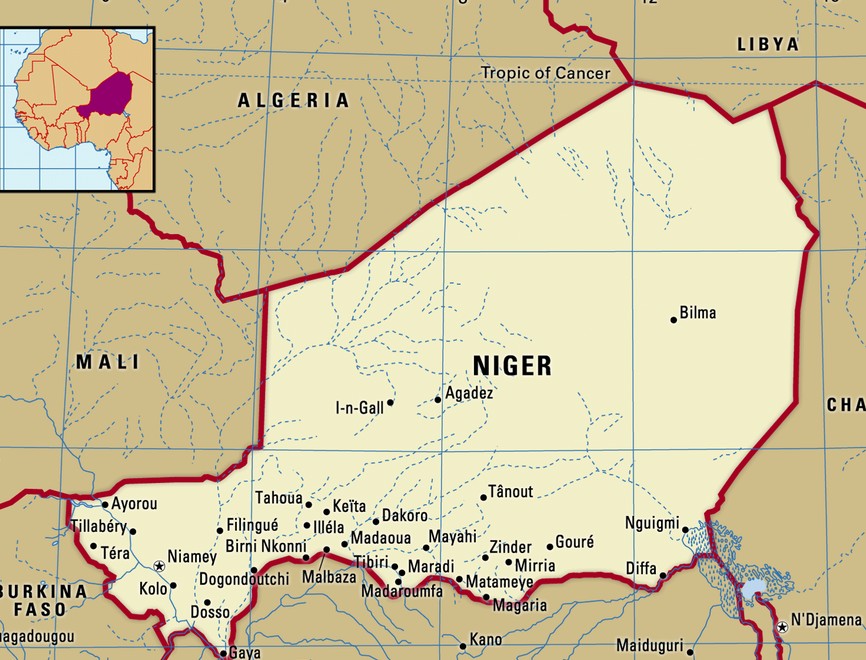
Niger has officially submitted its formal request to withdraw from the International Criminal Court. The tribunal in The Hague confirmed on Tuesday that it received the instrument of withdrawal from the junta-led West African nation. General Abdourahamane Tiani submitted the documentation on June 18, initiating a twelve-month exit timeline. The official departure will take effect exactly one year after notification, on June 18, 2027. This provocative move makes Niger only the third country to leave the court permanently. It follows similar exits by Burundi and the Philippines in previous years.
The ruling military junta defended its decision by accusing the international court of practising selective justice. In a letter to the United Nations, Niamey claimed imperialist forces exploit and misuse the global judicial body. Last September, Niger jointly announced its intention to quit the tribunal alongside its regional allies, Mali and Burkina Faso. The military rulers previously labelled the court an instrument of neo-colonial repression. However, the ICC statement on Tuesday made no explicit mention of the other two countries. The court expressed deep regret over the decision to abandon the collective fight against global impunity.
The withdrawal highlights a major geopolitical realignment across the volatile Sahel region. Hardline military governments took power through a series of coups between 2020 and 2023. These new leaders quickly turned their backs on traditional Western partners like France and the United States. Instead, they forged much closer diplomatic and military ties with the Russian Federation. Russian President Vladimir Putin currently faces an active ICC arrest warrant over the ongoing war in Ukraine. By leaving the court, the Sahelian juntas protect their domestic territory from enforcing such international warrants. Sovereignty now serves as a shield for their chosen foreign partnerships.
Domestic security concerns also underpin the decision of the ruling junta to sever ties. The military government faces persistent, deadly violence from insurgent groups linked to Al-Qaeda and the Islamic State. During these counterinsurgency operations, international observers frequently accuse the local armies of committing severe abuses against civilians. The Rome Statute dictates that Niger must still honour all court obligations until the exit date. The ICC retains full legal jurisdiction over any crimes committed before the formal June 2027 departure. This legal clause means current military commanders remain exposed to international prosecution for another year.
The diplomatic exit occurs against a backdrop of worsening domestic instability within the country. Earlier this month, unidentified gunmen launched a deadly assault on the main international airport in Niamey. The brazen attack killed more than thirty people at the strategic transport hub. The airport serves as the primary command centre for the ruling military junta and its air assets. It also houses the joint forces of the regional alliance formed by Niger, Mali, and Burkina Faso. Security forces are struggling to defend even their most secure urban bases from armed groups.
Fleeing international scrutiny will not solve these deep security failures. The exit from the Rome Statute gives the generals absolute legal freedom at home. Yet, it strips away the last remnants of international judicial accountability for the population. Regional neighbours watch this isolationist experiment with a mixture of anxiety and deep skepticism. The junta believes it has freed itself from Western imperialist chains. Time will tell if Russia provides a more reliable shield against domestic collapse.