
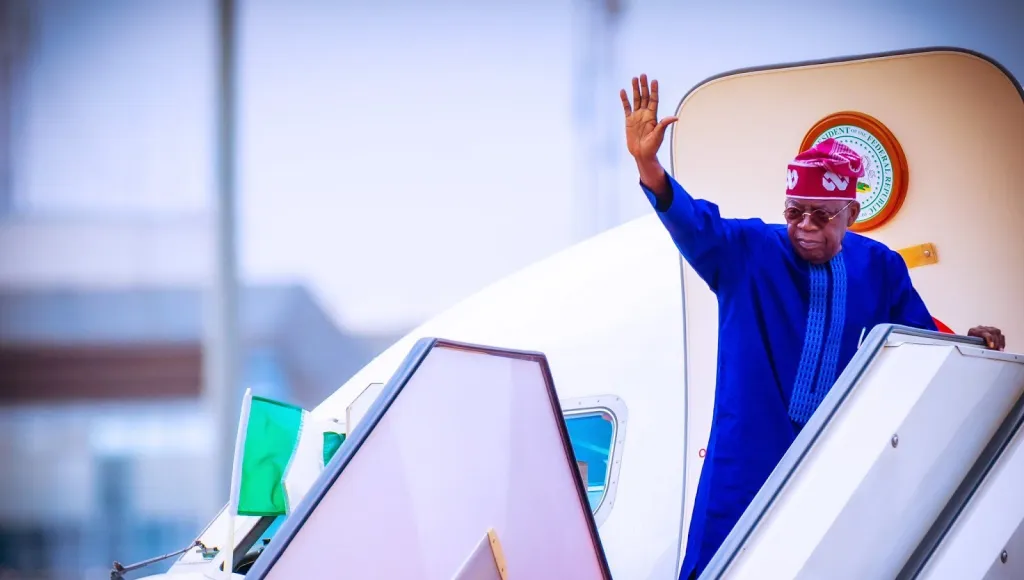
Singapore has invited President Bola Tinubu to visit the city state, according to Nigeria’s Permanent Representative to the United Nations, Ambassador Jimoh Ibrahim, who said the offer was aimed at strengthening ties between the two countries.
Ibrahim disclosed the development in a statement issued by the Nigerian Mission at the United Nations in New York. He said Singapore’s Permanent Representative to the UN, Ambassador Burhan Gafoor, delivered a letter from President Tharman Shanmugaratnam during a visit to the Nigerian mission, inviting Tinubu to Singapore.
According to Ibrahim, he received the letter, thanked the Singaporean government and assured Gafoor that he would convey the invitation to the President. He said Tinubu would find time to visit in the near future, and that the President held Tharman in high esteem.
Ibrahim linked the invitation to Tinubu’s economic policies, saying the reforms had drawn international attention and prompted interest from countries such as Singapore in sharing experience on multilateralism and national development. He compared the President’s approach to the changes associated with Singapore’s late founding Prime Minister, Lee Kuan Yew. Those are the envoy’s characterisations, and the letter itself has not been made public.
The comparison carries weight because of what Singapore represents. Under Lee Kuan Yew, who governed from 1959 to 1990, the country moved from a low income port economy to one of the wealthiest states in the world, a record often cited by Nigerian officials and commentators as a model for reform. Whether Nigeria’s current programme produces comparable results remains a matter of debate rather than settled fact.
Tinubu’s reforms have reshaped the Nigerian economy since May 2023. His administration removed the petrol subsidy and floated the naira, decisions the government says were necessary to stabilise public finances but which also drove a sharp rise in the cost of living. The Central Bank of Nigeria’s official window put the naira at about N1,322 to the dollar in the second week of September 2026, compared with about N460 before the float. Headline inflation eased to 15.43 per cent in July 2026 from 24.94 per cent a year earlier, according to the National Bureau of Statistics, though food inflation rose to 20.31 per cent over the same period.
The invitation also comes at a moment of rising diplomatic profile for Ibrahim personally. A former senator for Ondo South, he was appointed Nigeria’s envoy to the UN by Tinubu and presented his credentials in 2026. In June 2026 he was elected chairman of the General Assembly’s Fifth Committee, which handles the organisation’s administrative and budgetary affairs, and this month Nigeria assumed the chairmanship of the Special Committee on Peacekeeping Operations, known as the C-34, taking over from Canada.
Ibrahim said the two roles reflected growing confidence in Nigeria at the United Nations. He pledged to run the Fifth Committee with fairness, telling member states that every country would have a say in the allocation of resources and that the process would be impartial. He described his leadership of both committees as guided by accountability and efficiency.
The Fifth Committee assignment is significant given the financial strain facing the world body. When he assumed the chairmanship, Ibrahim noted that delayed contributions from member states had left the UN with a budget deficit running into billions of dollars, and he called on countries to meet their obligations promptly. The C-34 role connects to a longer history, as Nigeria has been among the largest contributors of personnel to UN peacekeeping missions over several decades.
Ibrahim added that his office had recorded increased diplomatic activity in recent weeks. He said the British envoy to the UN visited him the previous week, followed by the ambassador of Guyana, before Gafoor’s visit to deliver the Singaporean letter.
No date has been fixed for any visit by Tinubu to Singapore, and neither government has published a formal schedule or agenda. What has been confirmed is the delivery of the invitation and Ibrahim’s undertaking to pass it to the President. Whether it results in a state visit, and what agreements might follow on trade, investment or technical cooperation, will depend on arrangements yet to be announced by both sides.
Formal ties between Nigeria and Singapore have historically been limited, with engagement centred on trade and occasional technical exchange rather than frequent high level visits. A presidential visit, if it takes place, would mark a step up in that relationship, though the substance would rest on what the two governments agree beyond the exchange of courtesies now on record.