
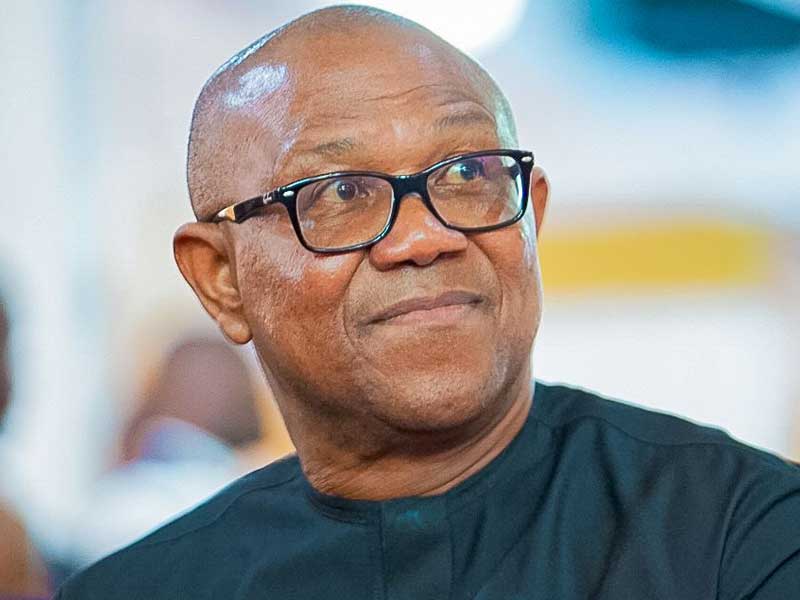
Former Anambra State Governor Peter Obi donated ten million naira to the Faith Foundation College of Nursing Sciences in Nsukka on Thursday. The gift adds to his previous financial contributions to help complete classrooms, laboratories, and clinical training infrastructure at the institution. Obi stated that building local human capacity remains the only viable path toward fixing Nigeria’s crippled public health system. A chronic shortage of trained medical personnel forces millions of citizens to rely on inadequate healthcare facilities daily. Philanthropic interventions highlight the deep funding gaps facing technical education.
The National Democratic Congress presidential candidate inspected several ongoing construction projects across the Nsukka campus during his visit. College administrators acknowledged that his earlier financial contributions provided the baseline funding needed to break ground on key administrative blocks. Obi promised continued financial support until the institution fully completes its master development plan. Investing in local nursing schools builds essential domestic workforce capacity for the long term. State authorities consistently fail to adequately fund basic tertiary health institutions.
Following his campus tour, Obi addressed delegates at the 68th Annual Conference of Anglican Youths at St. Paul’s Cathedral. He urged young Nigerians to abandon political apathy and actively participate in shaping national governance. The former governor warned citizens against choosing political leaders based on tribal identity, religious affiliation, or regional language. He argued that voters must instead demand character, proven competence, capacity, and ethical integrity from public officeholders. Accepting low standards from politicians guarantees continued economic stagnation and institutional decay.
Obi connected his physical investment in healthcare training directly to his broader campaign for political reform. Building physical capacity at educational institutions means little if predatory leadership continues to wreck the macroeconomy. Young citizens must recognize their personal responsibility in deciding who controls state resources and public policy. A nation cannot achieve progress while its electorate repeatedly accepts corrupt, incompetent governance. Real national transformation requires active civic engagement and uncompromising ethical standards from the populace.
Nigeria’s ongoing brain drain leaves local hospitals dangerously understaffed as trained health workers emigrate for better wages. Supporting regional nursing schools helps supply fresh medical talent to fill critical personnel shortages across rural communities. Yet private donations cannot substitute for comprehensive state investment in social infrastructure and civil service welfare. Policymakers must prioritize health funding over wasteful administrative overhead. Sustainable national growth demands both institutional funding and structural political reform.
Obi concluded his Nsukka visit by reiterating that building a functional society requires collective citizen action. He expressed optimism that young people can force a permanent shift away from divisive political practices. Demanding competence and accountability from leaders remains the fastest way to reverse national decline. Investing in human development today secures the nation’s future economic stability. True progress begins when citizens take active ownership of their political destiny.