
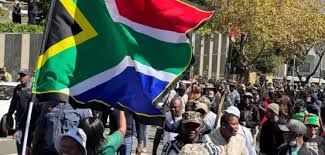
A retired Nigerian career diplomat, Ambassador Thompson Olufunso Olumoko, has urged President Bola Ahmed Tinubu to combine diplomatic engagement with urgent economic reforms at home, even as fresh xenophobic violence in South Africa continues to claim Nigerian lives.
Olumoko, who served as Nigeria’s Ambassador to Thailand with concurrent accreditation to Myanmar, made the call in a wide ranging interview published in Vanguard newspaper. His comments come at a particularly tense moment in NigeriaSouth Africa relations.
According to a statement issued by State House on May 7, 2026, President Tinubu has directed Nigerian Missions in South Africa to immediately establish a crisis notification unit for citizens affected by the renewed wave of attacks. The directive followed a phone conversation between Foreign Minister Bianca Odumegwu Ojukwu and her South African counterpart, Ronald Lamola, after the latest anti migrant protests in Durban on May 6, 2026.
The Nigerian government has confirmed the killing of two Nigerians, Amaramiro Emmanuel and Ekpenyong Andrew, in separate xenophobia linked incidents. Odumegwu Ojukwu has also raised what she described as “Afriphobia,” noting that the hostility appears selectively directed at black African nationals rather than all foreigners.
In his published comments, Olumoko condemned the attacks “in the harshest terms,” but cautioned that the issue requires balanced reflection. He stated that some Nigerians abroad “wittingly or unwittingly invited this carnage upon their heads” by violating local customs and laws, stressing that “international practices demand respect for your host countries’ customs, rules, and regulations.” He also recalled historical parallels, citing Ghana’s 1969 expulsion of Nigerians under Kofi Busia and Nigeria’s own 1983 expulsion of Ghanaians under President Shehu Shagari.
The veteran diplomat described the African Union’s response as largely ineffective, noting that its Protocol on Free Movement and other instruments “have been implemented more in the breach than in essence.” He attributed this to weak AU enforcement powers, political costs of migration policy, and economic frustrations driving anti foreigner sentiment.
Olumoko also weighed in on the controversial proposal by Senator Adams Oshiomhole, who called on the Senate floor on May 5 for the revocation of operating licences of MTN and DStv as retaliation. According to Olumoko, such steps would be “counterproductive and inadvisable.” He noted that Nigerian companies including Globacom, Access Bank, UBA, First Bank, Dangote Group and Oando also operate in South Africa, warning that retaliatory action could trigger reciprocal damage.
He recalled Nigeria’s historical sacrifices for South Africa’s liberation, estimating that Nigeria spent over $60 billion in cash and kind on the anti apartheid struggle, including hosting Thabo Mbeki at the 1004 Estate in Lagos and chairing the United Nations Anti Apartheid Committee.
But Olumoko’s strongest remarks were directed at home. He insisted Nigeria must “put her economic house in order,” lamenting that citizens are being “harassed and ridiculed all over the world.” He argued that a strong Nigerian economy would naturally restore the country’s global respect and reduce desperate emigration.
“Once Nigeria’s economy becomes strong and competitive, all those countries shunning and harassing her citizens now will be falling over themselves, begging to enter Nigeria,” he declared.