
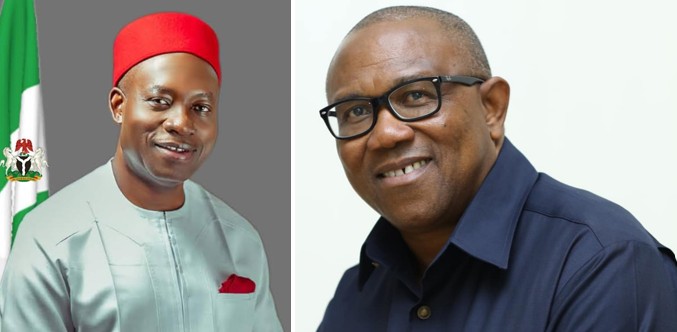
Governor Chukwuma Soludo has escalated his feud with Peter Obi by publishing official memos that detail N363.38m in unpaid salary arrears inherited from the former governor. The records, released on Friday, 25 September 2026, by the Anambra State New Media Office, show financial approvals for staff, pensioners, and next of kin from two scrapped state agencies. Officials in Awka released the paperwork to contradict Mr Obi, who appeared on television hours earlier to repeat his long-standing claim that he left office in 2014 without owing a single kobo in salaries, pensions, or verified contractor bills.
The dispute cuts straight to Mr Obi’s core political appeal. His brand rests on frugal fiscal management. The memo, signed by former Head of Service Dame Theodora Okwy Igwegbe, authorises the second payment instalment under a formal settlement signed in February 2024 between the state and the Amalgamated Union of Public Corporations, Civil Service, Technical and Recreational Services Employees. That agreement closed years of litigation by neglected workers of the defunct Anambra State Water Corporation and the Anambra State Environmental Protection Agency. State accountants drew the N363.38m from a dedicated vote balance of N500m to clear part of the back pay.
Mr Obi dismissed the claims, using a television interview to draw a firm line between legal debt and unspent facility allocations. He insists his administration never took bank loans or issued state bonds. Instead, he describes several facilities attributed to his tenure as concessionary multilateral financing arranged through federal authorities, arguing that undrawn funds do not constitute public debt. Public finance rarely tolerates such convenient semantic lines. His opponents seize on the unpaid agency wages as proof that his famous fiscal surpluses came at the direct expense of municipal workers.
The clash reflects deeper political friction in south-eastern Nigeria rather than a mere dispute over bookkeeping. Mr Soludo’s administration contends it has already spent about N22bn clearing legacy pension and gratuity backlogs left behind by its predecessors. By putting out these documents, the governor aims to deflate Mr Obi’s reputation as an impeccable steward of state wealth. Mr Obi maintains his record remains clean, arguing that statutory state obligations met all verification standards before he vacated Government House. Paper trails, however, have an awkward habit of puncturing political reputations.
Mr Soludo’s public disclosure has forced labour liability back to the centre of regional politics. Out-of-court settlements signed with public service unions demonstrate that real people spent years without pay after agency closures. Mr Obi will find it difficult to brush aside the state payroll files simply as political malice. In Nigerian politics, ledgers often serve as weapons. The administration in Awka has now used those records to land a sharp, damaging blow.