
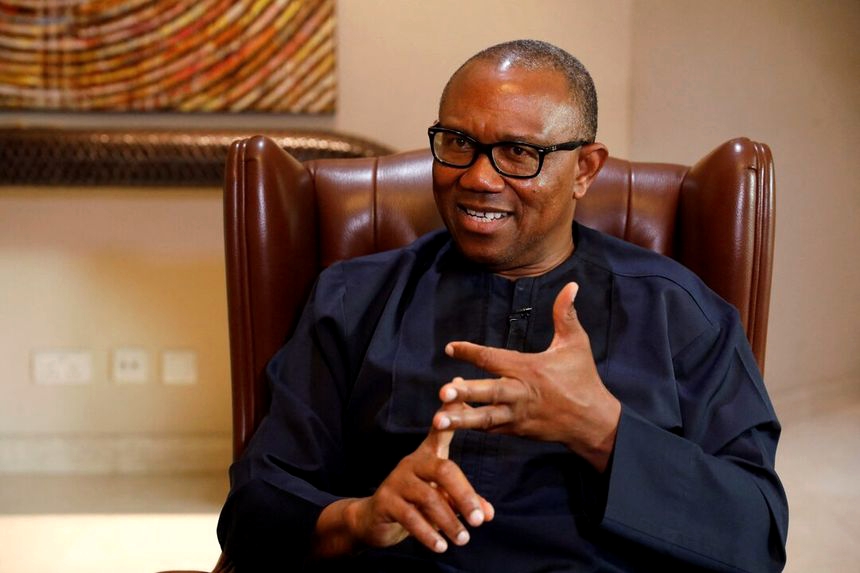
Peter Obi has rejected fresh claims by the Anambra State government that his administration left 123.77 million dollars in foreign debt liabilities when he stepped down as governor on 17 March 2014. Speaking in response to disclosures released by Governor Chukwuma Soludo’s administration in Awka, the presidential hopeful insisted he left the state on the soundest financial footing in the federation. He stated that his handover portfolio included more than 150 million dollars in cash and sovereign investment vehicles lodged across several domestic commercial banks. These liquid dollar assets alone exceeded any external loan commitments tied to his tenure. Political balance sheets rarely balance cleanly.
The dispute stems from state records detailing eight separate multilateral credit lines for malaria eradication, erosion control, and primary education. Ruling party strategists in the All Progressives Congress immediately seized on the figures to demand that Obi withdraw his candidacy for the 2027 presidential election. Obi dismissed the state’s accounting as a disingenuous conflation of long-term development facilities with unserviceable commercial arrears. He pointed out that official debt management office figures recorded Anambra’s foreign debt stock at roughly 30 million dollars when he left office. Those concessionary facilities carried thirty-year moratoriums and negligible interest rates.
Obi argued that even if the state’s headline debt figure were correct, the yield from his dollar savings would have retired the principal. The original 150 million dollars was structured to generate about 10 million dollars annually in coupon yields for the state treasury. Thirteen years of steady interest earnings would have yielded roughly 130 million dollars, enough to extinguish the entire disputed liability without touching the principal. With reinvested compound yields, those reserves would now total approximately 335 million dollars at current market valuations. Cash left behind does not govern itself. Successive administrations chose to liquidate rather than preserve those offshore savings.
The altercation cuts straight to the central premise of Obi’s national political brand as a champion of public frugality. Nigeria’s macroeconomic landscape has deteriorated under severe currency devaluations, triple-digit food inflation, and mounting external debt service obligations. In such a climate, claims of unrecorded liabilities can damage a candidate who sells austere bookkeeping as a remedy for federal fiscal drift. Soludo’s aides maintain that debt servicing continues to burden the state’s current budget. Obi countered that contractors, civil servants, and pensioners received every kobo owed to them before he vacated Government House. Public audits settle political scores slowly.
The debate exposes the absence of independent standards for auditing gubernatorial handovers across Nigeria’s thirty-six states. Outgoing governors routinely proclaim multi-billion-naira surpluses, while incoming successors complain of empty vaults and inherited vendor IOUs. Obi declared that he will no longer trade words over his provincial record, choosing to focus on national economic policy. Yet as the 2027 campaign cycle approaches, opponents will scrutinise every line of the Awka ledger. Electoral fortunes often turn on historical receipts.