
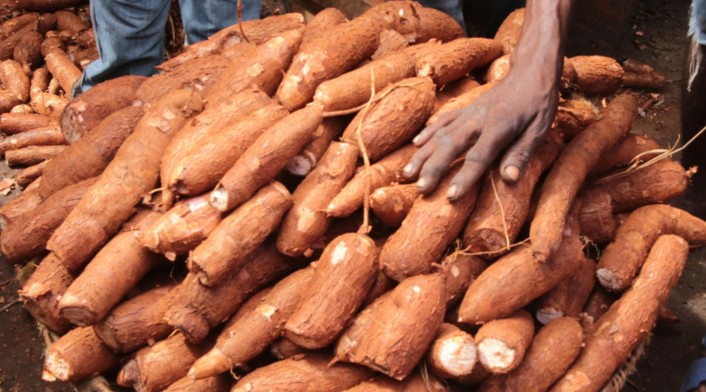
Nigeria’s cassava starch imports jumped 13,293 per cent between 2020 and 2025, rising from 24.1 tonnes to 3,227.7 tonnes and pushing domestic processors toward collapse. Trade records from the World Bank’s World Integrated Trade Solution reveal that inbound shipments reached $2.16 million in 2025, forcing local mills to run at a dismal 15 per cent of their installed capacity. That paradox stings sharply because United Nations data ranks Nigeria as the world’s top cassava grower, producing over 63 million tonnes annually.
Clashing federal trade policies have effectively priced Nigerian factories out of their own backyard. Oluyemisi Iranloye, who leads the Large-Scale Starch and Derivatives Producers Association of Nigeria, notes that Abuja slashed import duties on competing corn and pharmaceutical starches from 15 per cent to five per cent, while granting full duty waivers to healthcare manufacturers. Multinational buyers now land foreign containers far cheaper than domestic plants can process local tubers, leaving over 30 factories struggling to service their bank loans.
Smallholder farmers absorb the sharpest financial blow whenever industrial buyers shut their factory gates. Growers spend roughly N800,000 to cultivate a single hectare of cassava, yet the resulting tuber glut forces them to sell their harvest for just N300,000 in traditional food markets. Nobody farms at a loss for long.
Unchecked import stockpiling threatens to turn today’s crop surplus into tomorrow’s severe food shortage. Agricultural analyst Africanfarmer Mogaji warns that major multinationals have already booked foreign starch shipments through early 2028, meaning local farmers will slash planting acreage next season. Simultaneously, Niji Group managing director Kolawole Adeniji points out that soaring diesel prices, expensive tractors, and rural insecurity make commercial cultivation nearly impossible without multi-year, low-interest loans.
Nigeria possesses the industrial hardware to dominate West African starch production, yet poor infrastructure keeps its machines idle. Industry records list 62 registered processing plants with a combined daily capacity exceeding 1,662 tonnes of starch and flour alongside over one million litres of ethanol. Yet Industrial Cassava Stakeholders Association president Segun Ladele confirms that local factories absorb barely five per cent of national harvests, while cheaper Thai and Chinese rivals capture corporate orders.
True agricultural self-reliance requires coherent rules rather than contradictory decrees that undercut local investment. Lowering import tariffs to help drugmakers while starving agro-processors simply exports rural jobs to Asian farms. Until policymakers align trade duties with domestic factory costs and fix rural energy grids, Nigeria will keep importing derivatives of a crop it grows best.