
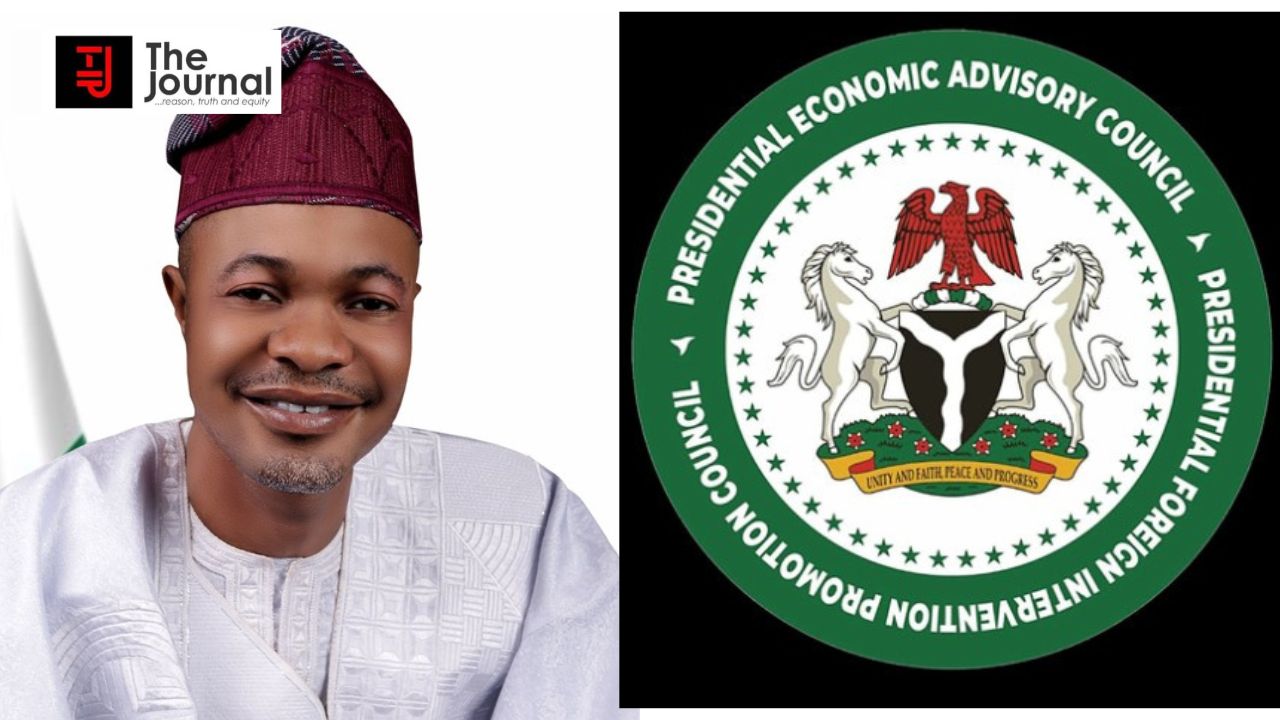
A legislative probe into a fake presidential council exposed deep weakness in the federal bureaucracy on Thursday. The State House told lawmakers it never approved or created the Presidential Foreign Investment Promotion Council. Yet the fake agency secured budget codes, seized secretariat offices, and obtained official government vehicle number plates. Federal Road Safety Corps officials admitted issuing seven government tags to the bogus body after a cursory check. Fraudsters exploit administrative blind spots easily.
Abdulkadri Idris represented the Permanent Secretary of the State House at the legislative hearing. He confirmed the Presidency never asked the Accountant-General to generate budget codes for the body. Forgers fabricated official letters using the name of a director who never worked in government. No official named Akande Adewale ever managed administrative affairs within the State House. Cybercrime investigators received official records proving the documents are complete fakes.
The committee chairman, Yusuf Gagdi, pointed out shocking flaws in financial checks. Accountant-General staff generated government accounting codes based on letters from a non-existent unit. Civil servants processed these financial approvals without calling the Presidency to verify the request. This negligence allowed fraudsters to infiltrate the 2026 Appropriation Act. Civil servants processed these approvals blindly.
The Federal Road Safety Corps added to the embarrassment during its own testimony. Corps Marshal Shehu Mohammed admitted allocating seven official government number plates to the fake council. Fraudsters received plates for a bulletproof Lexus LX, two Land Cruisers, and four Hilux trucks. Officers inspected an office in the Federal Secretariat and checked a web domain before handing over tags. Officials only realised their blunder after news reports exposed the fraud.
Self-styled director-general Prince Adeniyi Adeyemi ran the scam with surprising boldness. He submitted letters directly to agency heads to claim official authority and resources. His forged paperwork listed President Bola Tinubu and several top ministers as council members. This bold tactic duped agencies into treating his illegal outfit as a legitimate federal body. He even collected hundreds of millions of naira from private businessmen for fake government contracts.
Lawmakers ordered road safety officials to recover all seven government vehicle plates immediately. The committee summoned all involved agencies for a final hearing next week. This inquiry reveals an urgent need to rebuild verification systems across federal ministries. Unchecked administrative rot allows criminals to operate inside government buildings with impunity. The House must enforce strict penalties to prevent future impostors from exploiting state machinery.