
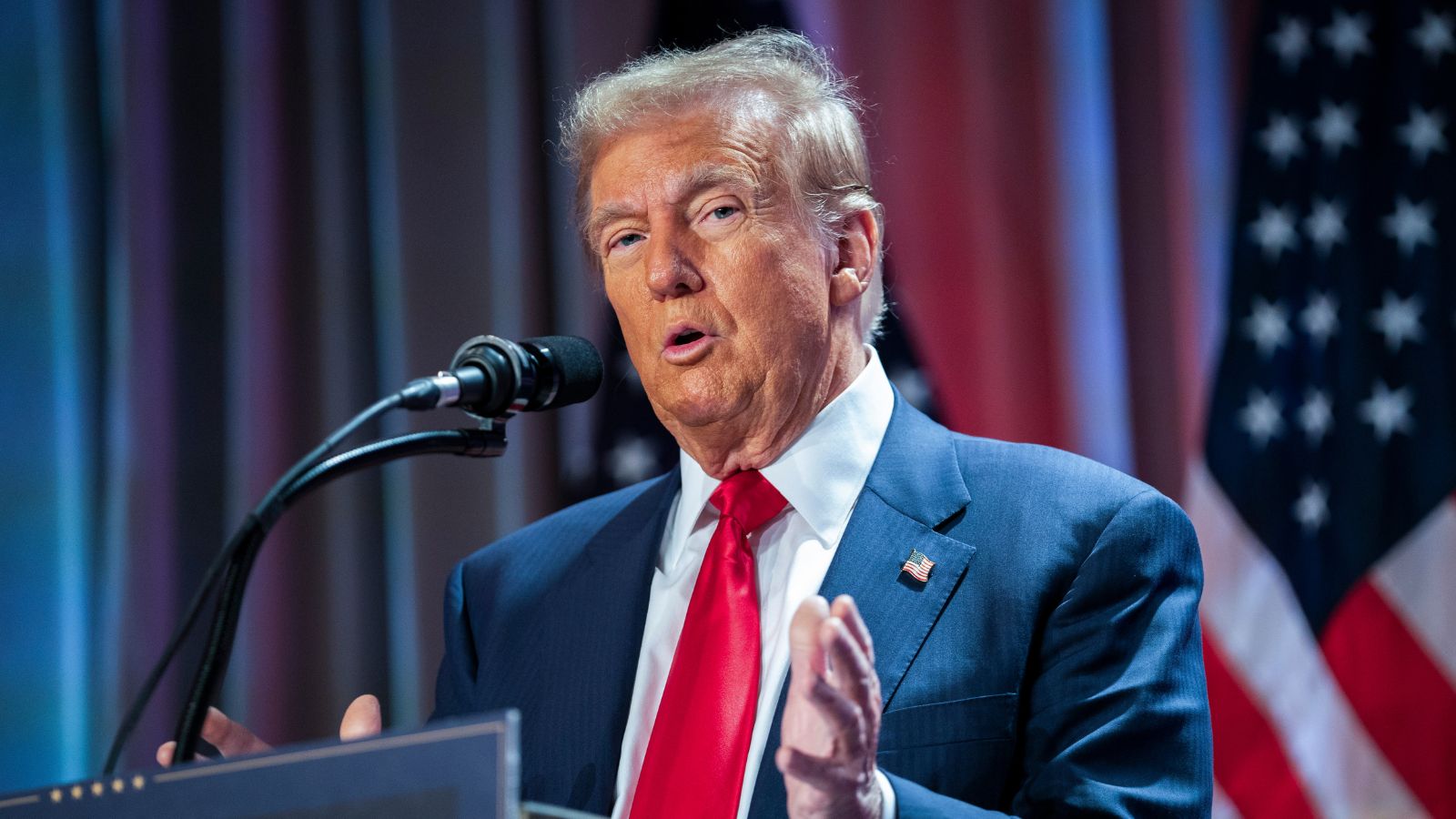
US President Donald Trump has warned that the existing trade agreement with the United Kingdom “can always be changed,” castigating Prime Minister Sir Keir Starmer for failing to support American military efforts. In a blunt interview with Sky News on Wednesday, Trump suggested the current deal was a concession he did not have to make. The remarks signal a cooling of the “special relationship” following the UK’s refusal to join the US-led war against Iran in late February.
The President’s frustration appears rooted in what he perceives as a lack of British military reciprocity. Trump noted that when the United States asked for help, the UK was “not there.” He dismissed the current state of the bilateral bond, questioning “with whom?” when asked to describe the relationship. This rhetorical distancing underscores a growing rift between Washington and London over Middle East policy.
Economic ties now appear to be at risk as a tool of American foreign policy. In May 2025, the UK secured a deal cutting import taxes on cars, aluminium, and steel, becoming the first nation to sign a tariff agreement with the returned Trump administration. By highlighting that these terms are not permanent, Trump is leveraging the UK’s economic dependence on US markets. He previously mocked the Prime Minister’s leadership, remarking that Sir Keir is “no Winston Churchill.”
Domestic UK policies have also drawn the American president’s ire. Trump branded the Starmer government’s approaches to immigration and energy as “insane,” despite claiming to personally “like” the Prime Minister. These criticisms suggest that the friction extends beyond military strategy into fundamental ideological differences. The White House seems increasingly willing to use trade access as a blunt instrument to influence the internal and external policies of its allies.
The upcoming royal state visit in late April remains the only warm front in this diplomatic winter. Trump insisted that the strain with Downing Street would not overshadow the arrival of King Charles and Queen Camilla. He described the King as “wonderful” and noted their long-standing personal acquaintance. By separating the monarchy from the “process” of government, Trump is effectively isolating the Starmer administration from the traditional pomp of the relationship.
The UK government now faces the difficult task of protecting a vital trade deal while maintaining a divergent foreign policy. The threat of revised tariffs on British steel and cars would deal a heavy blow to a fragile domestic economy. As the royal visit approaches, the contrast between personal cordiality with the Palace and political hostility with the Cabinet will be stark. Washington has made it clear that the price of a “good trade deal” is total alignment.