
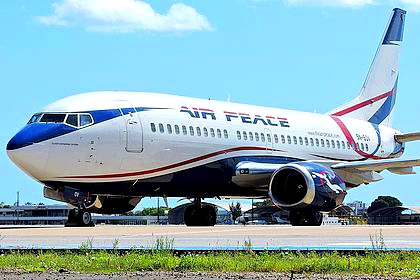
Confronted by false fire alarms, bird strikes, bad weather, and aviation fuel delays -compounded by specialised technical manpower constraints – Air Peace issues a formal apology to disrupted passengers while rolling out emergency recovery plans.
For thousands of air travellers navigating terminal halls across Nigeria, the routine journey from departure lounge to tarmac has turned into an exhausting endurance test. Flight status monitors displaying unexpected delays and sudden cancellations have upended business schedules, family reunions, and connecting journeys nationwide. At the center of this operational storm is Air Peace, Nigeria’s flagship carrier, which finds itself wrestling with a simultaneous convergence of technical glitches, environmental hurdles, and severe aviation manpower constraints.
Addressing the mounting anger across major airports, the airline issued a formal apology to the flying public. Signed by Chief Operating Officer Oluwatoyin Olajide, the statement offered an unvarnished breakdown of how several unpredictable events severely constrained the carrier’s active fleet capacity.
A Cascade of Mechanical Holds and Environmental Hazards
The primary driver behind the recent schedule collapse stems from an unusual sequence of operational shocks that rapidly removed multiple primary aircraft from rotation.
In one instance, an inadvertent false fire alarm was triggered aboard an aircraft. While no actual fire occurred, standard safety regulations mandated an immediate operational hold, requiring certified technicians to conduct exhaustive system evaluations before clearing the airframe for flight. Concurrently, another aircraft suffered a bird strike—a severe environmental hazard that damaged critical components and required several days of grounded maintenance.
These fleet contractions coincided with localised adverse weather conditions across several regional flight corridors, forcing pilots to execute precautionary diversions and holding patterns. The resulting operational backlog was further aggravated by localised supply chain delays in securing Jet A-1 aviation fuel at specific outstations.
The Human Factor: Skilled Personnel Deficits Extend Grounding Times
Compounding the technical and environmental disruptions is a subtle, persistent bottleneck: the industry-wide shortage of specialised aviation manpower. In modern commercial aviation, unexpected mechanical holds—such as false fire alarms or structural bird strikes—demand immediate, round-the-clock intervention by licensed Aircraft Maintenance Engineers (AMEs) and specialized technical crews.
When multiple aircraft require unscheduled maintenance simultaneously, the limited pool of certified engineering talent is stretched to its absolute limit. Highly specialised safety protocols require strict limits on technician working hours to prevent fatigue-related oversight. Consequently, even minor repairs or routine safety clearances take significantly longer to execute, extending the time aircraft remain grounded on the tarmac and slowing fleet turnaround times across the entire domestic route network.
Safety Mandates Versus Passenger Convenience
The sudden removal of operational capacity highlights the fragile tension in commercial aviation: balancing passenger expectations against non-negotiable safety standards. In her statement, Olajide emphasized that Air Peace maintains a strict policy regarding technical airworthiness, refusing to shortcut maintenance procedures regardless of manpower pressures.
“Air Peace will never compromise safety in an attempt to adhere to a schedule,” Olajide stated. “In Air Peace, safety remains our highest priority. We will NEVER compromise the safety of our passengers, crew and aircraft.”
The carrier reiterated that its engineering teams will not release any aircraft into service until every safety verification has been fully satisfied, regardless of the operational pressure on its departure boards.
Network Recovery and Restoring Passenger Trust
To mitigate ongoing fallout and prevent further schedule slippage, Air Peace confirmed that it is deploying immediate contingency measures. The airline is actively adjusting its flight schedules, strengthening operational redundancy, and upgrading communication channels to provide passengers with faster, real-time updates during sudden schedule revisions.
“To every passenger who has been inconvenienced, kept waiting, had a journey disrupted or had to rearrange important plans because of these operational challenges, we sincerely apologise,” the airline added, thanking travellers for their patience.
As the airline works to restore regular flight frequencies, the recent turbulence serves as a stark reminder of the fragile logistical and human capital chain supporting domestic aviation. For the travelling public, the focus now shifts to how swiftly Nigeria’s largest carrier can translate its emergency recovery plan into seamless, reliable departures across the nation’s skyways.