
You have not changed what you eat. You are not eating more than usual. But your stomach is constantly distended, uncomfortable, and unpredictable. Some days, you look three months pregnant by mid-afternoon. Clothes that fit in the morning feel tight by evening. And nobody warned you this was coming.
Bloating is one of the most common and least discussed symptoms of perimenopause. Research suggests that up to 70% of women experience significant digestive changes during the perimenopausal transition. Yet most women spend months assuming something is wrong with their diet before they connect it to their hormones.
Here is what is actually happening and what you can do about it.
The Hormone Connection Nobody Explains
Bloating during perimenopause is not primarily a digestive problem. It is a hormonal one.
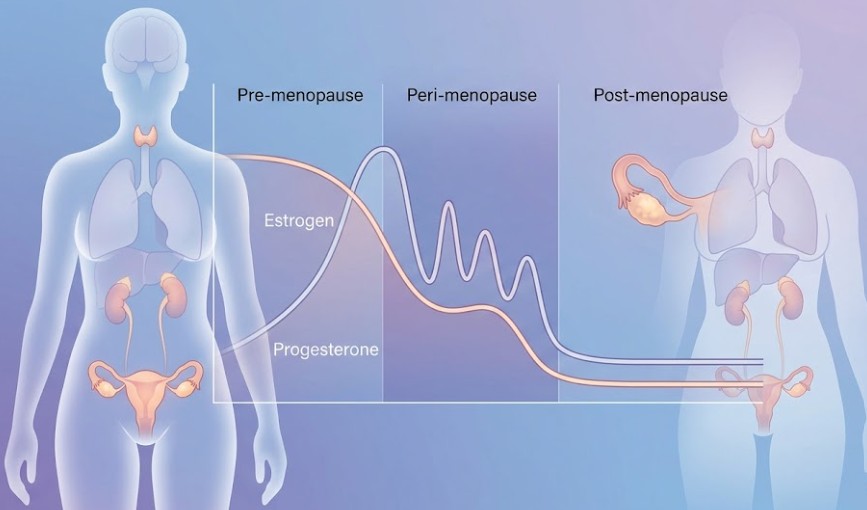
Your digestive system is deeply sensitive to estrogen and progesterone. Both hormones regulate gut motility, the speed at which food moves through your digestive tract, as well as fluid retention, gut bacteria composition, and intestinal inflammation. When these hormones begin to fluctuate erratically during perimenopause, your gut feels every shift.
Here is how each hormone contributes.
Estrogen Fluctuations and Water Retention
During perimenopause, estrogen does not simply decline in a straight line. It spikes, drops, surges again, and crashes unpredictably. High estrogen episodes cause your body to retain water, particularly in the abdominal area. This creates the sensation of fullness and visible bloating even when your stomach is not full of food or gas.
Estrogen also influences the balance of your gut microbiome. Fluctuating levels disrupt the bacterial communities that regulate digestion, fermentation, and intestinal motility. When beneficial bacteria are depleted, gas-producing bacteria fill the gap, and bloating intensifies.
Progesterone Decline and Slowed Digestion
Progesterone is a muscle-relaxing hormone. One of its effects on the digestive tract is to slow gut motility slightly. During the luteal phase of a normal cycle, many women notice mild bloating for exactly this reason.
In perimenopause, progesterone declines earlier and more sharply than estrogen. The loss of progesterone’s regulatory influence on gut muscle function causes the digestive tract to become sluggish and inconsistent. Food sits longer in the intestines. Fermentation increases. Gas builds up. The result is bloating that feels different from anything you have experienced before, heavier, more persistent, and harder to shift.
The Role of Cortisol
Perimenopause is a physiologically stressful transition. Your body is constantly recalibrating. Cortisol, your primary stress hormone, rises in response.
Elevated cortisol has a direct and destructive effect on gut health. It increases intestinal permeability, damages the gut lining, alters gut bacteria composition, and slows digestion. It also redirects blood flow away from the digestive system during periods of stress, which impairs the digestive process further.
If you are also experiencing significant life stress alongside perimenopause, work pressures, family demands, and sleep deprivation from night sweats, your cortisol levels may be compounding your bloating significantly.
Why Your Triggers May Have Changed
Many women notice that foods they have eaten for years without issue suddenly cause bloating, gas, and discomfort during perimenopause. This is not imaginary, and it is not random.
Hormonal changes alter the activity of digestive enzymes and affect gut transit time. Foods that your digestive system previously handled efficiently can now trigger fermentation and gas production where they previously did not.
The most common new triggers during perimenopause include cruciferous vegetables such as broccoli, cauliflower, and cabbage, legumes, carbonated drinks, onions and garlic in large quantities, high-FODMAP foods, dairy if lactase enzyme activity has declined, and artificial sweeteners.
Gluten sensitivity can also surface or worsen during hormonal transitions. If you notice consistent bloating after bread, pasta, or wheat-based foods, it is worth investigating rather than dismissing.
How to Tell Bloating from Weight Gain
This distinction matters, and it affects how you respond.
Hormonal bloating typically varies throughout the day. You may wake feeling relatively flat and notice the bloating build over the course of the day or after meals. It often worsens in the second half of your cycle and eases when your period arrives, though this pattern becomes less predictable in perimenopause.
Abdominal weight gain from shifting fat distribution during menopause is different. It is consistent regardless of the time of day, does not fluctuate with meals, and does not ease after a bowel movement.
Many women experience both simultaneously, which makes the picture confusing. Keeping a symptom diary for two to three weeks helps you identify patterns and separate the two.
What Actually Helps
Eat Smaller, More Frequent Meals
Large meals overload a digestive system that is already working more slowly than it used to. Shifting to smaller, more frequent meals reduces the fermentation load in the intestines and minimises gas production. Do not skip meals, especially breakfast, as this slows gut motility further.
Prioritise Gut Bacteria
A healthy, diverse microbiome handles fermentation more efficiently and produces less excess gas. Include fermented foods daily, natural yoghurt with live cultures, kefir, sauerkraut, kimchi, and miso. Pair these with prebiotic fibre from oats, leeks, bananas, and garlic in moderate quantities.
Reduce Salt and Processed Food
High sodium intake directly promotes water retention, which worsens estrogen-driven bloating. Processed foods are typically high in salt, refined carbohydrates, and additives that irritate the gut lining. Reducing them produces a measurable difference in abdominal bloating within one to two weeks for most women.
Manage Your Cortisol
If stress is high, your gut will reflect it. Regular exercise, such as a 30-minute brisk walk daily, lowers cortisol and improves gut motility simultaneously. Mindfulness practice, adequate sleep, and reducing alcohol intake all protect your gut from cortisol-driven inflammation.
Move After Meals
Light movement after eating, such as a 10 to 15-minute walk, significantly improves gut transit time. It stimulates the muscles of the digestive tract and helps move gas through the intestines more efficiently. Sitting still after meals is one of the most reliable ways to trap gas and worsen bloating.
Stay Hydrated
Dehydration slows digestion and worsens constipation, which compounds bloating. Aim for at least 1.5 to 2 litres of water daily. Warm water and herbal teas, particularly peppermint and ginger, have a mild antispasmodic effect on the gut and can relieve gas discomfort quickly.
Track Your Triggers
Keep a simple food and symptom diary for two weeks. Note what you ate, how much, and how your stomach responded over the following two hours. Patterns emerge quickly. Once you identify your personal triggers, eliminating them takes the guesswork out of managing daily bloating.
When to See a Doctor
Most perimenopausal bloating is hormonal and manageable with the steps above. But some symptoms warrant medical attention.
See your doctor if bloating is constant rather than intermittent, if it is accompanied by blood in your stool, significant unexplained weight loss, persistent pain, or if it does not ease at all with dietary changes. These symptoms may indicate conditions unrelated to perimenopause, including irritable bowel syndrome, coeliac disease, or, in rare cases, ovarian pathology, that require proper investigation.
Bloating that appears suddenly and severely in postmenopause, rather than during the perimenopausal transition, should always be assessed by a doctor promptly.
The Bottom Line
Perimenopause bloating is real, it is hormonal, and it is not your fault. Your gut is responding to one of the most significant hormonal shifts of your life.
Understanding the mechanism gives you the power to respond intelligently rather than blaming every meal. Start with the highest-impact changes: cut processed food, add fermented foods, move after meals, and manage your stress. Track your triggers. Give your gut the support it needs to adapt alongside your changing hormones.
Your digestion will settle. It just needs the right conditions to do so.