
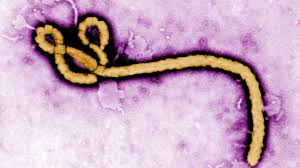
At least 80 persons have died from a fresh Ebola outbreak spreading across three health zones in the Democratic Republic of Congo, including Bunia, Rwampara and Mongbwalu, according to data released by the World Health Organisation on Sunday.
The outbreak, designated the 17th in Congo since the virus was first identified there in 1976, may be significantly larger than current figures suggest. The WHO flagged a high positivity rate among initial samples and a rising volume of suspected cases as indicators that the true scale remains undetermined.
What makes this outbreak particularly alarming is its strain. Unlike previous Congolese outbreaks, which were almost exclusively caused by the Ebola Zaire strain for which approved vaccines and therapeutics exist, this is a Bundibugyo virus strain, for which no approved treatment or vaccine currently exists. The WHO described the situation as “extraordinary.”
The Director General of the Africa Centres for Disease Control and Prevention, Jean Kaseya, disclosed that he had formally requested technical guidance on whether to declare the outbreak a public health emergency of continental security.
Ebola spreads through direct contact with the bodily fluids of infected persons, contaminated materials, or the bodies of those who have died from the disease. Symptoms include fever, body aches, vomiting and diarrhoea. The incubation period ranges from two to 21 days.
In Nigeria, the Centre for Disease Control and Prevention moved swiftly to reassure the public while tightening its monitoring systems. Director General Jide Idris confirmed in a statement on Sunday that the agency had heightened surveillance and was coordinating with the Port Health Services under the Federal Ministry of Health and Social Welfare.
“NCDC is closely monitoring the situation and working with relevant stakeholders, including the Port Health Services, to ensure continued vigilance and preparedness within the public health system,” Idris stated.
He urged Nigerians to remain calm, practice regular hand hygiene, avoid contact with bodily fluids of sick persons, and refrain from handling dead animals or bushmeat from unknown sources.
Healthcare workers were specifically advised to maintain a high index of suspicion for Ebola, particularly in patients presenting compatible symptoms with relevant travel or exposure history, and to adhere strictly to infection prevention protocols.
Nigeria’s measured response draws on hard experience. In 2014, the country successfully contained an Ebola outbreak after an infected traveller arrived in Lagos from Liberia. Through rapid contact tracing and coordinated public health interventions, the outbreak was curtailed within months, earning Nigeria international recognition and prompting lasting investments in disease surveillance infrastructure.