
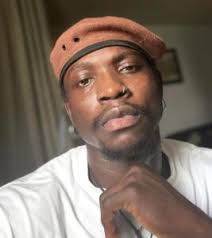
The Presidency has called for legal action against social media influencer Martins Vincent Otse, popularly known as VeryDarkMan (VDM), over the circulation of an alleged doctored audio recording involving President Bola Ahmed Tinubu, escalating an already tense relationship between the Tinubu administration and one of Nigeria’s most influential online personalities.
Special Adviser to the President on Information and Strategy, Bayo Onanuga, issued the call in a post on X on Wednesday, accusing the influencer of disseminating fabricated content targeting the President.
“This VDM needs to face the weight of the law for being the conveyor and disseminator of a fake audio of President Tinubu,” Onanuga wrote. “This is a clear case of an egregious abuse of the social media platform.”
Onanuga’s intervention came in response to a post by an X user identified as Aneex, who had questioned the basis on which some Nigerians believed the voice in the viral recording belonged to President Tinubu. The Special Adviser’s reaction marks the latest in a series of public confrontations between Aso Rock and VDM, whose commentary frequently draws millions of views across Nigerian social media platforms.
In the viral video at the centre of the dispute, VDM relied on the alleged leaked audio to urge Nigerians to withhold their support for President Tinubu’s re-election bid in the 2027 general elections. The influencer’s appeal feeds directly into a broader political conversation that has gathered momentum since opposition coalitions began coalescing around alternative candidates ahead of the next polls.
The Presidency’s demand raises fresh questions about the boundaries of free expression, digital accountability, and the rapidly expanding influence of citizen journalists in Nigeria’s political ecosystem. Under existing Nigerian law, the Cybercrimes (Prohibition, Prevention, etc.) Act of 2015, as amended in 2024, criminalises the deliberate transmission of false information through computer systems where such content is intended to cause harm. Section 24 of the amended Act, which deals with cyberstalking and the dissemination of false messages, has previously been invoked in cases involving online critics of public officials, though the provision has also faced sustained constitutional challenges from press freedom advocates and civil society organisations.
The Socio Economic Rights and Accountability Project (SERAP), the Media Rights Agenda, and other rights groups have repeatedly argued that the law has been weaponised against journalists, bloggers, and ordinary citizens engaging in legitimate criticism of government officials. The ECOWAS Court of Justice, in a 2022 ruling, held that aspects of the Cybercrimes Act were inconsistent with Nigeria’s obligations under regional human rights instruments, a judgment that prompted the 2024 amendments.
VeryDarkMan has previously been a subject of multiple legal actions. He was detained by the Economic and Financial Crimes Commission (EFCC) in May 2025 over allegations linked to financial transactions, an incident that triggered widespread public protests and calls for his release from a cross section of Nigerians, including prominent activists and entertainers.
The authenticity of the contested audio recording has not been independently verified, and forensic analysis would typically be required to establish whether the voice in the clip is genuine, manipulated, or generated through artificial intelligence tools, which have become increasingly sophisticated and accessible in recent years.
Neither VeryDarkMan nor his legal representatives had publicly responded to Onanuga’s call as of the time of filing this report. The Office of the Attorney General of the Federation has also not indicated whether any formal proceedings will be initiated against the influencer.
The unfolding dispute underscores the growing tension between political authority and digital dissent in Nigeria, where social media platforms have emerged as a central battleground for political narratives ahead of the 2027 elections.