
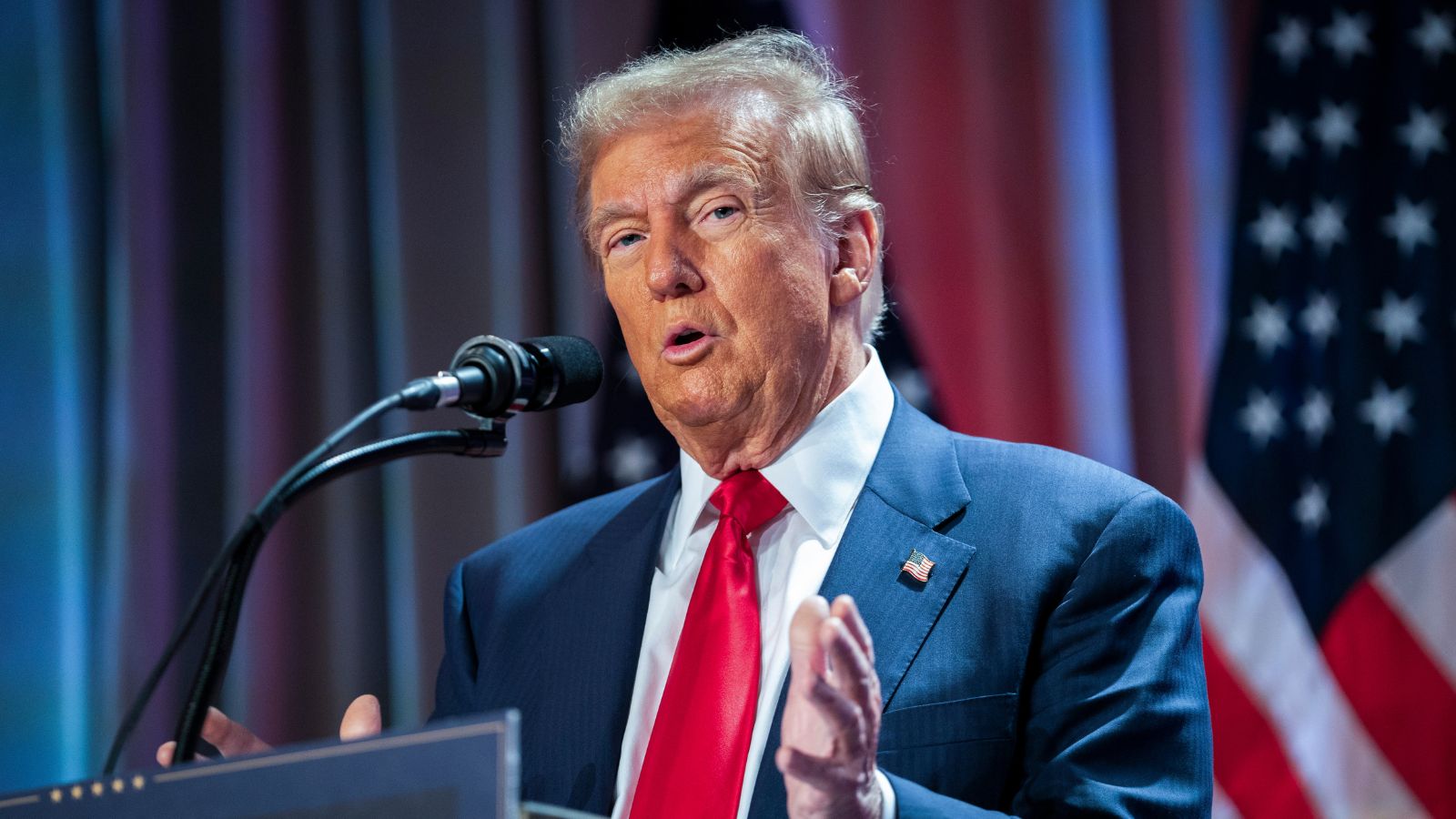
United States President Donald Trump has announced his intention to decouple the conflict in Lebanon from ongoing broader peace negotiations with Iran. Speaking to reporters at the Oval Office, Trump stated that the two conflicts are fundamentally different and should be managed under separate diplomatic tracks. The administration aims to isolate regional proxy skirmishes to prevent them from complicating a major bilateral deal with Tehran. However, this strategy faces immediate resistance from Iranian officials, who insist that a regional settlement must remain linked.
The push to separate the diplomatic tracks occurs as Washington and Tehran close in on a potential breakthrough. Trump indicated that negotiations with Iran are progressing smoothly and could yield a comprehensive deal over the coming weekend. Under the proposed terms, the United States expects to secure and remove Iran’s extensive stockpile of highly enriched uranium. This core demand has long served as the primary sticking point for Western powers seeking to neutralise Tehran’s nuclear capabilities. The White House believes separating the dossiers will prevent local border escalations from scuttling this historic atomic compromise.
The diplomatic maneuvering follows a highly fragile, US-brokered partial ceasefire intended to halt hostilities between Israel and Hezbollah operatives. The arrangement seeks to protect Beirut from devastating Israeli airstrikes while stopping rocket fire into northern Israeli communities. Despite the announcement of a truce, the situation on the ground remains volatile, with both sides reporting immediate localized breaches. Trump described the current state of regional friction as a ceasefire where forces are simply shooting more moderately. The administration is using intermediaries within the Lebanese government to transmit terms directly to Hezbollah leadership.
Tehran is actively resisting the American effort to decouple the twin conflicts to preserve its regional geopolitical leverage. Iranian Foreign Minister Abbas Araghchi declared that the fates of Iran and Lebanon remain structurally linked. Iranian negotiators believe that tying the conflicts together allows them to protect Hezbollah while deflecting Western pressure away from their nuclear program. Tehran has demanded a full withdrawal of Israeli forces from southern Lebanon as a non-negotiable condition for long-term maritime peace. By entangling the issues, Iran hopes to prolong discussions and secure maximum concessions regarding the strategic Strait of Hormuz.
Domestic political pressure in Washington is further complicating the president’s ambitious Middle East diplomatic agenda. The House of Representatives recently passed a war powers resolution aimed at limiting unilateral executive military action against Iran without explicit congressional approval. The legislative rebuke reflects growing war weariness among both Democrats and select isolationist Republicans. Critics argue that prolonged military engagement in the Gulf region exposes American personnel to unnecessary retaliation and drives up domestic fuel prices. The administration must now race to finalize its weekend diplomatic breakthrough before congressional constraints or regional violations dismantle the delicate framework.