
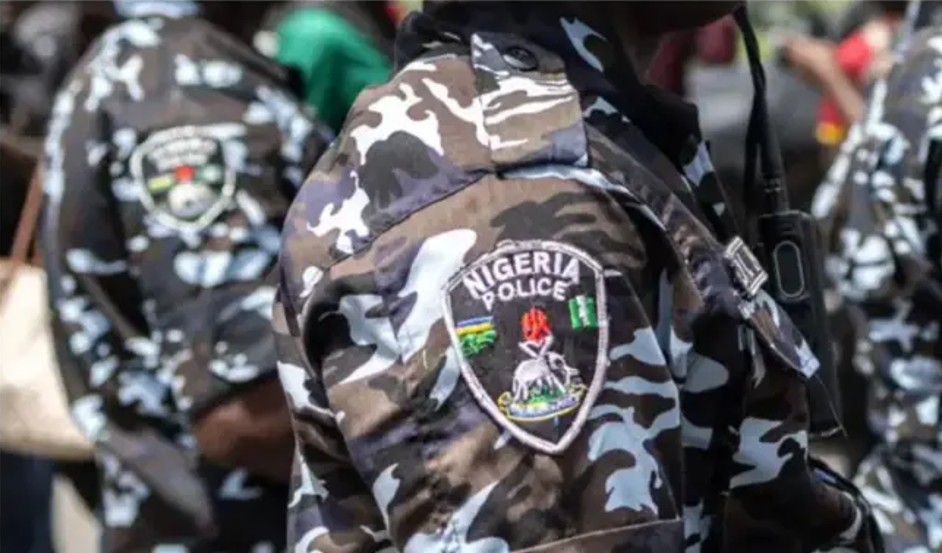
The Oyo State Police Command has unmasked the core operational structure of the urban criminal syndicate behind the violent abduction of former Power Minister Adebayo Adelabu’s relatives. Police public relations officer Ayanlade Olayinka detailed the explicit roles played by four arrested principal suspects and two neutralised gang members on Sunday. Operatives rescued the victims, Olaide Busayo Adegoke and her eleven-year-old twin sons, unharmed after a fierce gun duel at an urban hideout. The initial breakthrough followed the tracking and arrest of Wale Abolalewa, an individual already prominent on the state criminal watchlist. Abolalewa subsequently provided the critical framework that allowed investigators to dismantle the wider cell.
The criminal network operated a highly structured system that relied on intensive local espionage before launching the physical assault. Interrogations revealed that the gang spent weeks taking photographs of the family vehicles, charting school delivery routes, and tracking daily domestic schedules. The syndicate even attempted to recruit an internal household employee named Segun to gain direct access to the residence. When that insider recruitment failed, the cell pivoted to a tactical ambush strategy using an unregistered Toyota Corolla. The suspects used detailed reconnaissance to intercept the mother and children at Elewura Street during their morning school run.
Further arrests exposed how the syndicate pooled criminal talent across state lines to execute the high-profile abduction. Information extracted from Abolalewa led directly to the arrest of Dare Oyedele, whom police described as the primary operational link. Oyedele coordinated the logistics of the assault and managed the movement of weapons within the city limits. Investigators also tracked down an external asset named Kelechi, who travelled from Lagos State to serve as the chief lookout. Kelechi died alongside an unidentified accomplice when tactical teams raided the bungalow where they kept the hostages.
The successful raid yielded a substantial cache of tactical gear and weapons hidden within the residential neighborhood. Police recovered three pump-action rifles, fourteen live cartridges, face masks, a battle axe, and a hammer from the scene. The recovery of these heavy tools suggests the group prepared for extended urban warfare and aggressive physical intimidation. State Commissioner of Police Abimbola Olugbenga expressed deep concern that residents noticed suspicious movements at the compound but failed to notify authorities. The gang routinely drove victims into the heart of Ayegun North without provoking any community alerts.
This rapid, intelligence-led rescue has brought intense public scrutiny regarding how the state prioritises its security resources. While the high-profile political family regained their freedom within seventy-two hours, dozens of rural schoolchildren remain in forest captivity. Bandits in the Oriire local government zone continue to hold teachers and pupils after executing an educator on camera. The presidency issued a sharp public statement defending the police, arguing that urban copycat syndicates require different tactical approaches than deep-forest terrorists. Local labor unions remain unconvinced, demanding uniform state protection for rural schools and elite urban residents alike.
The state command is currently concentrating its efforts on hunting down several wounded gang members who fled through the perimeter fence. Hospitals, local clinics, and traditional bone setters have received strict directives to report any individuals presenting fresh gunshot injuries. Security teams are monitoring major transit points out of Ibadan to prevent the remaining fugitives from escaping into neighboring states. For the Adelabu family, the immediate ordeal is over, but the investigation has exposed a thriving market for targeted urban abductions. The durability of local security depends on turning this breakthrough into a broader campaign against hidden neighborhood cells.