
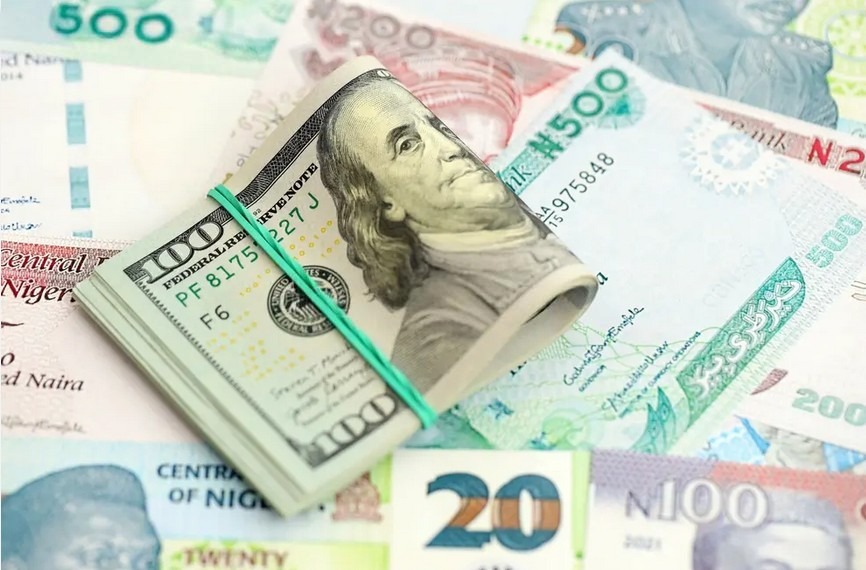
The Nigerian naira opened the second half of the year trading steadily at N1,379.69 against the United States dollar in the official foreign exchange market. Market snapshots throughout the morning show minimal volatility as the local currency defends its current price corridor. The rate briefly touched an intraday high of N1,380.49 before sliding backward to its opening baseline. This calm trading session follows a turbulent second quarter dominated by intense Central Bank interventions. The state continues its aggressive regulatory squeeze to flush out speculative currency hoarders.
Persistent liquidity shortages prevent the local legal tender from making substantial long-term gains. Importers and multinational corporations still face extended waiting queues to clear their foreign obligations. The apex bank relies on periodic cash injections and treasury bill sales to mop up excess domestic cash. This strategy aims to limit the volume of stray naira chasing fewer available greenbacks. High interest rates attract portfolio investors but punish local manufacturers who need affordable credit. The economic management team views currency stability as its absolute top priority.
The parallel market continues to operate at a significant premium despite ongoing crackdowns on digital trading platforms. Bureau de Change operators attribute the stubborn retail spread to structural demand that remains unfulfilled by official bank windows. Every day, citizens seeking foreign education, medical care, and personal travel logistics drive this informal trade. Financial analysts warn that a wide exchange rate gap usually invites lucrative arbitrage schemes. The Securities and Exchange Commission is working with law enforcement to monitor illicit capital flows.
Exogenous global factors heavily influence the immediate fortunes of the Nigerian financial ecosystem. Volatile international crude oil prices directly dictate the volume of foreign currency pouring into national reserves. Recent efforts by the state oil corporation to boost production have offered a mild cushion to the local treasury. However, rising external debt commitments continue to drain these vital sovereign savings. Foreign investors require absolute clarity on capital repatriation rules before committing permanent equity to local projects. The market demands structural economic changes over superficial financial fixes.