
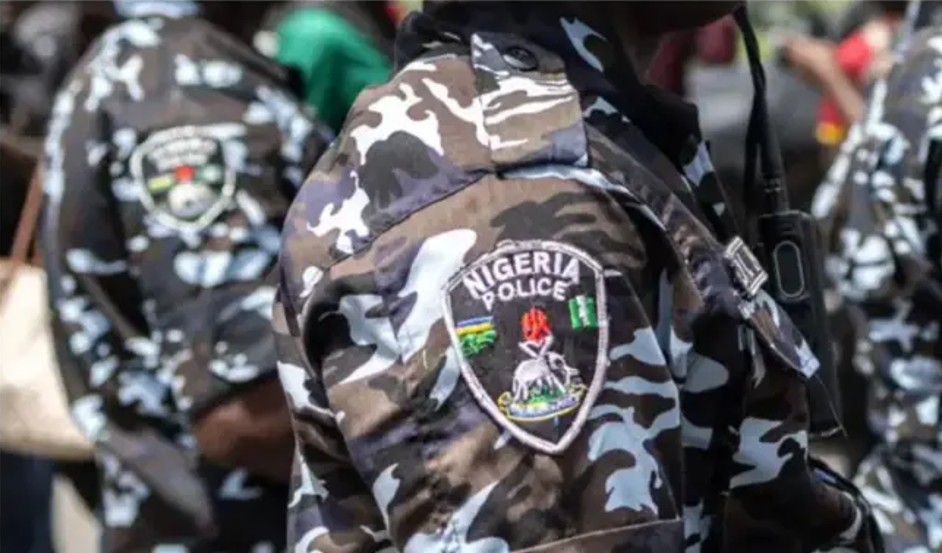
Security agencies deployed 25,310 armed officers across Osun State as sensitive election materials arrived ahead of Saturday’s governorship poll. The Independent National Electoral Commission delivered voting materials directly to Central Bank vaults in Osogbo under heavy military escort. Police authorities sent 15,000 officers, while civil defence corps contributed 10,210 operatives to secure all 30 local government areas. Anti-graft agents also deployed dedicated teams to monitor voting centers and deter illegal cash distribution. The massive show of force reflects deepening official anxiety over potential political violence.
Electoral officers mobilized more than 30,000 youth corps members to handle voting logistics across 2,339,233 registered voters. Recent attacks on voter card collection centers forced election officials to tighten operational security protocols. Armed troops took up positions around state election headquarters alongside armoured personnel carriers. Civil defence commanders drafted additional reinforcements from ten neighbouring state commands to fortify volatile wards. Authorities insist this heavy military presence guarantees voter safety during the high-stakes contest.
The off-cycle election pits 14 political parties against one another in a fiercely contested three-way battle. Incumbent Governor Ademola Adeleke faces stiff challenges from main rival parties across urban centers. Political factions routinely use armed youth groups to intimidate opponents and disrupt polling units. Electoral commission leaders refuse to disclose specific transit routes for voting materials to prevent ambushes. High-volume security deployments have become standard procedure for Nigerian regional elections.
Heavy security deployments often fail to stop systemic vote-buying and voter suppression tactics. Anti-corruption agents plan to monitor cash transfers near polling booths, but enforcing compliance remains difficult. Local observers warn that over-militarisation can scare peaceful citizens away from voting booths. Low voter turnout routinely undermines the perceived legitimacy of resulting electoral victories across the country. Security chiefs promise strict discipline among field officers deployed to election duties.
The election serves as a crucial political barometer ahead of broader national contests. Major political parties view victory in Osun as essential momentum for future electoral alliances. Regional power dynamics usually swing on the outcome of these fiercely contested state polls. Candidates spent the final campaign days trading sharp accusations over public spending and administrative competence. The coming vote will test whether state security arrangements can preserve public order.
Election workers will begin moving non-sensitive supplies to local council hubs on Friday morning. Police officers plan to restrict movement across major transit corridors throughout election day. Commission officials express confidence that accreditation hardware will perform reliably under field conditions. Citizens now wait to see if state security promises translate into a peaceful voting process. The immediate future of Osun governance hangs on Saturday’s vote.