
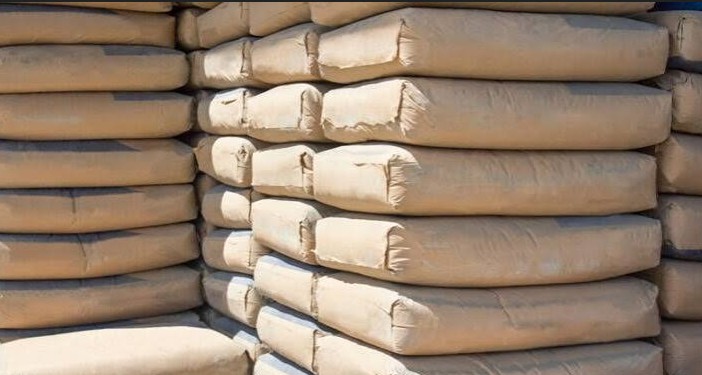
First-half 2026 financial disclosures across Nigeria’s industrial landscape revealed a monumental milestone: Dangote Cement, BUA Cement, and the newly Chinese-acquired HBM Nigeria generated a combined revenue of N3.92 trillion. This massive earnings surge reflects a significant realignment in the nation’s building sector. For years, the domestic cement market operated as a tight, domestic duopoly dominated by Dangote and BUA, alongside established international players. However, the aggressive entry of Chinese equity into HBM Nigeria, bringing capital injections, optimised technology, and expanded grinding capacity, has reshaped the market dynamics across the construction ecosystem.
Yet, as revenues for the big three hit record highs, the ground reality for developers and citizens presents a profound paradox. The cost of a 50kg bag of cement remains high across major cities, driving the cost of residential construction, civil works, and public infrastructure to historic levels. While executive boardrooms celebrate swelling top-line growth, the broader economy faces a critical question: Does this fresh influx of Chinese capital and the emergence of a reconfigured triopoly herald a new era of genuine price competition, or does it simply entrench a more sophisticated oligopoly that puts affordable housing further out of reach?
Price Disruption or Tacit Collusion: The Realities of Chinese Capital Entry
The acquisition and capitalisation of HBM Nigeria by Chinese industrial investors were initially hailed as the long-awaited catalyst for price disruption in Nigeria’s cement market. Historically, high capital entry barriers, capital-intensive plant setups, and restricted access to limestone mining concessions shielded incumbent producers from aggressive price wars. Chinese equity was expected to break this pattern by leveraging cheaper capital, advanced energy-efficient kiln technology, and aggressive supply-chain management to undercut prevailing market prices and force a competitive realignment.
Instead, early market behaviors suggest that structural realities are tempering aggressive price undercutting. While HBM Nigeria has expanded its distribution networks into strategic inland markets, the overarching cost parameters of manufacturing cement in Nigeria limit drastic price cuts. Energy costs, primarily imported coal, heavy fuel oil, and foreign-currency-denominated natural gas, account for over forty percent of total cement production expenses. Combined with high freight transport logistics over deteriorating road networks, new market entrants face the same operational headwinds as established producers.
Consequently, rather than triggering a margin-eroding price war, market dynamics risk settling into a tacit oligopoly pricing equilibrium. In high-barrier, capital-intensive industries, rational market players often recognise that price wars harm all producers while benefiting only the consumer. HBM Nigeria, despite its foreign capital backing, has a commercial interest in protecting operating margins to recoup its initial acquisition and expansion investments. Rather than engaging in broad price reductions, the emerging triopoly appears inclined to match price adjustments, competing primarily on dealer credit terms, regional availability, and targeted bulk-buyer rebates while keeping retail prices elevated.
The Housing Deficit Crunch: Developers, Inflation, and Project Abandonment
The consequences of this elevated pricing environment fall squarely on Nigeria’s real estate developers, civil contractors, and low-income households. Cement constitutes the foundational input for urban construction, accounting for a disproportionate share of total structure costs in block-moulding, foundation pouring, and concrete framing. With combined revenue among the top three manufacturers expanding to N3.92 trillion, the cost burden transferred to the housing sector has become unsustainable.
Small-to-medium real estate developers, operating on thin margins and relying on expensive short-term commercial loans, face severe financial pressure. As building material prices escalate, initial project budgets become obsolete mid-construction. Developers are forced into difficult choices: pass price increases onto home buyers, reduce structural specifications, or halt construction altogether. Across major commercial corridors in Lagos, Abuja, and Port Harcourt, unfinished residential structures stand as a testament to project abandonment driven by material price inflation.
This dynamic further deepens Nigeria’s affordable housing crisis. Federal and state social housing schemes, designed around strict price-per-unit caps, find it nearly impossible to deliver low-cost housing units to the market. When the cost of basic building materials rises, “affordable” housing units are priced out of reach for average wage earners, transforming social housing initiatives into high-end developments accessible only to affluent buyers. Furthermore, public infrastructure delivery, ranging from concrete-paved rural feeder roads to drainage networks, suffers severe delays as state governments struggle with budget overruns caused by revised procurement costs for cement and concrete products.
Strategic Policy Levers: Balancing Backwards Integration with Market Accessibility
Bridging the gap between corporate profitability and public affordability requires the federal government and industrial regulators to rethink Nigeria’s cement policy framework. For over two decades, the National Cement Policy relied on strong backward integration mandates, offering tax holidays and import protections to companies that invested in local limestone mining and clinker production. While this strategy successfully turned Nigeria from a major cement importer into a net exporter, it concentrated production capacity in the hands of a few dominant corporate groups.
To foster genuine market entry and price transparency without dismantling local manufacturing capacity, policymakers must deploy targeted structural levers:
- Open-Access Logistics & Distribution Infrastructure: The Ministry of Transportation must prioritise rail-connected freight corridors linking limestone-rich rural zones directly to urban consumption centres. Removing heavy diesel road haulage from the logistics equation significantly reduces the delivered cost per bag of cement.
- Unbundling Clinker Production from Grinding Terminals: Regulatory frameworks should allow independent grinding stations to import or purchase locally produced clinker on non-discriminatory, open-access terms. Separating raw limestone processing from final cement grinding lowers entry capital requirements, enabling smaller domestic firms to compete regionally.
- Targeted Gas Pricing Frameworks: The Nigerian Midstream and Downstream Petroleum Regulatory Authority (NMDPRA) should establish domestic gas pricing mechanisms for manufacturing plants that link gas tariffs to local currency rates rather than foreign benchmarks, stabilising energy input costs for all producers.
Furthermore, the government must incentivise research and commercial adoption of local alternative cementitious materials, such as pozzolana and calcined clay. Encouraging the commercial use of alternative binders lowers reliance on pure limestone clinker, reduces manufacturing carbon footprints, and provides cheaper raw material alternatives for local builders.
From Earnings Realignment to Sectoral Development
The N3.92 trillion revenue generated by Dangote, BUA, and HBM Nigeria in the first half of 2026 demonstrates the scale and profitability of Nigeria’s cement sector. Foreign capital inflows, such as Chinese investment in HBM Nigeria, highlight the country’s long-term industrial potential and the resilience of its real-estate demand. However, industrial capacity must align with broader socio-economic goals. A cement industry that generates record revenues for a small triopoly while making basic shelter unaffordable for millions of citizens risks undermining the nation’s long-term economic stability. The federal government must transition from basic import-substitution protections to an active regulatory model that prevents tacit oligopoly pricing, enforces fair market access, and supports infrastructure development. Only by addressing energy bottlenecks, logistics costs, and entry barriers can Nigeria convert its immense refining and manufacturing capacity into affordable housing and modern infrastructure for all its citizens.