
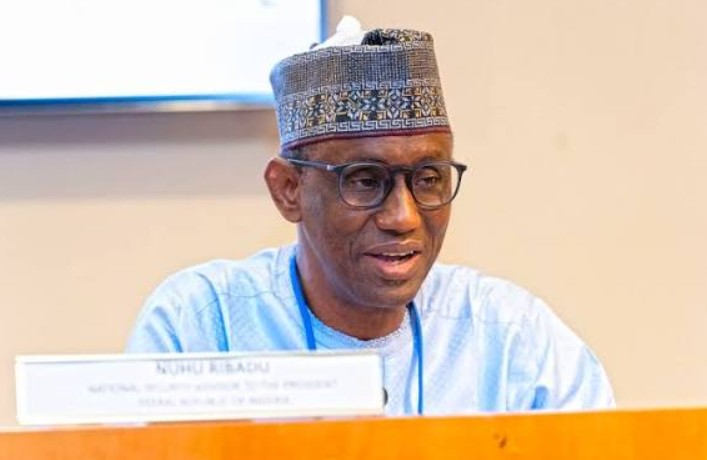
Nigerian officials sat down in Washington this week to seek deeper security ties with American diplomats. National Security Adviser Nuhu Ribadu led a heavy team including ministers for defence, interior, and foreign affairs. Washington initiated these talks after reclassifying Nigeria as a country of particular concern regarding religious freedom. President Donald Trump pushed that designation to demand clear progress on fundamental human rights. Abuja wants fresh military support to crush persistent insurgencies. The Americans prefer to talk about civilian safety first.
Security assistance rarely flows without economic trust between allies. The State Department released a bruising fiscal report right as talks began. American auditors found that Nigeria still hides crucial details in its national budget. Enacted spending bills fail to break down actual operational costs for executive offices. Actual revenues rarely match what lawmakers write into law. Opaque spending makes foreign partners cautious about funding joint military ventures.
Public procurement remains another major blind spot for foreign observers. Government agencies keep most state contracts locked away from public scrutiny. The report also criticized Nigeria’s supreme audit office for lacking independence. Federal auditors fail to publish clear, independent reviews of executed budgets. Washington views weak auditing as an invitation for systemic graft. Security funds often disappear into these bureaucratic black holes.
American officials acknowledged a few rare bright spots in federal accounting. Nigeria publishes solid records on national debt and state-owned corporate liabilities. The country also manages its sovereign wealth fund under clear legal rules. Natural resource extraction licences now follow published regulatory guidelines. These few wins show that civil servants can deliver openness when pressured. Institutional reform stays spotty without total political backing.
Joint working groups can only cover up deep policy gaps for so long. Bilateral defence meetings require mutual faith in state institutions. American lawmakers link arms sales directly to fiscal transparency and human rights. Nigerian ministers must convince Washington that state funds reach the front lines. Money leaks weaken battlefront hardware and soldier morale alike. Empty promises will not buy heavy military gear.
Abuja needs to reform its budget process to win back foreign trust. Publishing full executive budget proposals online would offer an easy first step. Independent auditors must oversee every major defence purchase. Real security grows out of fiscal accountability and sound governance. Military force alone cannot fix structural state failure. The clock is ticking for Nigerian diplomats in Washington.