
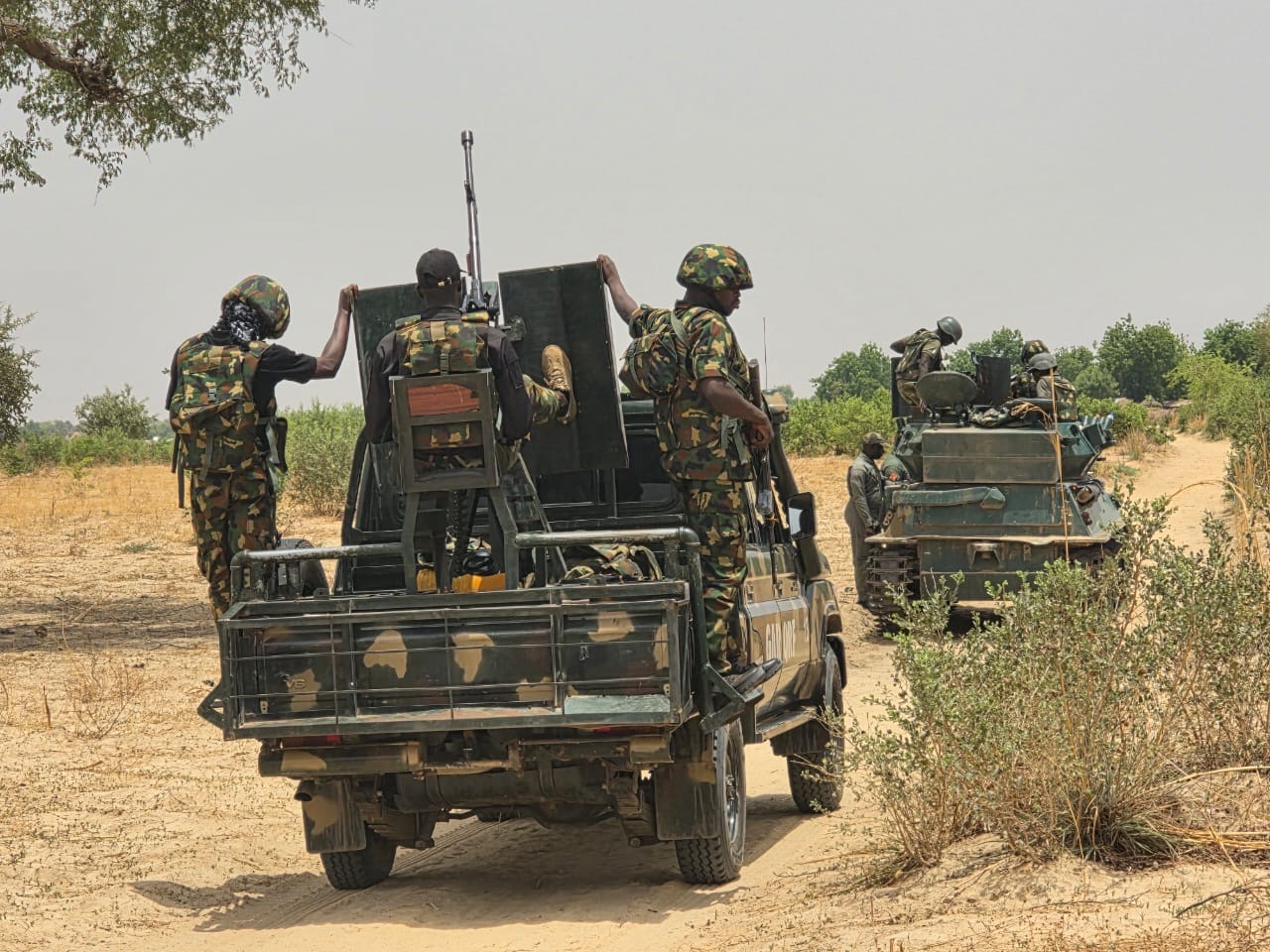
Nigerian troops have blocked a large-scale kidnapping raid across rural communities in Zamfara State. Soldiers attached to the joint military task force intercepted heavily armed bandits before the attackers could herd scores of villagers into the forest. Frontline units engaged the gang in a sustained gun battle, forcing the assailants to abandon their hostages and flee. The intervention spared dozens of farming families from weeks of traumatic captivity in jungle hideouts. Quick intelligence and rapid deployment saved lives. Deterrence worked where deterrence usually fails.
The foiled raid underscores the relentless commercial logic that drives north-western banditry. Criminal syndicates treat rural farming settlements as open cash registers for extortion and ransoms. Bandits launch night raids specifically to snatch large groups of villagers during peak planting seasons. These mass seizures allow criminal bosses to demand millions of naira from impoverished rural families. Kidnapping has become a ruthless rural industry. Poverty and lawlessness keep feeding the trade.
Military commanders have reorganised tactical operations in the region under Operation Fansan Yamma. Sector units now deploy aggressive mobile patrols to plug vast security gaps between isolated villages. Troops increasingly rely on local hunters and village scouts to pinpoint gang movements through dense bush paths. Without accurate ground tips, conventional soldiers cannot track mobile motorcycle convoys across arid scrublands. Community cooperation gives the army an operational edge. Local intelligence remains the ultimate force multiplier.
Yet tactical victories on the ground rarely eliminate the deeper roots of regional lawlessness. Vast forest reserves spanning Zamfara, Katsina, and Kaduna remain ungoverned spaces where armed gangs maintain fortified camps. Bandits retreat into these dense woodland havens whenever military pressure intensifies along major motorways. The state lacks the air surveillance and troop numbers to hold every remote square kilometre. Clearing a forest does not mean holding it. Criminal networks simply shift to softer targets.
The ongoing insecurity continues to cripple the rural economy across the north-west. Terrified farmers abandon fertile fields to escape violent midnight raids and compulsory harvesting levies. Displaced villagers flood into semi-urban settlements, swelling local relief camps and straining municipal food supplies. Grain output drops steadily across the region as insecurity shuts down rural farm markets. Food inflation climbs when farmers cannot work. Insecurity exacts a heavy price on dinner tables.
Abuja cannot rely solely on infantry sweeps to secure the rural north. State governments must combine military operations with aggressive investments in rural roads, basic schools, and youth employment. Security chiefs must also dismantle the shadowy financial networks and arms dealers who supply automatic rifles to woodland cartels. Choking off ammunition supplies will paralyse bandit cells far faster than occasional skirmishes. Peace demands systematic administrative work beyond the gun. The state must reassert its complete authority.