
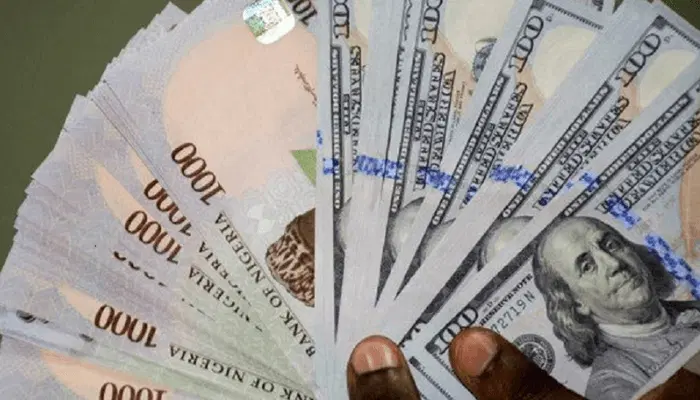
The naira extended its steady advance on the official foreign exchange market on Monday, 7 September 2026, trading near N1,321 to the American greenback as aggressive central bank mopping operations continued to starve currency speculators of local cash. Official transaction data from the Nigerian Foreign Exchange Market shows the local unit firmed from N1,332 recorded at the start of the month, building on weeks of gradual appreciation. In the unofficial street trade, bureau de change operators quoted greenbacks between N1,400 for purchases and N1,410 for retail sales. The resulting gap between official settlement desks and street trades narrowed to roughly N88, reflecting the tightest market alignment seen in over two years. That convergence brings considerable cheer to the monetary policy committee in Abuja. Yet the real price of this exchange rate stability falls squarely on domestic commerce. Expensive credit keeps the currency strong. Commercial bank customers find money hard to borrow.
The currency rally stems directly from the Central Bank of Nigeria’s decision to tighten money supply through massive open market operations. Central bank governor Olayemi Cardoso pulled nearly N2.9 trillion from commercial bank vaults last week alone to halt speculative currency hoarding. That aggressive cash drain pushed the interbank overnight lending rate to 22.20 per cent, leaving commercial lenders with very little loose cash to bet against the home currency. Commercial institutions now hoard liquid reserves simply to meet strict regulatory cash ratios. Foreign exchange trading desks in Lagos report that commercial buyers must present verified import documentation before securing dollar allocations. Speculative currency round-tripping has become far too expensive to finance with borrowed funds. High overnight borrowing rates act like cold water on currency trading desks. Liquidity drainage delivers rapid results.
Surging foreign currency buffers have provided the monetary authority with extra firepower to defend the local currency against sudden shocks. The country’s external reserves crossed $54.08 billion last week, hitting their highest level since December 2008. A sustained rise in official diaspora remittances helped feed those national reserves, with formal monthly inflows through licensed money transfer operators approaching the $1 billion mark. By letting international remittance companies match official market prices, the apex bank diverted hard currency away from informal street syndicates straight into regulated banking channels. The steady accretion of foreign cash reassures foreign portfolio investors that they can repatriate dividends without facing administrative delays. Offshore fund managers view these rising reserves as proof that the central bank can honour external debt obligations. Strong foreign reserves give central bankers immense confidence. Vaults filled with hard cash deter currency raiders.
Yet this exchange rate stability conceals serious damage across domestic industrial estates. To defend the naira and combat persistent inflation, the central bank maintains its monetary policy benchmark at 26.50 per cent. Commercial lenders routinely demand interest rates above 35 per cent before advancing working capital to local factories. The Manufacturers Association of Nigeria warned on Friday that real industrial output contracted sharply in the second quarter under the weight of expensive credit. Factory owners cannot borrow at such extortionate rates to buy raw materials or replace broken machine components. Tier-one banks prefer to lend to the government through high-yielding treasury bills rather than risk funds on private manufacturing firms. The monetary authorities protect the external value of the naira while industrial assembly lines slowly rust away. Tight monetary policy starves the real economy.
Lower spending on imported petroleum products has also helped ease commercial dollar demand across domestic trading windows. With domestic refining facilities supplying petrol, diesel, and aviation kerosene to local markets, state outlays on foreign fuel imports have fallen significantly. The Securities and Exchange Commission approved a N2.15 trillion public share offering for the Dangote refinery, underscoring the shift toward domestic energy self-sufficiency. Retaining petrodollars within the domestic financial system removes a persistent structural drag that previously depleted foreign exchange reserves. Importers of food and industrial supplies now face less competition for dollar liquidity at commercial desks. Yet retail fuel prices across domestic petrol stations remain stubbornly high, squeezing household disposable income. Relieving the national balance of payments has not brought immediate financial relief to ordinary consumers. Domestic refining cures foreign currency bleeding. Filling station pumps still drain household pockets.
The informal parallel market continues to handle retail demand that formal banking desks refuse to touch. Small cross-border traders, medical tourists, and overseas students still rely on informal street desks to buy greenbacks without filling cumbersome regulatory forms. High documentation thresholds at commercial branches push ordinary citizens toward black-market operators who charge higher rates for immediate cash. While the N88 premium between official windows and street traders represents a marked improvement over past discrepancies, it still provides an incentive for small-scale arbitrage. Street dealers in Lagos and Abuja report thin retail trading volumes as domestic shoppers preserve scarce cash for basic food and transport needs. High domestic prices keep retail consumers away from luxury foreign goods. Everyday citizens buy fewer dollars because their daily living costs have doubled. Poverty acts as an unintentional curb on foreign currency demand.
The central bank faces a difficult balancing act as it prepares for its autumn monetary policy review. Draining trillions of naira every month costs the government billions in interest payments on open market debt paper. The state pays private lenders high returns simply to keep commercial cash idle and away from the currency market. Cardoso cannot run an emergency monetary squeeze indefinitely without triggering widespread corporate bankruptcies and mounting job losses. Lower borrowing costs remain essential if domestic agricultural processors and manufacturers are to expand output and bring down persistent food inflation. True currency strength requires vibrant factory exports rather than artificial liquidity shortages. A country cannot build lasting wealth on speculative foreign carry-trade inflows alone. Sustainable stability requires working factories. The central bank must eventually let the credit flow.