
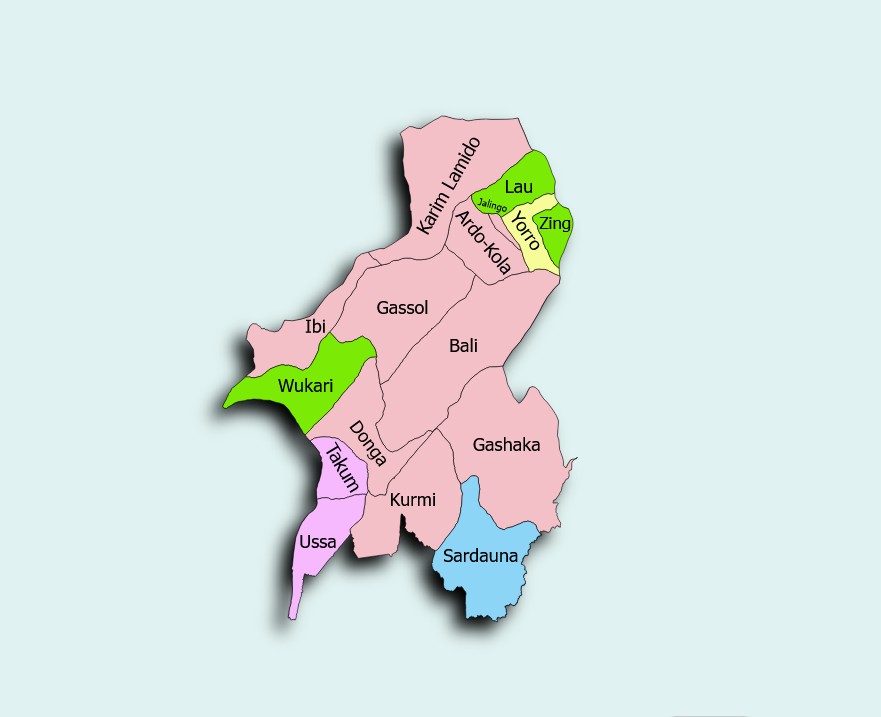
A fresh wave of communal bloodshed on the Mambilla Plateau has claimed at least seven lives, leaving 186 livestock slaughtered and over 340 homes in ashes across the Geroji settlements of Mbamnga ward in Taraba State. The confrontation pits agrarian Mambilla residents directly against nomadic Fulani pastoralists in Sardauna Local Government Area, an upland territory historically plagued by bitter disputes over grazing reserves and ancestral soil. Deadly land feuds burn cold highlands.
Police Commissioner Edwin Ogbeghagha visited the charred ruins alongside military brigade commanders to calm frightened villagers and coordinate a joint army and police intervention. Inspector-General of Police Olatunji Rilwan Disu dispatched an aerial surveillance helicopter to patrol the frontier hills, while the Taraba State Emergency Management Agency rushed emergency food and canvas tents to displaced survivors. Tactical aircraft provide temporary comfort.
The immediate trigger for the arson in Mbamnga remains murky, yet the wider structural dispute stems from porous borders with Cameroon and the complete absence of rural state policing. Hundreds of fleeing families crossed the international border into makeshift settlements inside Cameroon, seeking protection that their own federal government failed to guarantee. Displaced citizens seek refuge abroad.
Alhaji Abubakar Saleh, the traditional ruler of Mbamnga, publicly pleaded for reconciliation among weeping neighbours who had lived peaceably on the plateau for generations. Yet pious appeals from palace councils routinely fail to heal divisions when previous massacres in 2017 and 2018 produced neither criminal convictions nor lasting land demarcation. Neglected justice breeds endless vendettas.
Military detachments deployed from distant barracks can damp down immediate gunfire, but soldiers will never resolve the demographic and environmental pressures tearing agrarian Nigeria apart. State planners must establish clear property titles, professional community arbiters, and permanent civil policing instead of relying on post-facto security patrols to count smouldering corpses. Lasting peace demands institutional resolve.