
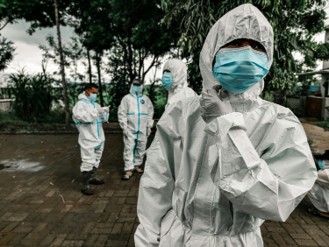
Health authorities isolated two suspected Ebola patients in North-East Nigeria on 31 October 2026, triggering fresh surveillance protocols across regional transit routes. The Nigeria Centre for Disease Control and Prevention confirmed that field officers moved both individuals into designated isolation units while reference laboratories ran diagnostic blood tests. The new alerts arrive eleven days after federal officials confirmed an imported case of the rare Bundibugyo Ebola strain inside the Federal Capital Territory. Panic spreads quickly.
Public health teams have expanded contact tracing operations across multiple northern states to intercept potential transmission chains early. Epidemiologists are actively monitoring sixty-two primary contacts linked to the original index patient, a foreign traveller who arrived in Abuja from Uganda. Federal officials previously evacuated that initial patient to Switzerland following diplomatic requests, leaving local health authorities to track domestic exposure risks. Laboratory technicians insist that preliminary classification as a suspected case does not equal positive viral confirmation.
The current health scare stems from a broader regional outbreak of the Bundibugyo ebolavirus strain first detected in Central Africa earlier this year. Unlike classic hemorrhagic fever strains, this variant presents with sudden high fevers, severe muscle aches, and gastrointestinal distress before internal bleeding occurs. The federal government recently sanctioned a ₦45.8 billion biosecurity framework across five international airports to screen incoming passengers for emerging viral threats. Port health officers now examine incoming flights and passenger manifests with heightened scrutiny to prevent undetected border entries.
Federal officials pay isolated primary contacts a weekly stipend of ₦100,000 to enforce strict compliance with domestic quarantine orders. Public health experts view cash incentives as a pragmatic tool to stop exposed individuals from fleeing into crowded informal settlements. Yet rural health facilities across the North-East lack adequate personal protective equipment and specialised isolation wards to manage sudden patient surges. Community health workers face high exposure risks if diagnostic confirmation lags behind patient admissions.
Epidemic preparedness requires transparent communication rather than public relations spin from federal ministries. Disease control agency Director-General Jide Idris urged citizens to practice basic hand hygiene and report unexplained fevers to public health hotlines immediately. Health authorities must ensure rapid laboratory turnaround times to avoid paralysing local economies with unverified disease rumours. State governments across the North-East must deploy medical supplies to border towns before diagnostic reports return from central laboratories.
Containing viral outbreaks demands relentless field execution rather than reactive press conferences in Abuja. Public trust erodes quickly when health authorities hide behind technical jargon while rural clinics operate without basic gloves and sanitisers. Nigeria successfully defeated Ebola in 2014 through aggressive contact tracing and strict quarantine enforcement. Replicating that historical success requires total transparency, fast laboratory diagnostics, and unyielding discipline across every tier of the public health system.