
The Democratic Republic of Congo is enduring the worst Ebola epidemic in its history as confirmed infections crossed the 7,000 mark. Official data released late on Friday by the Congolese health ministry placed total recorded infections at 7,022, with the national death toll climbing to 3,398. That puts the case fatality rate at a harrowing 48.4 per cent, leaving doctors to fight a pathogen that kills roughly half its victims. This seventeenth recorded outbreak has surpassed the country’s devastating 2018 to 2020 epidemic in both speed and overall lethality. Only the historic 2014 West African outbreak, which claimed over 11,000 lives across Guinea, Liberia, and Sierra Leone, has recorded a larger toll. The geographical reach of the infection now covers 62 health zones across seven provinces. Containment efforts are faltering as the virus breaches new provincial frontiers. Pathogens care nothing for administrative borders.
The crisis began in mid-May when doctors identified the first cluster of cases in northeastern Ituri province after weeks of silent transmission. The illness swiftly escaped local containment, moving through remote forest settlements where central state authority is virtually absent. Decades of factional fighting among rival militias have wrecked provincial transport links and left rural clinics without basic sterile equipment. Health workers frequently run into armed checkpoints when hauling testing equipment and protective suits between forest settlements. The latest epidemiological update confirmed that the disease reached South Ubangi, a remote northwestern province bordering the Central African Republic and the Republic of Congo. The index case in South Ubangi was a 23-year-old man who journeyed across the country from South Kivu before dying on Tuesday. The porous border now threatens to export the contagion into neighbouring Central African states. Cross-country travel continues to outpace sanitary cordons.
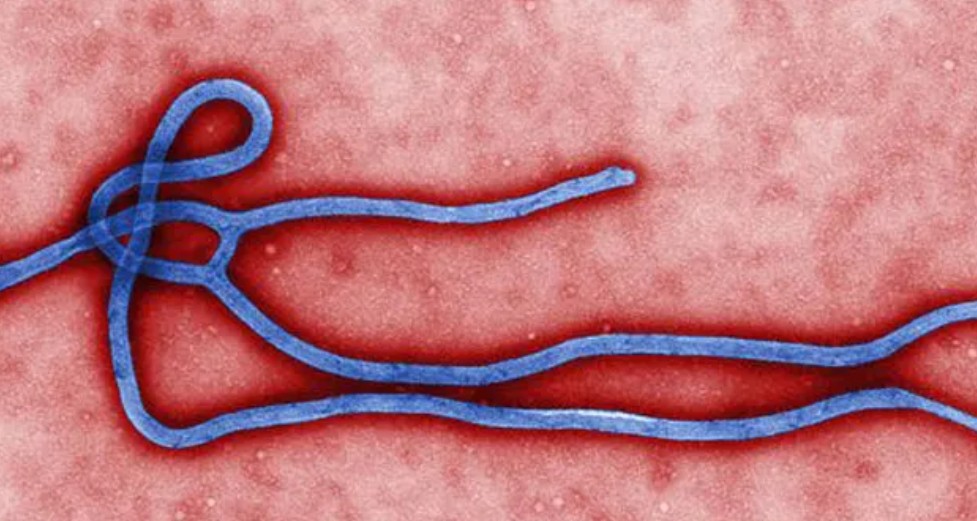
A major medical complication lies in the specific viral variant driving this outbreak. Genetic sequencing confirmed that the Bundibugyo strain of the Ebola virus is responsible for the current wave of illness. Unlike the more common Zaire strain, which medical teams countered with approved vaccines and monoclonal antibody therapies in earlier outbreaks, the Bundibugyo species has no approved commercial vaccine. The existing Merck and Johnson & Johnson jabs offer no proven protection against this particular lineage. Clinicians must rely almost entirely on aggressive rehydration therapies, broad-spectrum antibiotics, and supportive critical care. Experimental vaccines and therapies are currently undergoing hurried field trials, but broad deployment remains months away. A pathogen that lacks an approved prophylactic demands massive contact tracing, which is nearly impossible in active war zones. Medicine remains one step behind the pathogen.
The return of school pupils following the summer holiday break has injected fresh panic into urban centres. Health officials in Bunia, the provincial capital of Ituri, identified multiple positive cases among schoolchildren during the opening week of classes. Terrified parents gathered outside campus gates, threatening to keep children at home until municipal teams conduct comprehensive screenings. Bunia school administrator Roger Mungimbo announced strict emergency measures, capping classroom occupancy at 30 pupils and setting up mandatory soap-and-water washing stations at school entrances. Teachers now instruct pupils to avoid handshakes, hugs, and physical games during outdoor recess periods. The virus transmits through direct contact with infected blood, sweat, vomit, and other bodily fluids, turning crowded desks into potential transmission zones. Enforcing strict physical distancing among young pupils remains an exhausting, imperfect task. The classroom has become the newest front line.
International aid agencies and humanitarian organisations are struggling to mount an effective counter-offensive. The World Health Organisation warned this week that acute shortages of trained epidemiological personnel, field partners, and emergency funding are strangling the response. The global health agency estimated that the Congolese government needs at least 5,000 additional specialised health workers to trace contacts and staff rural isolation centres. Donor fatigue in Western capitals has severely reduced cash flows to central African emergency funds, forcing charities to ration field logistics. Medical charities like Médecins Sans Frontières have set up regional training camps in Kenya to drill emergency workers in personal protective protocols before sending them to the interior. Even when trained staff arrive, they encounter deep-seated community mistrust fuelled by decades of state neglect. Health workers cannot conquer a medical crisis without money and trust.
Local cultural practices and deep public suspicion continue to complicate disease surveillance in rural villages. Many families hide sick relatives inside home compounds rather than send them to government isolation tents, fearing that hospitalisation guarantees death. Traditional burial rituals that involve washing and embracing deceased relatives remain a primary engine of superspreading events in remote communities. Grieving villagers sometimes view outside medical teams in full-body plastic suits as harbingers of misfortune rather than life-savers. Rumours and deliberate disinformation spread through market towns far faster than official hygiene bulletins. Local health teams must spend precious days negotiating entry into suspicious villages before they can test suspected patients. Medical interventions stumble whenever health authorities fail to convince local village elders. Public health requires community consent.
The economic fallout of the epidemic is paralysing local commerce throughout the northeastern provinces. Markets along key transit routes between Ituri, North Kivu, and South Ubangi have closed or operate under severe trade restrictions. Cross-border barter trade with Uganda and South Sudan has slowed to a crawl as regional border guards turn away travellers displaying mild fevers. Peasant farmers in fertile agricultural belts avoid community harvest gatherings, leaving food crops to rot in untended fields. Food prices in major provincial towns have climbed steeply as transport lorries avoid designated high-risk health zones. The epidemic adds a heavy economic penalty to communities that have already suffered decades of armed plunder and displacement. Poverty and pestilence continue to feed on each other across the interior.
The Congolese government and its international partners face a closing window to avert an unmanageable continental disaster. The central health ministry in Kinshasa must speed up the release of emergency contingency funds to pay the salaries of front-line nurses and burial squads. Regional neighbours must establish coordinated screening posts along shared riverbanks and forest tracks to monitor cross-border traffic without strangling legitimate trade. Global research bodies need to accelerate regulatory approvals for candidate Bundibugyo vaccines so field workers can begin ring vaccination trials in affected districts. Containing a deadly pathogen in an unstable territory demands exceptional administrative competence and military discipline. If the state cannot halt the transmission chain in South Ubangi, the epidemic will spread beyond national borders. The cost of bureaucratic delay will be measured in thousands of fresh graves.