
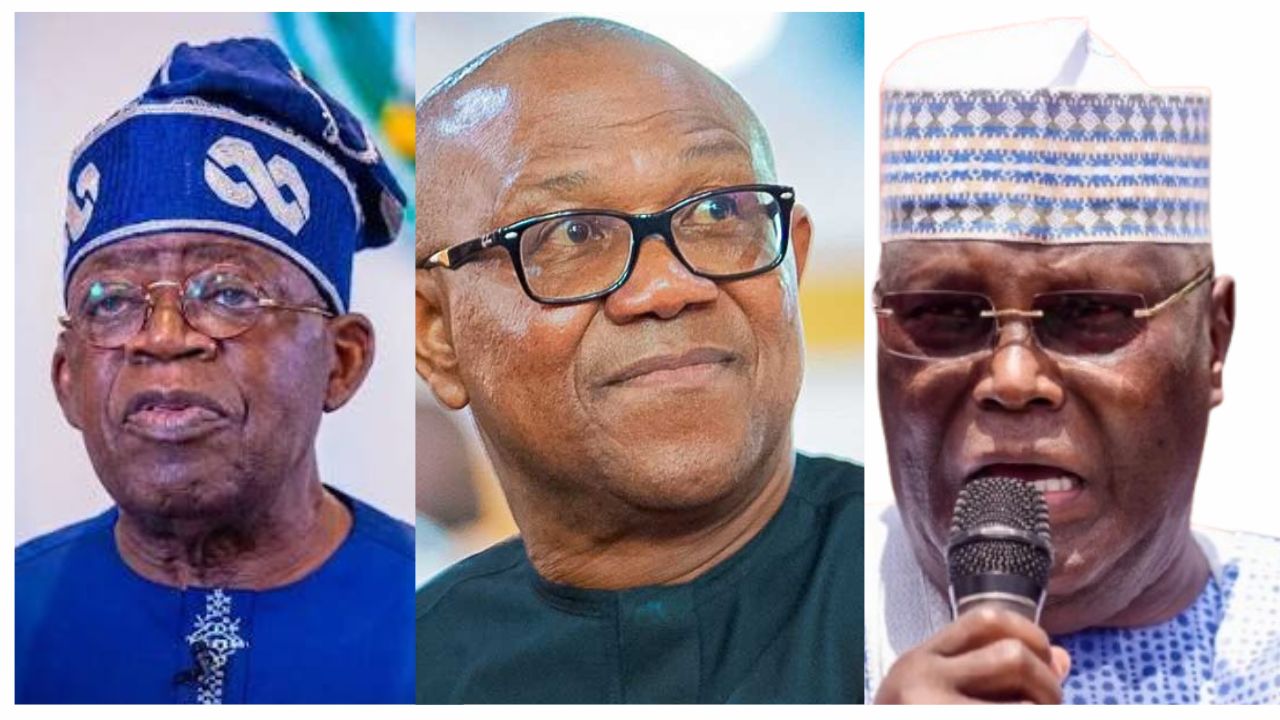
Nigeria’s electoral umpire published the final roster for the 2027 presidential election on Saturday, setting the stage for another round of political combat among familiar titans. The Independent National Electoral Commission displayed the roll at its Federal Capital Territory office in Abuja, confirming candidates from eighteen political parties. Commission secretary Rose Oriaran-Anthony signed the document, which formalises a fractured field of familiar faces and makeshift alliances. President Bola Tinubu, 74, seeks a second term on the ticket of the All Progressives Congress alongside Vice-President Kashim Shettima. Former vice-president Atiku Abubakar, 79, enters the fray on the platform of the African Democratic Congress with former Rivers State governor Rotimi Amaechi as his running mate. Former Anambra State governor Peter Obi, 65, pairs with former Kano State governor Rabiu Kwankwaso under the banner of the Nigeria Democratic Congress. Oyo State Governor Seyi Makinde completes the list of heavyweight challengers, running with Musa Lawal Daura on the ticket of the Allied Peoples Movement. Familiar names dominate the stage. Real change remains elusive on Nigerian ballots.
The published list confirms the absolute failure of Nigeria’s opposition to forge a unified front against the ruling machine. Months of backroom chatter regarding a grand coalition ended in the usual scramble for party flags. Opposition figures preach solidarity in public while guarding their personal ambitions behind closed doors. Atiku, running for the presidency across four different decades, abandoned his former home in the Peoples Democratic Party to seize the African Democratic Congress ticket. His choice of Amaechi unites two political operators with substantial campaign war chests and deep grudges against the ruling party. Yet that partnership faces an uphill struggle to project a national footprint beyond regional enclaves. Nigeria’s opposition operates like rival trading houses rather than a cohesive governing alternative. Their fragmentation remains the incumbent’s greatest electoral asset.
Peter Obi’s strategic pairing with Rabiu Kwankwaso on the Nigeria Democratic Congress ticket marks a desperate bid to marry northern masses with southern enthusiasm. In 2023, both men ran separate campaigns that split the non-establishment vote and cleared Tinubu’s narrow path to the villa. Kwankwaso brings a devoted following across the urban sprawl of Kano through his red-capped political machine. Obi retains immense loyalty among young voters and urban professionals weary of economic decline. The combination looks tidy on paper, but combining regional voting blocs across cultural lines demands formidable grassroots spending. Obi built his brand by condemning money politics and lavish campaign budgets. He must now confront a ruling party that controls state treasuries and vast patronage networks. Enthusiasm rarely defeats organised political finance on election day.
The presence of Seyi Makinde on the ballot delivers the final blow to the once-mighty Peoples Democratic Party. The Oyo governor broke away from his traditional home to mount an independent bid on the platform of the Allied Peoples Movement. Makinde’s gambit reflects the bitter regional rivalries that tore the former ruling party into unviable remnants. The official PDP ticket fields Sandy Ojang Onor with Umaru Babangida, a pairing that commands little national recognition or momentum. Meanwhile, the Labour Party, which carried Obi to third place three years ago, features Sunday Chibuzo Okereke alongside Hajja Bintu Konto. By scattering into three distinct vehicles, the forces that opposed Tinubu in 2023 have guaranteed their own irrelevance. Governors protect their state fiefdoms while national power slips away. Divided armies do not conquer entrenched capitals.
Tinubu enters the campaign carrying the heavy burden of an economy battered by rising prices and currency devaluations. The removal of petrol subsidies and the float of the naira drove living costs to historic highs, squeezing ordinary households across every city. Global oil price swings and transport inflation continue to erode wage gains and small business margins. Yet the ruling party commands the structural advantages of state power, incumbency, and deep pockets. Party loyalists boast that thirty-two state governors stand ready to deploy local machinery for the president’s re-election. In Nigerian politics, control of local government gates and transport unions often counts for more than economic approval ratings. The administration wagers that voters will accept tough economic pills rather than gamble on unstable opposition coalitions. Economic pain does not automatically turn into lost elections.
The demographic makeup of the cleared candidates tells its own tale of generational stagnation. Atiku and Tinubu stand as the oldest contenders in the race, offering twentieth-century administrative habits to a young electorate. Two female presidential candidates, Ada Elizabeth Fredrick Okwori of the National Democratic Party and Nkem Esther Okereke of the National Rescue Movement, made the final list. Four women secured vice-presidential slots, yet none appear on the tickets of the top-tier contenders. Younger candidates, including Omoyele Sowore of the African Action Congress, find themselves pushed to the margins of television coverage and debate stages. Political parties in Abuja treat young voters as social media foot soldiers rather than boardroom decision-makers. The nation’s median age sits below twenty, yet octogenarians still direct the political machinery. Gerontocracy remains Nigeria’s most enduring political custom.
Three registered political parties, Accord, the All Progressives Grand Alliance, and the Youth Party, failed to present candidates for the presidential contest. Their absence illustrates how small political parties in Nigeria function as paper organisations that lack basic national reach. Operating a nationwide campaign requires billions of naira for logistics, polling agents, and security details across 176,000 voting units. Smaller outfits routinely fold before the first rally, serving as shadow bargaining chips for wealthier patrons in subsequent rounds. The electoral commission will publish parallel candidate rosters across thirty-six state capitals in the coming days, confirming thousands of legislative wannabes. Those down-ballot races will decide who controls the National Assembly and how easily the next president governs. The formal campaign will consume the nation’s attention for months. The arithmetic favors the man with the largest machine.