
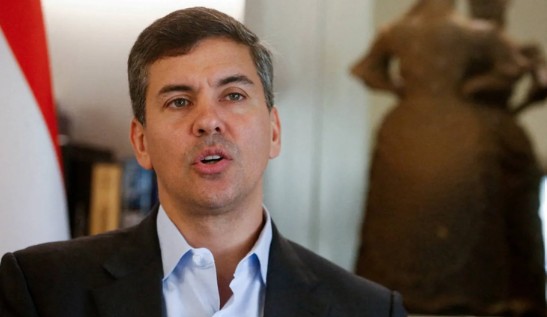
Paraguay’s political elite turned on their own leader on 6 November 2026, stripping President Santiago Peña of power before law enforcement placed him under house arrest. The Senate voted unanimously to impeach Peña over his ties to the sudden collapse of Ueno Bank. Vice President Pedro Alliana took the presidential oath minutes later inside the national congress in Asunción. Sudden falls happen quickly.
The systemic failure of Ueno Bank triggered widespread panic, locking up assets for nearly three million citizens across the country. Prosecutors linked Peña to regulatory manipulation, severe conflicts of interest, and the illegal diversion of public pension funds into the failing digital lender. Peña tried to quit early on Thursday to preserve his constitutional seat in the Senate. Lawmakers blocked his exit strategy to strip him of political immunity.
The public prosecutor’s office opened criminal probes into bank fraud, breach of trust, and public corruption charges right after the impeachment vote. State agents deployed armed guards outside Peña’s private residence to prevent flight risks while investigators seized physical records. Anger swept through commercial districts as depositors demanded the immediate return of their savings. Angry crowds massed outside government buildings.
Pedro Alliana takes over a fragile government trapped under severe fiscal and political strain. The new president promised to stabilise financial markets and deploy emergency deposit insurance to protect small account holders. Yet critics point out that Alliana spent years as a key lieutenant inside the ruling Colorado Party machine. Systemic reform demands more than clean coats.
Foreign investors view the Asunción bank scandal as a major test for Paraguay’s financial regulators and court systems. Local business groups worry that prolonged banking failures will cripple farm exports and stall credit lines across key regional hubs. Sovereign borrowing costs will rise if international rating agencies penalise the country for weak oversight. Trust burns much faster than capital.
Prosecuting a former president while stabilising a broken banking sector will stretch Alliana’s administrative capacity to its limits. Citizens want their money back, while opposition parties demand deeper checks into top government ministers and regulatory heads. Rebuilding public faith requires real judicial independence rather than quick political replacements. Alliana must prove his independence now.