
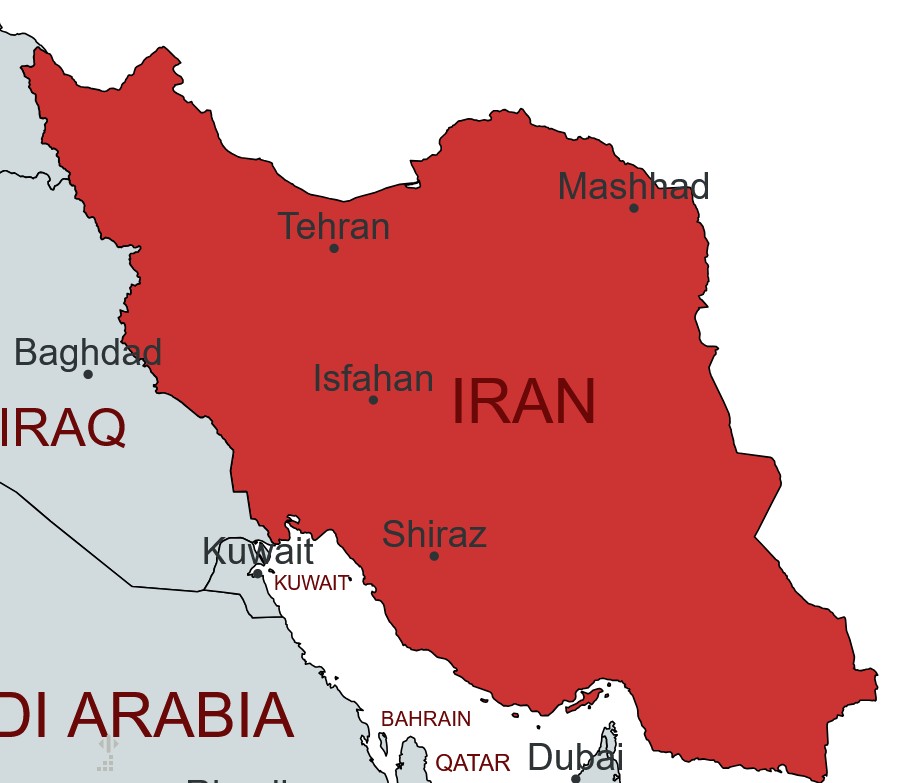
Iranian military leaders vowed on Thursday, 12 November 2026, to boost ballistic missile output just hours after Israel ordered its armed forces to prepare for a potential direct strike on Tehran. Simultaneously, an overnight Israeli airstrike tore through southern Gaza’s Nasser Medical Complex, killing at least six Palestinians and wounding 52 others. Tehran also reported massive explosions aboard two oil supertankers in the Strait of Hormuz, proving that regional hostilities continue to bleed across multiple fronts.
The strike in Khan Younis shattered the surgical wing and intensive care unit of southern Gaza’s last working public hospital. Medical officials confirmed that surgeon Rizq Abu Sha’ira died alongside patients and their companions when missiles pierced the building without warning. Israeli commanders claimed Hamas operatives ran a command post inside the facility, yet this seventh raid on the hospital leaves nearly one million residents without surgical care.
Violence in Gaza continues to mock the nominal ceasefire that took effect back in October 2025. Health records show that Israeli gunfire and airstrikes have killed over 1,600 Palestinians since the truce began, including another victim shot near Bureij camp on Thursday morning. International monitors and local analysts warn that diplomatic oversight bodies provide political cover while daily bloodshed erodes any hope of lasting peace.
Further east, Tehran answered Israeli war preparations by unveiling an underground missile city and promising steady weapons production despite punishing sanctions. Parliamentary speaker Mohammad Bagher Ghalibaf demanded an immediate Washington response to Iran’s latest diplomatic offer after rejecting American calls to ship enriched uranium abroad. Diplomatic stalemates routinely push regional actors toward dangerous military brinkmanship when neither side trusts the other to keep its word.
Naval friction escalated sharply in the Strait of Hormuz, where the Islamic Revolutionary Guard Corps reported fires on two supertankers carrying over four million barrels of crude. Iranian naval commanders blamed American military guidance for luring the vessels into an unsafe southern transit corridor. Global energy markets face renewed supply shocks whenever naval chokepoints turn into active battlegrounds between rival powers.
Regional spillover now stretches from the Red Sea to the Persian Gulf, testing global diplomatic endurance. Yemen’s internationally recognised government praised Group of Seven ministers for condemning Houthi missile launches toward Saudi Arabia and demanding an end to Iranian weapons transfers. Unless major powers enforce real restraint across these interlocking conflicts, wider regional war will remain an active threat rather than a distant fear.