
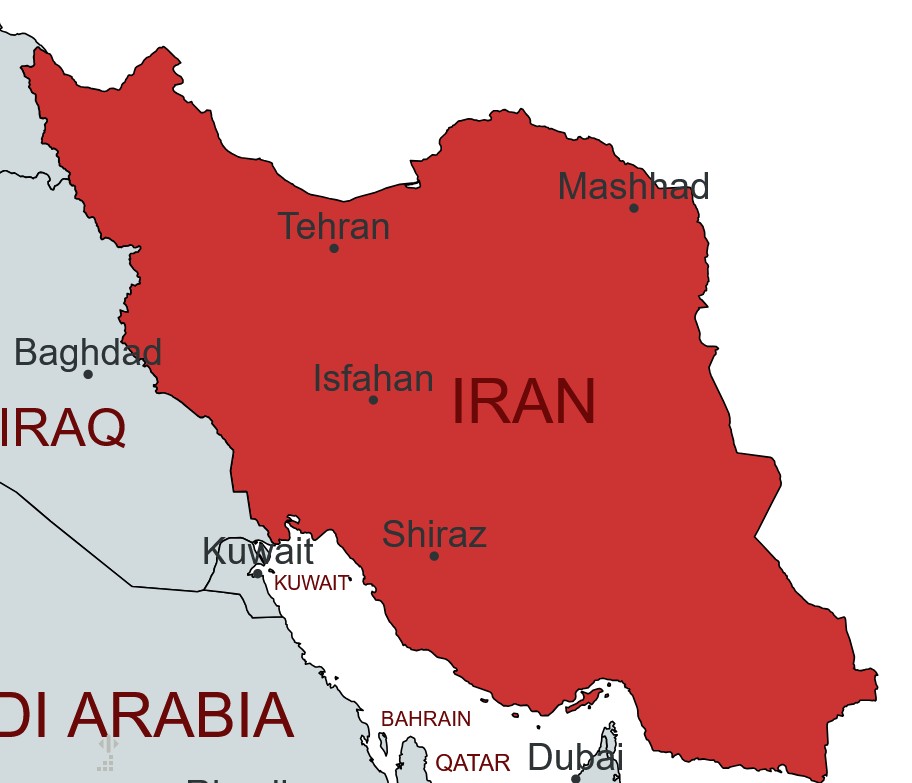
Iran delivered a blunt and public ultimatum to its Gulf neighbours on Sunday, 23 August 2026. Mohsen Rezaei, secretary of the Supreme National Security Council, warned that any country joining the American economic war against Tehran becomes an immediate enemy. The dire warning anticipates a new round of severe American sanctions scheduled for Monday. Donald Trump plans to squeeze the Iranian economy with unprecedented financial pressure. Rezaei insists that Iran will retaliate fiercely against any compliant neighbours. The threat targets regional oil exports directly and aggressively. Tehran essentially tells Arab capitals they must choose between American financial wrath and Iranian military strikes. This stark binary leaves the region bracing for immediate commercial shockwaves. The stakes for global trade rise with every passing hour.
The Strait of Hormuz forms the central battleground for this escalating dispute. Rezaei promises that not a single drop of oil will leave the Persian Gulf if neighbours cooperate with Washington. Iran claims it holds total management rights over the waterway because it controls half the coastline. The regime already chokes maritime traffic through the narrow strait. Shipping volumes have dropped drastically in recent weeks as danger mounts. Iran granted Iraq a rare exemption this weekend to move specific oil tankers. That singular exception proves the rule of a much broader maritime blockade. Tehran fully intends to hold global energy markets hostage. Leaders in Tehran demand that Washington correct its behaviour before they allow normal shipping to resume.
Gulf states occupy a practically impossible strategic position. The United Arab Emirates blinked first and suspended all trade and financial transactions with Tehran on Tuesday. This decisive move tests Iranian patience and sets a highly dangerous precedent for the region. Other neighbouring countries watch the diplomatic fallout very closely. Most Arab neighbours host sprawling American military bases on their soil. These fixed installations offer obvious and stationary targets for Iranian ballistic missiles. The strategic calculus looks exceedingly grim for regional monarchs. They desperately want American protection but deeply fear Iranian military retribution. Silence offers no reliable sanctuary in this rapidly expanding conflict.
Washington drives this crisis with relentless and unapologetic financial aggression. Trump describes his incoming policy as the most crushing economic operation that America has ever launched against a sovereign state. He demands absolute compliance from regional allies and global adversaries alike. The entire strategy relies on total isolation of the Iranian domestic economy. Some global powers resist the American dictates with varying degrees of success. China criticises the sanctions and argues they will not resolve the underlying regional standoff. Washington simply brushes aside these diplomatic complaints from Beijing. The White House operates on the belief that pure financial strangulation will eventually break the Iranian regime. Officials in Washington view this economic pressure as a substitute for direct military intervention.
Tehran shifts its strategic crosshairs from military targets to commercial assets. Rezaei notes that Iranian forces have restricted their attacks to military bases until now. He warns that American oil and economic companies in the region face imminent strikes if new sanctions take effect. The hardline official promises an earthquake response to any American economic escalation. Iranian leaders no longer pretend to seek polite or measured diplomatic solutions. They view diplomacy purely as an extension of the physical battlefield. The regime explicitly warns Washington against deploying additional troops to the region. Retaliation will surely follow any new American military buildup in the Persian Gulf. Iran plans to meet economic pressure with asymmetric kinetic force.
The political bravado in Tehran masks deep and systemic domestic vulnerability. The government acknowledges severe economic distress just hours before the new American sanctions hit. The national economy already buckles under years of compounding financial isolation. Ordinary citizens bear the heavy brunt of inflation and a collapsing currency. Street life in the capital maintains a stubborn illusion of daily normality. Yet the political leadership understands the breaking point approaches quite rapidly. The regime cannot sustain an endless war of attrition against the entire global financial system. Projecting external aggression serves to distract an angry populace from internal decay. A failing economy limits how long Iran can fund its regional military ambitions.
Iranian diplomats attempt to exploit natural cracks in the Gulf security alliance. Mohammad Ghalibaf, the parliament speaker, claims Arab neighbours send frequent messages seeking new security arrangements. He suggests these states realise the United States puts their existence at risk to protect Israeli interests. The reality on the ground involves far more pragmatic survival instincts. Gulf rulers doubt American reliability but distrust Iranian intentions entirely. They scramble to secure alternative shipping routes to bypass the Hormuz bottleneck safely. Tehran hopes to peel away American allies through sheer intimidation and proximity. Regional unity faces its most severe and direct stress test in several decades. Weak links in the Arab coalition could break under sustained Iranian pressure.
The impending collision threatens physical economies far beyond the Middle East. Global shipping firms face soaring insurance premiums and unacceptable maritime security risks. A permanent closure of the strait would radically rewrite the rules of global energy distribution. Oil markets look extremely vulnerable to sudden and violent price shocks. European and Asian buyers must now plan for massive supply chain disruptions. Western governments watch the naval standoff with growing alarm. The cost of fuel will dictate political fortunes in capitals thousands of miles away. Iran knows that causing global economic pain remains its strongest point of leverage. The threat to international commerce forces the world to pay attention.
Neither side shows any genuine willingness to step back from the brink. Washington views economic warfare as a bloodless alternative to conventional combat. Tehran treats economic sanctions as a literal act of war requiring a kinetic response. The stark mismatch in definitions makes a violent clash highly probable. American fleets patrol the waters while Iranian missiles point at the shipping lanes. The rhetoric from both capitals leaves almost no room for a face-saving exit. Leaders lock themselves into positions that demand escalation rather than compromise. The world watches a slow disaster unfold in real time. The coming week will likely define the security structure of the Middle East for a generation.