
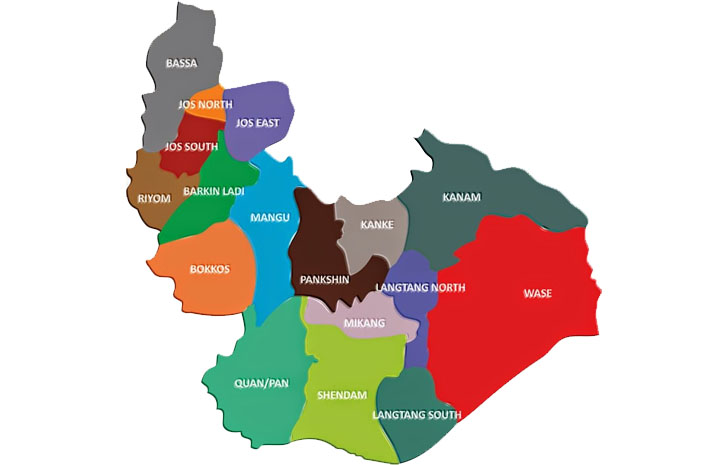
Gunmen raided the Binper community in Plateau State’s Mangu local council, killing more than 20 sleeping villagers. The attackers stormed the farming settlement between midnight and dawn, forcing their way into private homes. Several other residents suffered critical gunshot wounds during the coordinated assault. The midnight bloodbath adds another grim chapter to the long security crisis across north-central Nigeria. State authorities routinely promise tough action after every fresh massacre. Empty words offer no shield to agrarian families.
The raid fits a predictable pattern of midnight terror across Nigeria’s fertile Middle Belt. Armed squads strike remote villages when defensive vigilance is lowest, and help is distant. Survivors recount frantic attempts to flee through dark bush paths as gunmen torched residential compounds. Inadequate rural police posts leave agrarian settlements entirely exposed to well-coordinated hit-and-run tactics. The sheer brutality reveals complete contempt for state security architecture. Violence has become routine in rural settlements.
The persistent bloodshed in Mangu reflects unresolved competition over land, water, and political authority. Decades of mutual mistrust between farming communities and pastoralist groups continue to ignite deadly rural reprisals. State governments have established special task forces and imposed periodic curfews with little lasting effect. Security units arrive at burning villages long after the assailants have melted into nearby hill country. Reactive troop deployments cannot replace continuous intelligence gathering and permanent border patrols. The state remains perpetually on the back foot.
Prolonged rural insecurity extracts a heavy toll from domestic food production. Plateau State supplies tonnes of maize, potatoes, and vegetables to major urban centres across southern Nigeria. Midnight raids force terrified farmers to abandon their fields during crucial planting and harvest cycles. Displaced families flood into squalid town camps, driving up municipal relief bills and worsening local poverty. Food prices climb steadily as rural farms turn into idle combat zones. Insecurity empties rural storehouses and urban wallets.
The federal government in Abuja faces growing anger over its failure to arrest and prosecute rural warlords. Community leaders argue that a culture of official impunity emboldens criminal cartels to stage bigger strikes. When murder goes unpunished, victims invariably seek private revenge through armed ethnic vigilantes. This self-help justice creates an endless cycle of bloodletting that devours entire generations. Soldiers alone cannot fix the absence of effective judicial and administrative authority. Rural justice remains virtually non-existent.
Governor Caleb Mutfwang must rethink the state’s security strategy beyond emergency relief parcels. State authorities need to invest in modern rural communication grids and train community early-warning networks. Traditional rulers and local stakeholders require legal backing to settle communal boundary disputes before gunfire erupts. Security chiefs must also track down the commercial suppliers who funnel automatic weapons into rural backwaters. Without structural administrative reform, Plateau will continue to bury its peasant farmers. Peace requires genuine political will.