
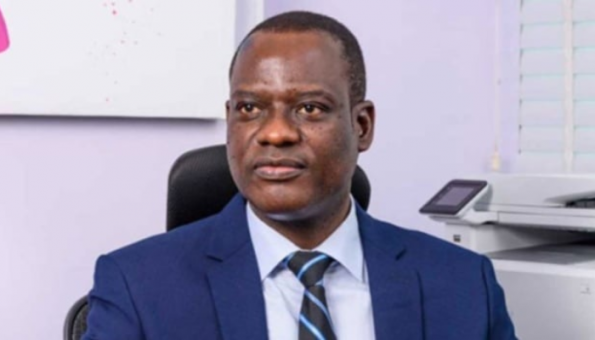
President Bola Tinubu will present the 2027 national budget proposal to a joint session of the National Assembly before the end of December. Minister of Finance and Coordinating Minister of the Economy Taiwo Oyedele confirmed the timeline in Abuja during an executive briefing on public finance targets. Federal authorities are rushing to preserve the January-to-December fiscal cycle established under previous legislative accords. Ministers insist that prompt budget presentation prevents chaotic funding gaps and keeps public works programmes on track across the country.
Macroeconomic targets inside the draft expenditure framework project a return to single-digit inflation before the close of 2027. Official economic planners claim that ongoing structural reforms will steady the national currency and tame food prices over the next fourteen months. Lower inflation should allow the Central Bank of Nigeria to trim commercial interest rates and make domestic business credit far cheaper. Critics question whether these rosy price projections can survive persistent grid failures and rising haulage costs across rural trade corridors.
Federal officials mounted a firm defence of the administration’s controversial request to borrow 21.7 billion dollars from foreign creditors. Oyedele argued that the capital injection will fund vital infrastructure assets rather than finance routine government consumption. The finance chief maintained that expanding physical rail links, gas pipelines, and power grids will generate long-term national wealth. Debt service obligations already swallow the bulk of federal tax revenues, leaving the treasury vulnerable to sudden global interest rate shifts.
Government representatives insisted that macroeconomic reforms are already yielding real benefits for ordinary citizens despite widespread public scepticism. Ministerial aides pointed to improved foreign exchange liquidity, which simplified international transactions for digital workers and local trading firms. Executive handlers argue that broader structural adjustments take time to generate measurable improvements in household living standards. Yet family budgets remain tightly squeezed by high transport fares and soaring staple food costs across urban centres.
The treasury rejected reports that ministers plan to introduce fresh fuel taxes to boost sagging non-oil revenue collections. Oyedele clarified that tax authorities will focus on expanding the existing tax net rather than imposing extra duties on petrol pumps. The official strategy relies on growing small enterprises into medium taxpayers to broaden the national revenue base. Industrialists warn that aggressive tax audits could smother struggling firms before they reach financial stability.
Ministers expressed guarded confidence that foreign direct investment will accelerate once foreign exchange unification fully stabilises local markets. The administration faces a delicate balancing act between meeting statutory debt service costs and funding vital social safety nets. Opposition leaders continue to challenge the borrowing spree, demanding full disclosure of contract terms and project locations. The upcoming budget debate in the National Assembly will test whether lawmakers share the executive branch’s optimism.