
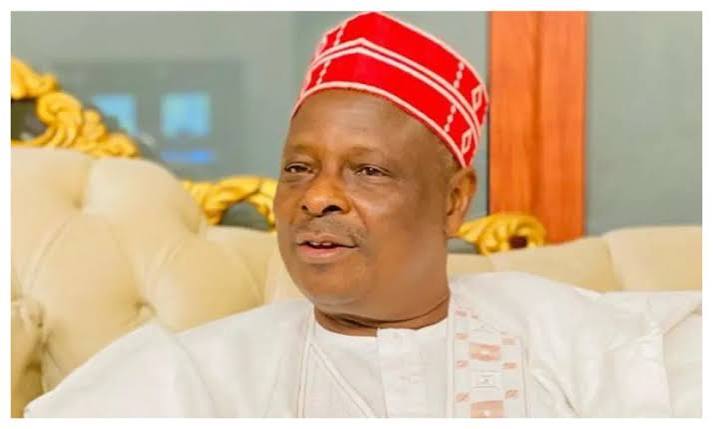
Senator Rabiu Kwankwaso has called for an independent audit of the preliminary voter register, warning the Independent National Electoral Commission (INEC) that suspected artificial intelligence-generated photographs in the list could damage public confidence in the 2027 elections. The former Kano State governor, now the vice-presidential candidate of the Nigeria Democratic Congress (NDC), made the demand in a statement on his social media pages. His intervention adds a heavyweight political voice to a controversy that has grown quickly since INEC put the register online on October 26.
“With the 2027 elections approaching, INEC must provide Nigerians with clear and convincing answers,” Kwankwaso said. He asked how the suspicious photographs entered the register, whether the people behind those entries actually registered and whether their identities were properly verified. While welcoming INEC’s decision to investigate, he said Nigerians deserved more than assurances and called for a transparent, independent probe whose findings would be made public.
Kwankwaso wants the audit to flag questionable entries, duplicate registrations and possible artificial identities. He was careful to add that the exercise must not deny eligible Nigerians their right to vote. “Nobody should be allowed to exploit technology, including artificial intelligence, to undermine our electoral system,” he said.
INEC has acknowledged the problem. In a statement on October 27, Mohammed Kudu Haruna, Chairman of the commission’s Information and Voter Education Committee, said the online register was the same one displayed physically at Registration Areas nationwide from October 9 to 15 during the Display, Claims and Objections exercise. He explained that the online version was the original preliminary register and did not reflect data clean-up still under way, adding that some questionable records had already been flagged during the physical display. The commission said it was examining how the photographs got into the register, including possible technical or procedural lapses, and would act on verified findings.
“It is important to emphasise that the preliminary register is not the final certified register,” Haruna said. INEC has fixed December 15, 2026 for certifying the final register, which leaves about seven weeks for verification, adjudication and clean-up. Certification will come roughly a month before the presidential and National Assembly elections, scheduled for January 16, 2027.
Kwankwaso is not alone in raising questions. His party, the NDC, separately alleged that the register had been inflated and asked who inserted the images and whether the affected registrants had collected their Permanent Voter Cards. Former presidential candidate Pat Utomi also demanded an explanation over entries in the Edo State register. INEC, for its part, commended citizens who raised the alarm, saying public scrutiny would improve the accuracy of the list.
The size of the register explains why the dispute matters. INEC Chairman Professor Joash Amupitan put the national register at 103,428,715 voters earlier this month, following a three-phase Continuous Voter Registration exercise that ran from August 2025 to July 2026. That is 9,959,707 more than the 93,469,008 voters registered for the 2023 polls, an increase of about 10.7 per cent. Between 2019 and 2023, the register grew by about 9.5 million from 84,004,084.
The registration exercise itself recorded 10,772,421 new registrants across its three phases, a figure INEC said was subject to biometric verification through its Automated Biometric Identification System. The net growth in the register is therefore about 812,000 lower than the gross number of new registrants. Lagos remains the largest state register with 7,488,633 voters, ahead of Kano with 6,570,276, while the North accounts for more than 54 per cent of the national total.
Concerns over the quality of the register did not start this week. In February, Amupitan listed duplicate registrations, underage registrations, registrations by non-citizens, deceased voters and incomplete records among the problems affecting the existing register, and announced a nationwide voter revalidation exercise. He also pointed to the November 2025 Anambra governorship election, where fewer than 600,000 of more than 2.8 million registered voters turned out.
That gap between registration and participation is a national pattern. Turnout has fallen in every general election since 2011, reaching a record low of 26.7 per cent in 2023. A register carrying questionable entries makes it harder to know how many genuine voters are actually on the roll.
INEC has not yet disclosed how many entries carry suspected AI-generated photographs or how many records were flagged during the physical display. The commission has said it will keep Nigerians informed as its review progresses. Kwankwaso, for his part, insists the credibility of the 2027 elections “begins with a credible voter register”.