
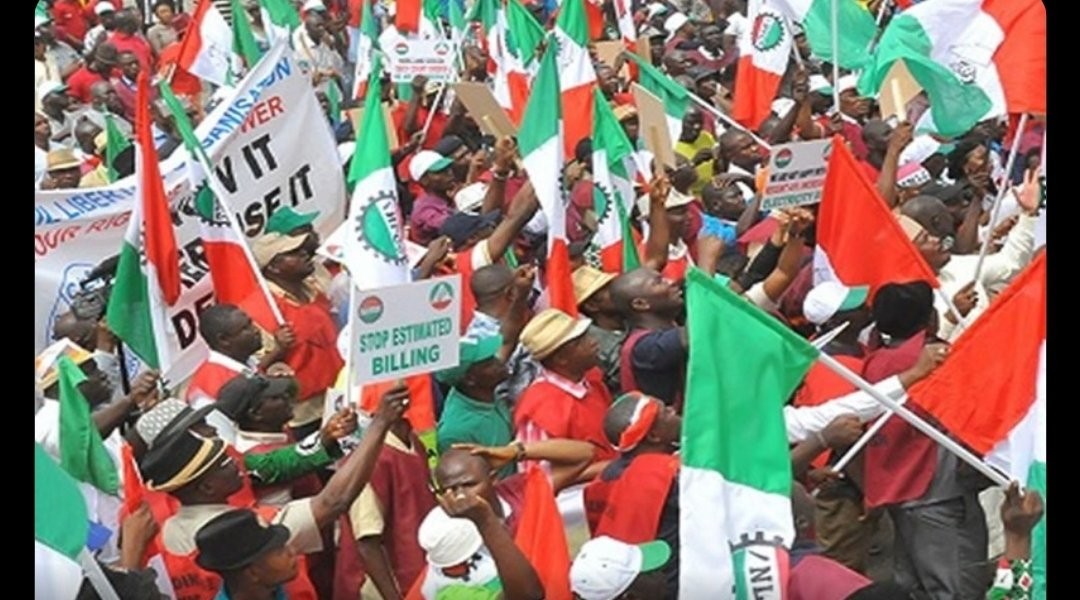
Federal civil servants are threatening industrial action as public sector unions issue a firm deadline to the Finance Ministry over withheld allowances. The Joint National Public Service Negotiating Council has demanded an urgent audience with Finance Minister Taiwo Oyedele on or before August 11. Bureaucratic delays in Abuja continue to test worker patience. Unpaid wage awards for March and April 2026 remain a flashpoint between federal staff and treasury managers. Civil servants view the continued silence from senior ministry officials as deliberate neglect. A breakdown in talks risks halting government operations across key federal ministries.
The dispute stems from two unresolved financial commitments approved during post-subsidy relief negotiations. Union leaders want the immediate disbursement of outstanding two-month wage awards designed to cushion soaring living costs. They also demand full implementation of a forty per cent peculiar allowance authorized by the national wages commission. That allowance was scheduled to take effect from May 1, 2026. Yet federal pay offices have failed to reflect the approved adjustments in monthly pay slips. Government promises carry little weight without actual payment.
Trade union leadership claims previous formal entreaties to the finance ministry met total silence. Representatives sent official letters in early May and mid-July requesting immediate clearance of arrears. Neither communication received an official acknowledgment or a clear payment schedule from fiscal authorities. Bureaucrats prefer quiet evasions to frank budget conversations. This silence has fueled rising anger across federal ministries, department offices, and state agencies. The council now frames the August deadline as a last attempt to avert direct industrial action.
The financial standoff underscores the ongoing strain on Nigeria’s public accounts. Government officials struggle to reconcile mounting wage commitments with sharp fiscal shortfalls. While ministers preach fiscal discipline, civil servants face unchecked inflation and surging transport fares. Paper approvals from salary commissions mean nothing when state treasuries remain cash-strapped. The Ministry of Finance appears trapped between tight budget limits and binding labour commitments. Delaying legitimate payments only worsens long-term industrial instability.
Failure to resolve these arrears threatens to disrupt crucial public administration during a delicate economic recovery. Civil service unions possess the institutional clout to paralyze daily government routines across state capitals. Threatening a strike remains labour’s most effective weapon against administrative inertia. Official indifference invariably invites collective disruption. Treasury managers must choose between settling valid arrears or facing closed government offices. The government cannot run its bureaucracy on broken pledges.
The August 11 meeting will test the finance minister’s capacity to negotiate under pressure. Bureaucratic excuses will no longer satisfy a workforce struggling against relentless price increases. Settling the arrears requires clear funding timelines rather than verbal assurances from ministry aides. Labour leaders know that public patience with government delays has fully expired. The administration must find funds quickly or prepare for severe civil service unrest. A working government demands well-paid public servants.