
Nigeria’s economy is on track for its fastest second-quarter expansion in five years, according to early macro nowcast estimates. The projected acceleration follows a solid opening-quarter performance that expanded by nearly four per cent year-on-year. Analysts attribute the momentum to easing inflation pressures, improved foreign exchange availability, and steady private sector demand. The agonising phase of structural reform adjustments is slowly beginning to fade. Broad-based recovery signals that the central bank’s tight policy stance and fiscal adjustments are finally taking root.
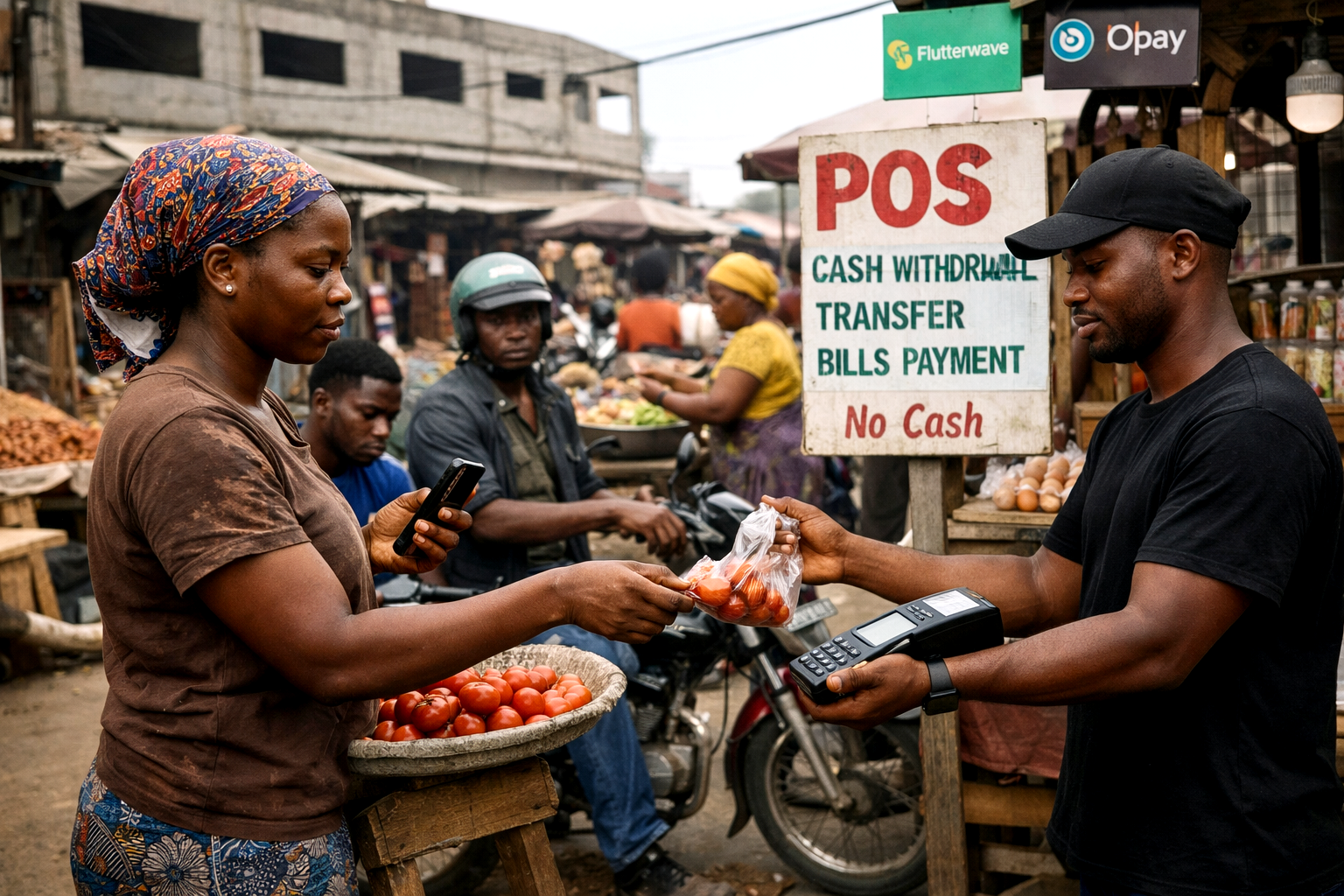
Macroeconomic data compiled by analysts shows sustained momentum across critical non-oil sectors. Services remain the primary growth engine, supported by solid performance across financial services, telecommunications, and retail trade. Meanwhile, manufacturing activity showed subtle signs of recovery after absorbing severe foreign exchange shocks over the past two years. Recent tax exemptions for smaller businesses provided targeted liquidity support, helping cash flows across informal networks. Small enterprises are expanding operations as local input costs stabilize.
Financial markets have already begun pricing in the broader macroeconomic recovery. Lower headline inflation and a far more predictable exchange-rate environment have encouraged foreign portfolio managers to rebuild positions in local assets. Sovereign Eurobonds and domestic equities registered strong gains as international investor confidence returned. Improved dollar liquidity at the official window continues to clear legacy backlogs for commercial importers. Exchange rate stability removes the chaotic price shifts that crippled corporate planning throughout last year.
Agriculture and industrial output also recorded modest gains despite structural infrastructure bottlenecks. Domestic food production showed gradual improvement as security interventions helped stabilize key farming corridors across the middle belt. Simultaneously, local refining capacity reduced the foreign exchange burden of refined fuel imports, preserving external reserves. Higher reserve buffers now offer the apex bank vital firepower to smooth out temporary currency fluctuations. Foreign reserves are holding steady above key threshold levels.
Despite the positive trajectory, economists warn that the expansion remains far below the threshold required to alleviate widespread poverty. Analysts point out that the national economy must achieve sustained annual growth of seven to ten per cent to generate enough formal jobs for the youth population. Current growth rates still leave millions trapped in low-productivity informal work. Persistent structural deficits in transport logistics and high energy costs continue to limit long-term industrial competitiveness.
The durability of this economic rebound will face significant tests over the coming months. Rising political spending ahead of the 2027 general elections threatens to reignite demand-pull inflation if fiscal discipline slips. Additionally, global oil price volatility and lingering agricultural vulnerabilities could easily disrupt fiscal targets. Managing this recovery requires policymakers to maintain tight monetary control while accelerating structural energy reforms. Sustained growth depends on turning short-term macroeconomic stability into lasting industrial output.