
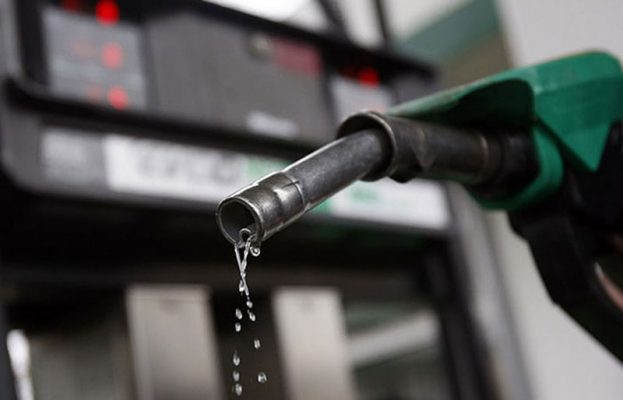
The long running question of where Nigeria’s fuel subsidy savings have gone hardened into an open dispute on Thursday, as the Federal Government gave its most detailed account yet of how the money was spent and organised labour dismissed the explanation as unverifiable.
Speaking at the 7th Africa Emerging Markets Forum in Abuja, hosted at the Central Bank of Nigeria headquarters, the Minister of Finance and Coordinating Minister of the Economy, Taiwo Oyedele, said the combined cost of the petrol subsidy and what he called the subsidy on foreign exchange had amounted to roughly five per cent of Gross Domestic Product before President Bola Tinubu scrapped both in 2023. The savings, he stressed, were never parked in a dedicated account.
“Saving money wasn’t the primary objective, it was eliminating the distortion and corruption in the system,” Oyedele said, promising a full breakdown within days. He explained that higher interest rates had pushed the government’s debt servicing cost from about eight per cent to as high as 24 per cent, while the new national minimum wage, raised from N30,000 to N70,000, had almost doubled the federal wage bill. He added that more than 1.5 million students now draw tuition and monthly stipends from the Nigerian Education Loan Fund, NELFUND.
The minister defended continued borrowing despite improved revenue with a plain illustration. “If you have a budget to spend 10, and you have a target of revenue of six, you need to borrow four,” he said, arguing that beating a revenue target does not erase a financing gap. He tied the reforms to the administration’s ambition of a one trillion dollar economy by 2030 and, responding to the IMF’s 2026 Article IV review, insisted progress would be judged by real incomes and poverty rather than headline growth. His remarks followed a prompt from World Bank Chief Economist Indermit Gill, who noted that many Nigerians remained unconvinced the gains had reached their homes.
Labour was unmoved. The General Secretary of the Nigeria Civil Service Union and National Secretary of the Joint National Public Service Negotiating Council, Olowoyo Gbenga, accused the government of being economical with the truth, pointing to the simultaneous implementation of the 2024, 2025 and 2026 budgets. He asked what had become of personnel costs already provided for in those budgets, and questioned how salary increases could be credited to subsidy savings. He also disputed the claim of a pay rise, noting that the 40 per cent peculiar allowance tied to the new wage, due from May 1, 2026, and a two month wage award both remained unpaid.
A senior official of the Nigeria Labour Congress, speaking anonymously, went further, describing the account as “a public relations gimmick” and “voodoo economics.” He put first month subsidy proceeds at over N3 trillion and alleged that funds had gone into presidential aircraft, yachts and other luxuries, demanding “verifiable facts and data.”
The numbers give the argument weight. Independent estimates place 2024 subsidy savings at about 7.5 billion dollars, while allocations from the Federation Account climbed from N16.28 trillion in 2023 to N28.78 trillion in 2024, a rise of about 79 per cent. Yet stubborn inflation, a naira trading near 1,364 to the dollar, and thin real wages have kept household costs high, feeding the scepticism Oyedele himself conceded. “A reform that shows up on national statistics but not on the household dining table hasn’t finished its job,” he said.
With the promised breakdown now awaited, the standoff sets up a fresh test both of the transparency the government says defines its reforms and of labour’s demand that the figures be shown, not merely stated.