
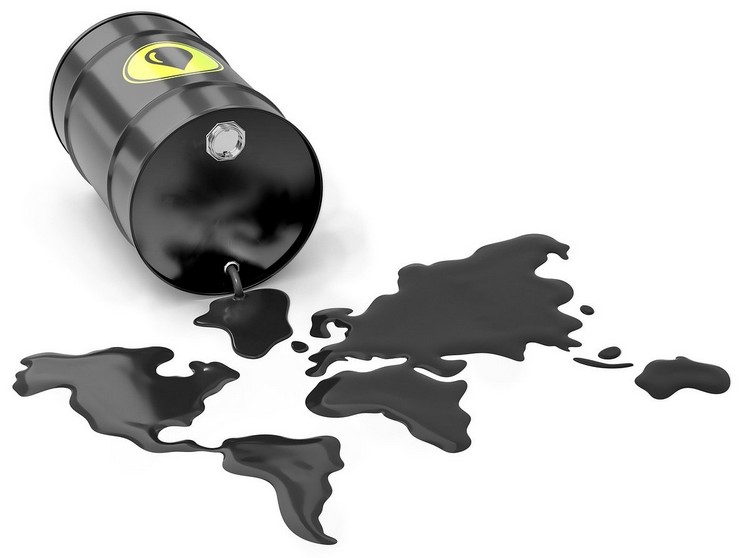
Global oil prices slipped below $80 a barrel as energy traders bet on a diplomatic breakthrough between Washington and Tehran. Brent crude fell to three-month lows following signs of an impending deal and the reopening of the Strait of Hormuz. Traders stripped away the heavy geopolitical risk premium that previously inflated energy costs. Additional crude volumes will soon flow onto international markets. Markets react faster to peace than to war. The sudden slump in crude futures shifts financial pressure across global energy markets.
The diplomatic compromise promises immediate economic relief for major oil-importing nations. Lower crude prices reduce imported energy costs for European and Asian economies. Central banks gain fresh breathing room to lower baseline interest rates as headline inflation cools. Retail petrol prices expect steady declines over the coming weeks. Dangote Refinery already cut local pump prices by N75 per litre in response. Cheap energy helps ease wider consumer cost pressures.
Nigeria faces an immediate fiscal shock as benchmark prices slide below budget projections. The federal government relies heavily on elevated oil revenues to fund public spending. Lower crude prices threaten central bank reserve accumulation and government treasury targets. Higher production volumes must now offset falling dollar receipts per barrel. State oil managers must boost output fast. National fiscal stability hangs on crude volume growth.
The eventual return of Iranian barrels will add hundreds of thousands of daily barrels to global supply. Tehran can now resume official crude exports after years of strict maritime blockades and sanctions. Oil cartels face renewed friction over strict production quotas. OPEC member states must decide whether to extend existing supply cuts to defend baseline prices. Market share battles often wreck cartel discipline. Iranian barrels will test group unity severely.
Shipping lines welcome the prospective reopening of vital Middle Eastern maritime corridors. Commercial vessels now plan safer transit through the critical Strait of Hormuz. Lower marine insurance rates will further trim global freight costs. Supply chain bottlenecks ease as maritime trade routes reopen. War risk premiums collapsed almost overnight. Global trade routes resume normal operating rhythms.
Commodity markets remain highly sensitive to fast-moving diplomatic developments. A sudden collapse in diplomatic talks could instantly revive geopolitical risk premiums. Crude futures will fluctuate until signed agreements take full effect. Investors prepare for choppy energy markets in the coming months. Geopolitics continues to govern energy pricing. Financial planners must brace for further volatility.