
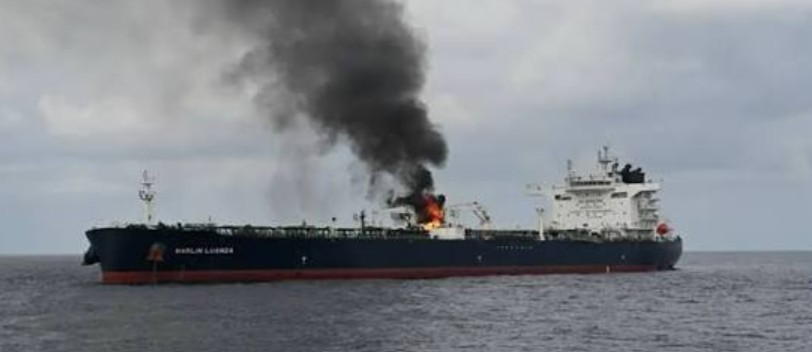
An unknown projectile struck an outbound commercial vessel in the Strait of Hormuz on Tuesday morning. The blast damaged the ship’s engine room and caused a crew casualty. Omani coastguard vessels rushed to assist the remaining sailors as emergency responders secured the vessel. The assault marks another grim reminder that the world’s most vital energy corridor remains a free-fire zone. Merchant hulls cannot dodge flying metal forever. Maritime trade in the Persian Gulf has ground to a near-total halt.
Daily ship transits through the narrow strait have collapsed into single digits. Over 130 vessels navigated these waters every day before fighting erupted between Washington and Tehran. Today, only a handful of daring captains risk the perilous passage under armed escort. Shipowners face steep war-risk insurance premiums that wipe out normal commercial freight margins. Western naval firepower has failed to establish absolute command over the waterway. Commercial sea lanes cannot function under constant bombardment.
The persistent strikes expose the severe limits of American naval dominance in narrow waters. President Donald Trump has repeatedly threatened to annex the waterway and station permanent garrisons on regional shores. Yet high-tech naval fleets struggle against low-cost drones and mobile coastal missile batteries. Attackers need only land a single cheap projectile to paralyse multi-million-pound shipping operations. Naval escorts burn through expensive interceptors while civilian crews take the real physical hits. Empty threats from Washington do not calm jittery insurers.
The incident shatters the fragile remnants of recent diplomatic talks between regional powers. Tehran has warned that it will launch a full offensive if the United States refuses to lift its naval blockade. Western diplomats hoped that informal maritime protocols would protect neutral merchant traffic from sudden attacks. Instead, unidentified missiles continue to pound commercial vessels regardless of flag or cargo. Diplomacy collapses when gunners shoot first and ask questions later. The naval standoff is spinning out of control.
Global energy markets will feel the pain of this latest maritime explosion. Brent crude prices remain uncomfortably high as traders price in the threat of prolonged supply disruptions. Landlocked oil pipelines across the Arabian Peninsula can carry only a fraction of Gulf export capacity. Asian refineries and European importers face mounting supply delays and rising fuel transport bills. High freight charges quickly feed into global inflation numbers. A closed strait extracts a tax on every consumer.
Developing economies will absorb the sharpest shocks from higher shipping bills and expensive refined petroleum. Cash-strapped African importers must spend scarce foreign exchange reserves to cover swollen freight insurance rates. Local petrol pump prices and transport tariffs will rise across major urban commercial centres. Central bankers will find it hard to cut interest rates while imported energy costs keep climbing. Economic misery spreads far beyond the Persian Gulf. Missiles in Hormuz hurt ordinary citizens across the globe.