
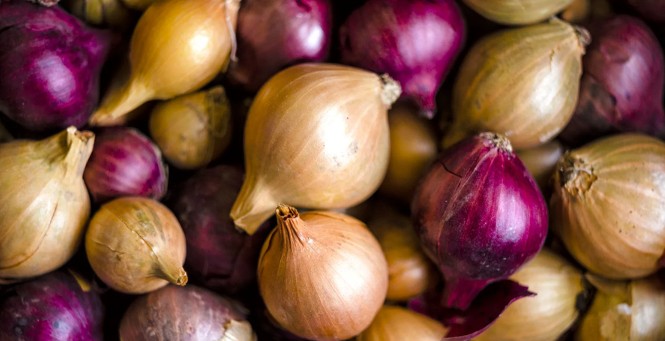
Nigerian kitchens face a sharp squeeze as onion prices soared 900 percent over the past six months, turning a basic staple into a luxury item. A standard 120-kilogram bag that sold for N30,000 in April now costs N300,000 across major urban markets. The National Onion Producers, Processors and Marketers Association of Nigeria confirmed the massive jump, citing severe off-season shortages and systemic supply failures.
Farmers across key northern growing hubs like Sokoto, Kebbi, and Kano struggle against extreme post-harvest losses that routinely wipe out half their yield. Modern climate-controlled storage facilities remain virtually nonexistent in rural farming districts, forcing growers to sell immediately or watch their produce rot. Early rain disruptions and destructive regional flooding further decimated harvests before crops could reach distribution trucks.
High diesel prices and petrol subsidy removals have pushed cross-country haulage costs to unprecedented levels. Moving agricultural produce from northern farms to southern urban centres now accounts for the lion’s share of retail pricing. Traders pass these compounded logistics expenses straight to household consumers who are already dealing with record inflation across all food groups.
Borders offer no relief to local market vendors as neighbouring supply chains face similar climate disruptions and high trade barriers. Importers in border states find minimal surplus in Niger Republic, which historically supplemented domestic stock during seasonal shortfalls. The resulting scarcity leaves regional wholesalers bidding aggressively against each other for shrinking regional inventories.
Small food businesses and household caterers are changing their recipes or closing shop as onion costs eat away at their profit margins. Millions of low-income families simply cut the bulb out of their daily meals entirely. Food sellers in commercial hubs like Lagos and Abuja warn that rising input costs make prepared dishes unaffordable for regular workers.
Government interventions continue to favor raw production targets while neglecting the critical midstream processing and preservation infrastructure. Without urgent investments in cold-chain logistics, solar-powered drying units, and rural roads, seasonal price shocks will remain a recurring feature of Nigerian agriculture. The current onion surge shows how easily poor infrastructure can turn bad weather into a national food crisis.