
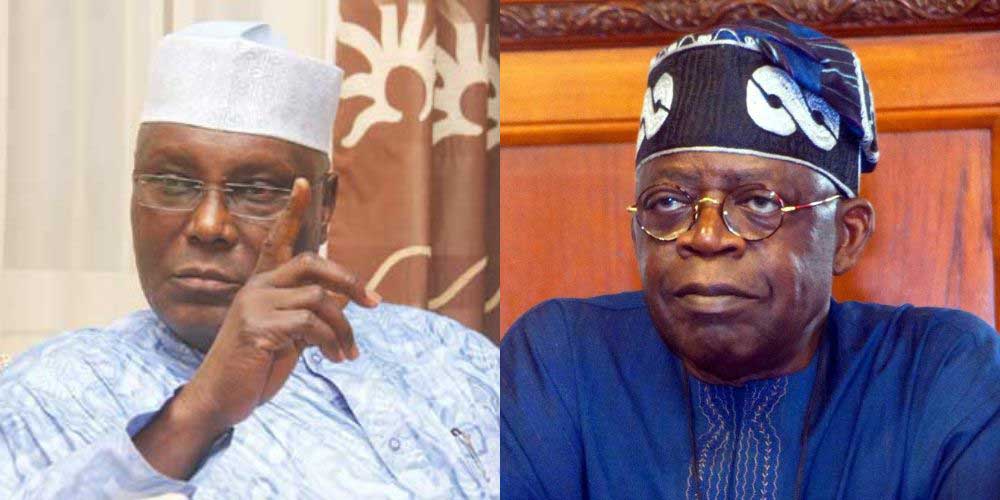
Former Vice President Atiku Abubakar attacked President Bola Tinubu on Tuesday over a massive new foreign borrowing request sent to the National Assembly. Tinubu asked the Senate to approve 20.5 billion dollars and one billion euros in external loans to fund federal infrastructure. The African Democratic Congress candidate noted that the huge request proves his earlier public warnings about covert debt plans entirely right.
The presidential challenger accused the administration of hiding essential project costs and precise contractor lists from the public eye. He warned that borrowing huge sums without clear line items creates serious risks of widespread corruption. Lenders must understand that future governments will review every credit deal signed during this administration’s final stretch.
Opposition leaders suspect federal officials intend to direct these borrowed funds toward politically connected infrastructure projects like the Lagos-Calabar coastal highway. That road project saw its original routes adjusted inland away from early coastal surveys. Critics ask whether this giant loan represents genuine national development or a hidden campaign fund for upcoming elections.
Nigeria already spends the bulk of its revenue servicing existing debts owed to local and foreign creditors. Adding another huge debt package threatens to crush the national currency and drive local inflation even higher. Citizens currently face soaring food prices and rising transport costs while the public debt stock reaches record levels.
Atiku urged the National Assembly to block the borrowing plan until federal ministers publish full contract terms. Lawmakers must not hand the executive branch a blank cheque that burdens future generations of taxpayers. Public debt should build vital infrastructure rather than enrich political allies and favoured contractors.
The debate sets up a sharp political clash over state fiscal management ahead of the next election cycle. Tinubu insists these foreign loans will build critical roads, power lines, and rail links needed to grow the national economy. Voters will ultimately decide whether heavy borrowing brings long-term progress or structural financial ruin.