
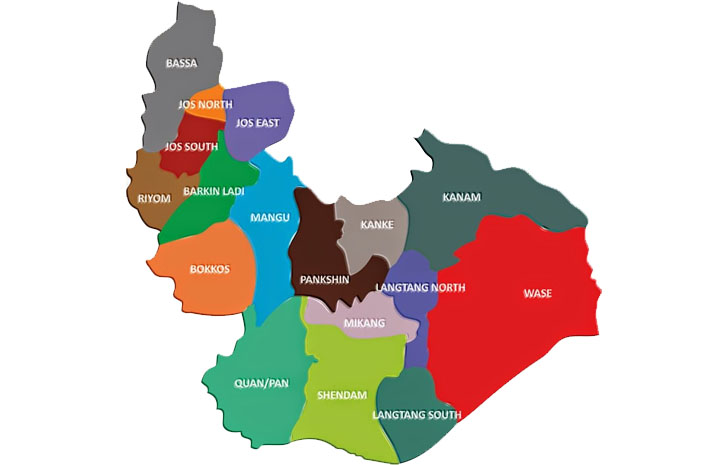
Angry women from the Gashish community in Barkin Ladi, Plateau State, destroyed a military checkpoint on Monday, citing total loss of confidence in the security forces. The protest followed a weekend of bloodshed across the region that claimed at least six lives in twin attacks. Residents argue that the presence of soldiers has failed to stop gunmen from terrorizing their communities. For these women, the checkpoint became a symbol of indifference rather than protection.
The weekend violence began in Hurum-Gashish, where gunmen killed four people and wounded five. A subsequent attack on the Bachi community left two more dead. Residents claim that despite warnings about the movement of armed groups, security forces failed to intervene. The frustration boiled over during a burial ceremony for a previous victim, driving the crowd to dismantle the military structures near Kassa.
This act of defiance highlights a widening rift between rural communities and the security personnel deployed to protect them. The protesters openly accused soldiers of arriving only after the damage is done. Some even alleged collusion between security agents and the attackers. “If they cannot protect us, they should leave our land,” one protester stated. The military has maintained restraint while grappling with the volatility of the region.
Plateau State faces a persistent crisis of insecurity that defies standard pacification efforts. The cycle of violence often involves complex intercommunal tensions over land and identity. Authorities frequently label these attacks as isolated criminal acts. Communities, however, view them as an existential threat. Each new death diminishes the thin thread of trust remaining between the public and the state.
Security sources confirmed that the situation in Barkin Ladi remains tense despite temporary interventions by local leaders. Officials have promised to review deployment strategies to prevent further escalation. Yet, such promises offer little comfort to those living in the line of fire. The destruction of the checkpoint serves as a blunt message to the authorities. Mere presence is no longer enough to secure peace.