
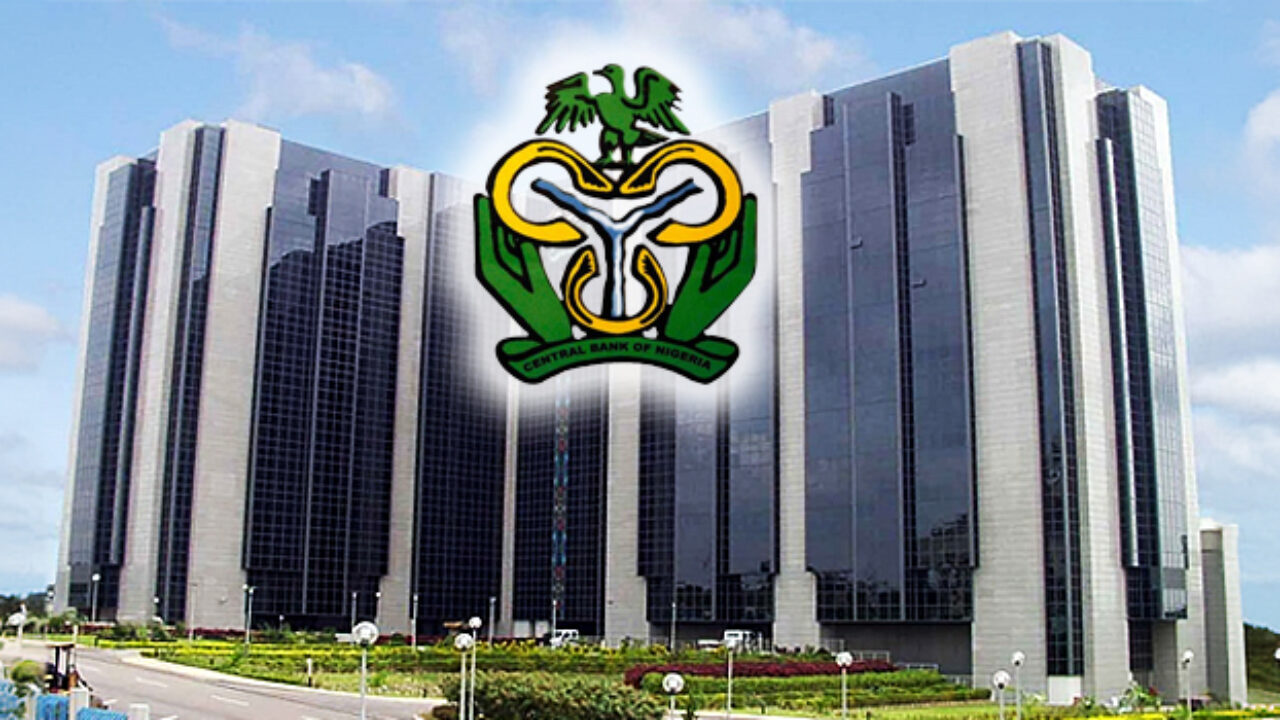
Nigerian businesses are borrowing heavily despite punitive interest rates. Credit to the private sector climbed 2.8% to 83.3 trillion naira in June. Fresh Central Bank of Nigeria data confirms the steady credit expansion from eighty-one trillion naira in May. Commercial banks continue to disburse loans to eager corporate and household borrowers. High borrowing costs fail to deter private borrowers. High inflation forces companies to seek larger credit lines simply to fund basic operations.
The central bank faces a nagging policy paradox. Monetary officials keep the benchmark interest rate elevated at 26.5% to curb persistent inflation. Yet commercial credit creation grows alongside general price levels. Companies need bigger loans to cover skyrocketing transport costs and expensive foreign exchange. Borrowers choose expensive debt over operational paralysis. Money supply grows while central bankers preach monetary discipline.
Public sector borrowing showed a slight retreat in the same period. Net credit to the government fell nearly one per cent to 40 trillion naira in June. Reduced state borrowing reflects minor fiscal restraint or delayed debt issuance by treasury officials. Overall net domestic credit still rose one point five per cent to hit one hundred and twenty-three trillion naira. The state temporarily yields space to private enterprises. Sovereign appetites for cash will likely return before year-end.
Rapid credit growth creates distinct economic risks for the central bank. Uncontrolled credit expansion can fuel secondary inflation if funds flow into non-productive consumption. Many businesses use fresh loans to survive operational bottlenecks rather than build new factories. High interest rates threaten to trigger corporate defaults if economic growth slows further. Commercial banks build up heavy corporate risk exposure. Lending growth without rising industrial output merely feeds the inflationary fire.
Central bankers must soon decide whether to tighten credit conditions further. The monetary policy committee meets again to evaluate borrowing trends and price stability. Aggressive rate hikes have clearly lost their ability to suppress private demand for credit. Policymakers must tackle real supply constraints rather than relying solely on interest rate hikes. Real economic growth requires productive investment rather than survival borrowing. Tight monetary policy alone cannot fix structural defects.