
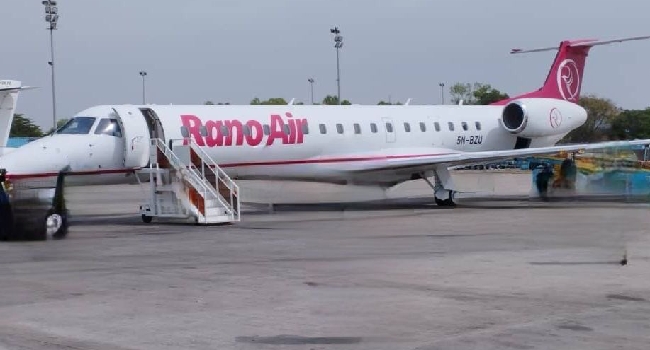
Rano Air has grounded flights on several key routes as the cost of aviation fuel becomes impossible to bear. The airline blames a 300 per cent spike in the price of Jet A1 for making these operations commercially unsustainable. It has not yet named the specific paths it is cutting from its schedule. This retreat highlights a deepening crisis in Nigerian aviation, where even basic service is becoming a luxury. The company says it will only return to these routes when the numbers finally make sense.
The price of fuel has jumped from 900 Naira to over 3,300 Naira per litre in some parts of the country. This surge puts immense pressure on a sector already struggling with thin margins and currency woes. Fuel now accounts for 40 per cent of operating costs for Nigerian carriers. That figure is significantly higher than the global average and leaves little room for error. Rano Air claims it had no choice but to scale back to protect its survival.
The airline promises to help passengers with existing bookings through refunds or rescheduling. It remains vague on when normal service might resume, citing “operational viability” as the only metric. Other domestic carriers like Air Peace and United Nigeria Airlines have voiced similar frustrations recently. They warn that the current pricing model is a recipe for industry-wide collapse. Frequent delays and sudden cancellations have already become the standard experience for Nigerian travellers.
The Federal Government has tried to intervene through the Ministry of Aviation, but the results have been limited. Minister Festus Keyamo has held several meetings with operators to find a middle ground on pricing. Despite these talks, volatility remains the only constant in the fuel market. Airline operators continue to describe the situation as astronomical and unsustainable for business. The gap between government promises and the reality at the fuel pump is widening.
Rano Air is a relatively new player, making this retreat particularly telling for the market. If a lean operator cannot make the numbers work, older legacy carriers are likely hurting even more. The suspension of routes reduces competition and will inevitably drive up ticket prices for remaining flights. Passengers are now paying more for a service that is becoming less reliable by the day. This cycle of rising costs and shrinking service shows no sign of breaking.
The airline insists it remains committed to safety and reliability despite the current turbulence. It is a difficult promise to keep when the primary input for flight is priced out of reach. For now, the carrier is focused on managing the fallout with its stranded customers. The broader industry waits to see if other airlines will follow suit and cut their losses. Nigeria’s aviation sector is effectively flying on empty while waiting for a price correction.