
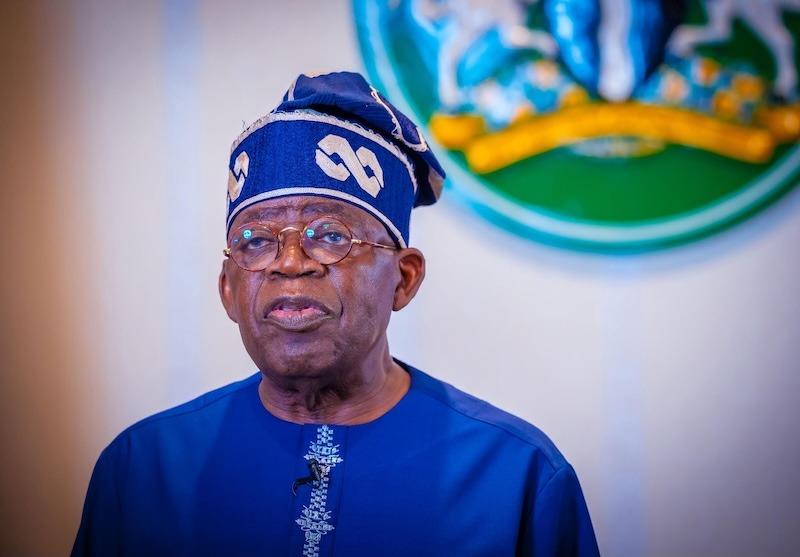
President Bola Tinubu ordered the immediate release of more than 300 containers of vital electricity equipment stranded at Nigerian ports for up to two years. Minister of Power Joseph Tegbe revealed the executive directive during an energy briefing in Abuja, exposing how entrenched administrative inertia sabotages national infrastructure. Maritime agencies, customs authorities, and port operators allowed high-voltage transformers and grid components to accumulate crippling demurrage fees while blackouts paralysed domestic industries. Bureaucratic infighting over import tariffs kept essential hardware locked inside metal crates while generating stations struggled to wheel basic baseline current.
Navigating port clearance represents only the initial skirmish in a far longer logistics campaign. Decades of exposure to harsh marine air inevitably corrode copper wiring, degrade sensitive insulation, and compromise structural integrity across complex electrical hardware. Technical teams must run rigorous diagnostic audits on every recovered component before approving field installation across the national grid. Engineers plan to deploy functional units directly to overloaded substations across key commercial corridors to boost regional voltage stability. Damaged machinery will face scrap disposal, writing off billions of naira in wasted public capital.
Rescuing abandoned cargo offers a brief tactical reprieve for a utility sector trapped in global supply bottlenecks. Worldwide demand for heavy electrical transformers has surged sharply, driven by rapid industrial expansion and foreign data center construction. Global manufacturers now quote delivery lead times exceeding three years for specialised substations and high-capacity switchgear. Recovering domestic hardware from shipping terminals provides immediate spare parts without waiting years for foreign factory allocations. National energy security requires ruthless operational execution rather than simple policy announcements.
Central authorities still fail to address the systemic debt defaults that starve the domestic energy sector of operational liquidity. Power generation companies cannot purchase adequate natural gas supplies because distribution firms default regularly on wholesale energy invoices. Clearing legacy port debts releases physical hardware, but physical assets cannot resolve a multi-trillion naira liquidity deficit. Private utility investors refuse to sink fresh equity into transmission networks until government regulators enforce cost-reflective retail tariffs across all consumer classes. Fixing port logjams clears space in container yards while leaving the underlying financial crisis completely untouched.
State governments are moving swiftly to bypass federal transmission failures by building regional electricity markets within their own borders. Pioneer states like Lagos, Edo, and Enugu now issue independent generation licenses to attract direct private investment into local mini-grids. These sub-national initiatives establish regional power pools that insulate local factories from recurring national grid collapses. Federal officials must align national grid expansion projects with these emerging state regulatory bodies to prevent costly infrastructure duplication. Decentralised utility management offers a realistic escape route from centralised administrative paralysis.
Leaving 300 containers of critical infrastructure to rot in coastal ports illustrates the systemic governance failures holding back West Africa’s largest economy. Public servants routinely prioritise procedural disputes and fee collections over basic national service delivery. Minister Tegbe must enforce strict weekly tracking mechanisms to ensure recovered transformers reach installation sites without vanishing into private supply chains. The administration must prove that executive orders can overcome deep-seated bureaucratic resistance across federal ministries. Actions inside dusty port terminals will show whether state reform promises carry real weight.