
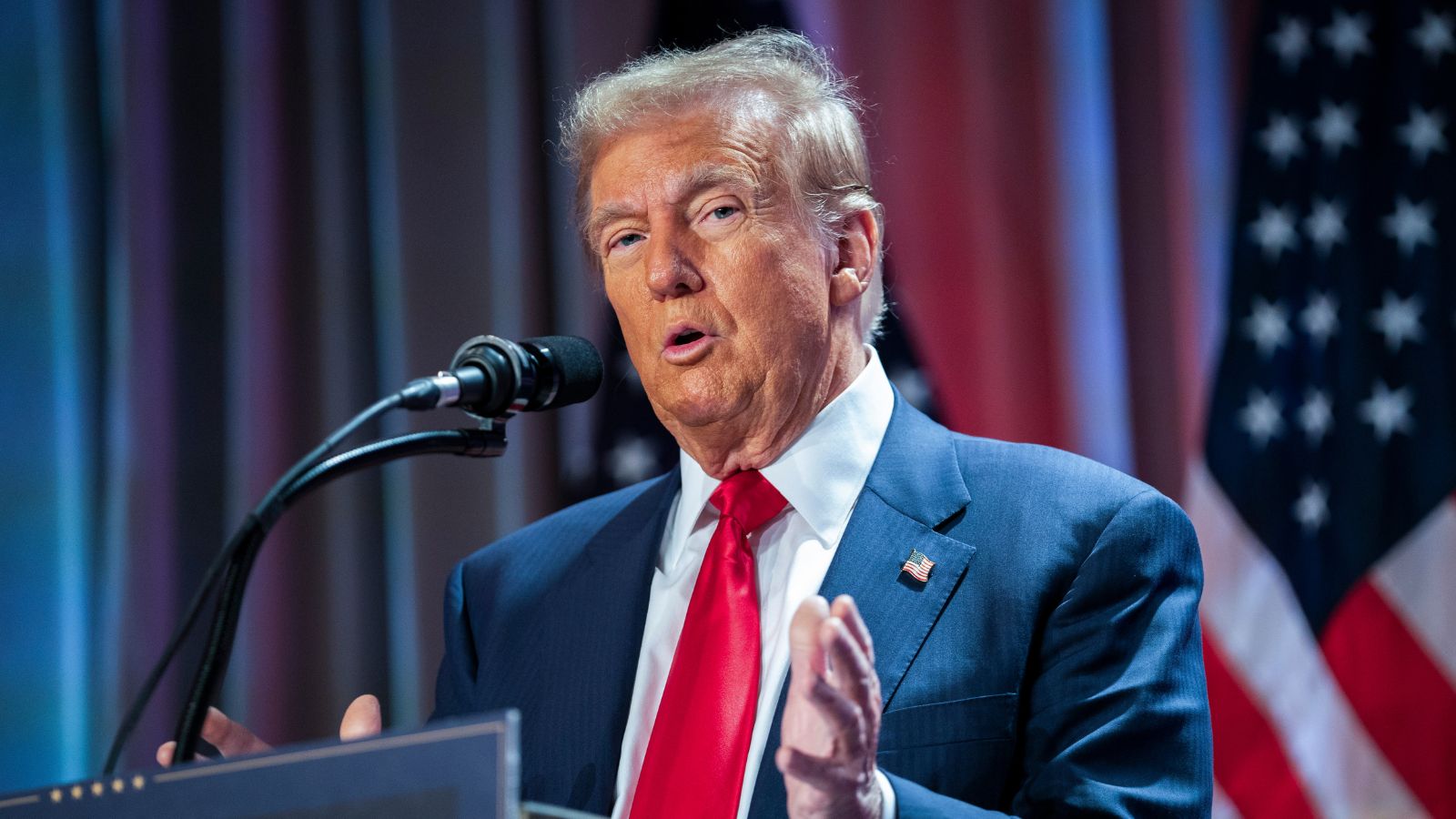
Three prominent American news organisations filed a joint federal lawsuit against the administration of President Donald Trump on Monday, 21 September 2026, challenging an executive decision to ban their journalists from the White House grounds. CNN, Politico, and MS NOW notified government lawyers that they are seeking an emergency injunction in the US District Court for the District of Columbia to restore their press credentials. The complaint argues that the administration broke the First and Fifth Amendments of the US Constitution by stripping access without due process to punish critical reporting. The dispute marks a sharp escalation in an old war between the White House and the press corps. Governments rarely enjoy tough questions from reporters. Barring reporters from public buildings remains an authoritarian shortcut that tests democratic norms.
The confrontation began on Friday when Trump declared on social media that he was barring the three outlets for spreading what he labelled fake news. Secret Service officers enforced the order on Saturday morning, turning away credentialed correspondents at the security gates and confiscating their electronic hard passes. In an online post on Monday, Trump defended the purge, calling critical journalism a cancer and a threat to national security. The White House revoked access without prior notice, administrative hearings, or written explanation. Punishing newsrooms for unfavourable coverage strikes at the heart of free speech. The administration wants to decide which questions reporters may ask.
The ban caused immediate disruption to standard television coverage of the presidency. CNN was scheduled to act as the primary video pool provider for all five major television networks on Monday as Trump travelled to New York City for the United Nations General Assembly. The White House abruptly struck CNN from the rotation list, prompting the five-network consortium to cancel official video pool coverage of the president entirely. The pool mechanism ensures that independent cameras document every presidential movement for the historical record. By trying to lock out an individual network, the administration forced a total blackout of its own public events. Autocratic impulse often produces clumsy operational chaos.
Federal case law offers little protection to the government’s position. The White House operates under strict judicial precedents that bar officials from denying press passes on the basis of political viewpoint or editorial tone. In 2018, during Trump’s first presidential term, a federal judge ordered the immediate restoration of CNN correspondent Jim Acosta’s press pass on due process grounds. A federal court intervened again in 2025 when the administration attempted to exclude the Associated Press over language disputes regarding regional maritime naming conventions. Once a state opens a public forum to working reporters, it cannot pick and choose attendees based on personal whim. Constitutional protections do not vanish when political leaders take offence.
The purge fits into a wider strategy to dismantle conventional press scrutiny across Washington. Over the past year, the Trump administration has restricted access for legacy newsrooms while awarding front-row seats and briefing room passes to sympathetic podcasters and online partisans. The president has also pursued multi-billion-dollar libel lawsuits against major media groups, attempting to turn ordinary coverage into expensive legal fights. The White House Correspondents’ Association demanded the immediate reversal of the ban, warning that public scrutiny belongs to the voters. State media models work well in dictatorships, but open societies demand adversarial questioning.
Electoral pressure provides the real political motive behind the crackdown. With congressional midterm elections approaching in November, Republican Party strategists face narrow majorities and slipping public approval ratings. Trump wants to energise his political base by attacking familiar cultural villains in the mainstream press. Manufacturing high-profile fights with television networks diverts voter attention away from troublesome economic data and political scandals. Fighting the press is an easy way to mobilise partisan anger. Yet using state power to silence critics exposes political anxiety rather than executive strength.
The legal fight will move swiftly through the federal court system. The three news organisations have asked the court to grant an immediate temporary restraining order to prevent irreparable harm to their newsgathering duties. If the presiding judge follows established precedent, government lawyers will face a tough task justifying why administrative passes disappeared over the weekend. The administration hopes that a sympathetic appellate judge will weaken decades of First Amendment protections. Picking fights with the Constitution remains a dangerous gamble for any government.
The courtroom battle in Washington carries consequences that reach far beyond the West Wing press room. If an American president can evict independent journalists by personal decree, governments across the world will cite the precedent to silence domestic critics. Autocrats always watch how established democracies handle free speech. The three newsrooms acted correctly by moving together rather than seeking separate backroom compromises. When the state attempts to control the news, the courts remain the final line of defence.