
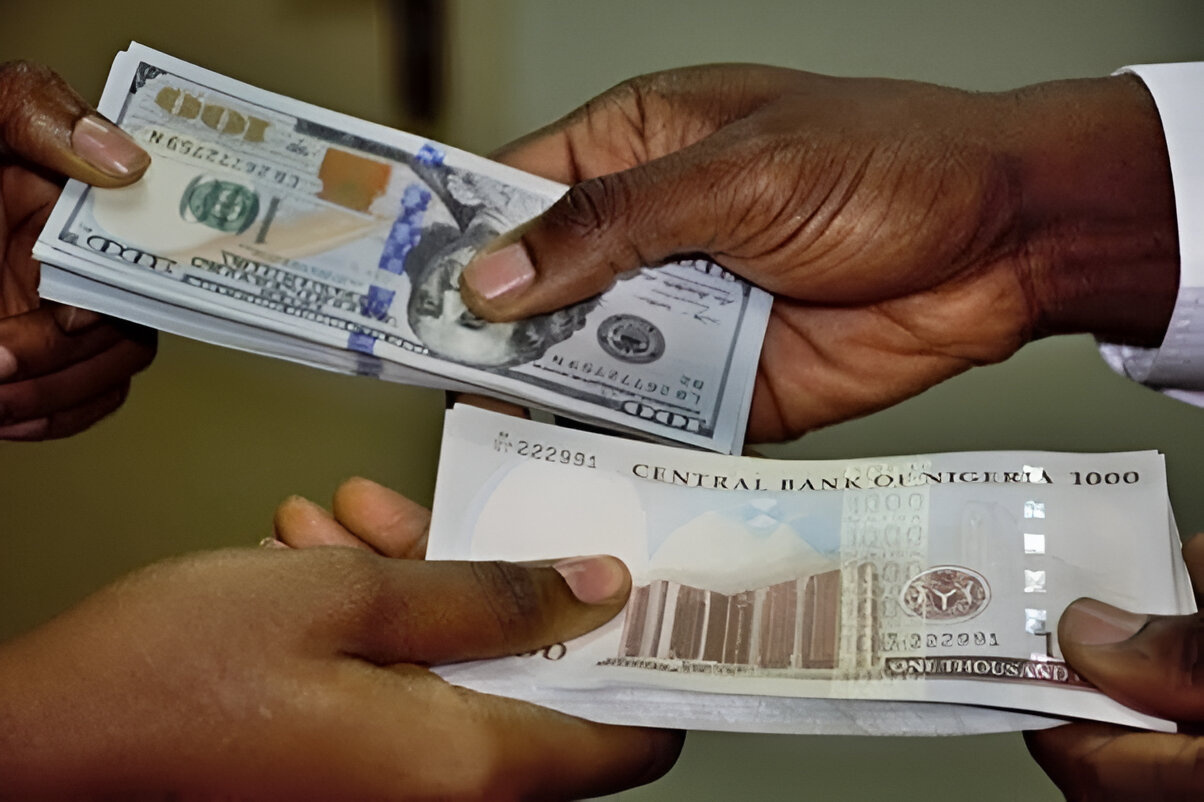
The Nigerian naira appreciated slightly against the United States dollar on Monday morning to open the trading week on a positive note. Data from the official foreign exchange market showed the local currency strengthened to 1,370.98 naira per dollar. This subtle gain marks a recovery from the sharper swings observed late last month. Local currency traders attributed the relative stability to improved liquidity injections from the central bank. However, structural gaps in the foreign exchange pipeline continue to cap any substantial long-term recovery.
The official spot rate hovered around 1,371 naira for most of the early morning trading sessions. Speculative pressure in the unofficial parallel market eased concurrently as demand for greenbacks slowed down. Financial analysts view this narrowing premium between official and unofficial rates as a positive indicator for local corporate planning. Importers face slightly lower conversion expenses when opening letters of credit for essential raw materials. Yet, systemic reliance on foreign goods prevents a more permanent appreciation of the local legal tender.
Market interventions by the Central Bank of Nigeria remain the primary defense mechanism against structural depreciation. The apex bank has consistently sold foreign currency to authorized dealers to suppress speculative hoarding by local banks. These strategic operations have succeeded in keeping the spot rate within a tight, predictable band this quarter. However, autonomous inflows from foreign portfolio investments have not yet reached pre-crisis levels. International asset managers remain cautious due to lingering concerns regarding capital repatriation rules.
The modest currency appreciation has offered cold comfort to domestic manufacturers facing high inventory costs. While a stable exchange rate helps stabilize the price of incoming shipments, historical energy costs counteract these minor savings. Local factory owners must still contend with expensive diesel and grid supply failures that inflate production overheads. Consequently, retail prices for consumer products are unlikely to drop immediately despite the stronger naira performance. The currency must maintain this trajectory for several consecutive quarters to influence consumer price indices.
Economic experts warn that the current exchange rate stability remains highly dependent on external revenue buffers. Nigeria continues to rely on crude oil exports to build the foreign reserves necessary to defend the naira. Although global oil prices have remained favourable due to geopolitical tensions, domestic oil production quotas frequently fall short of national targets. To secure the long-term future of the national currency, economic administrators must diversify the export base. Relying on intermittent central bank interventions will only delay future currency corrections.