
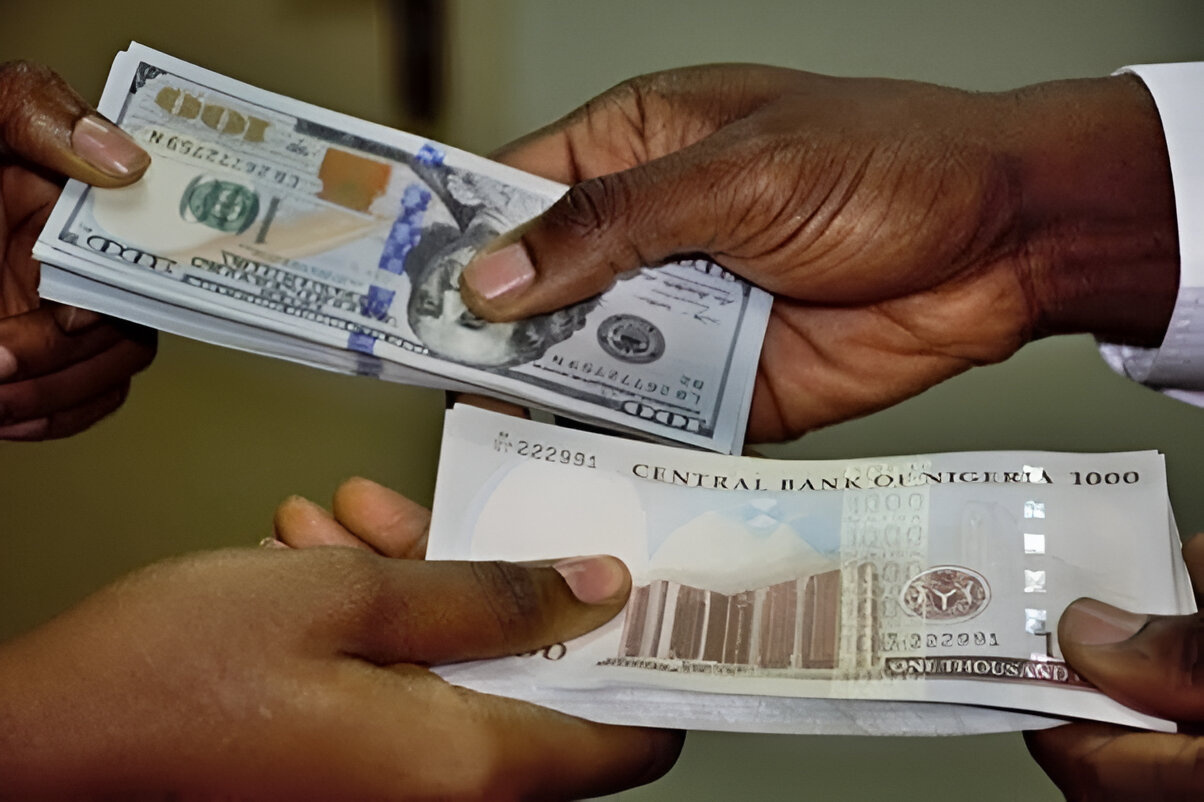
Nigeria’s embattled currency is enjoying a rare moment of relative calm against the greenback. The naira opened trading today at N1,363 per US dollar in the official Nigerian Foreign Exchange Market. Parallel market dealers are asking for roughly N1,400 for the same dollar notes. This narrow gap between the two markets points to a temporary equilibrium in domestic currency demand. Yet local businesses remain deeply wary of past volatility.
The current stability stems largely from aggressive monetary tightening by the Central Bank of Nigeria. Policy makers recently pushed the benchmark interest rate up to a historic 26.5 per cent. This high-interest-rate defensive wall aims to mop up excess liquidity and attract foreign portfolio investors. It has also helped cool annual headline inflation down toward the 15 per cent mark. The state is deliberately slowing down economic growth to defend the currency.
Daily transaction volumes across the official interbank window show a highly controlled environment. Turnover on the trading floor reached nearly 40 million dollars during the latest session. While this supply keeps the spot rate steady, it fails to satisfy the deep structural hunger for foreign exchange. Major manufacturers still complain about long queues for raw material imports. The central bank is managing a shortage rather than creating abundance.
A stronger dollar index globally presents a lingering threat to this fragile domestic truce. International financial markets expect sticky consumer inflation in the United States to keep global interest rates higher for longer. Stronger asset yields in America naturally pull capital away from volatile emerging markets like Nigeria. The local treasury must work twice as hard to keep international investors interested. Any sudden drop in oil revenues could easily break the current defense line.
For ordinary citizens, the stable exchange rate brings minimal relief to grocery bills. The cost of imported goods remains pegged to the high currency devaluations of last year. Local traders also show great reluctance to lower consumer prices even when the naira gains ground. They prefer to protect their own profit margins against future economic shocks. Currency stability is a welcome metric, but it has not translated into cheaper living costs.