
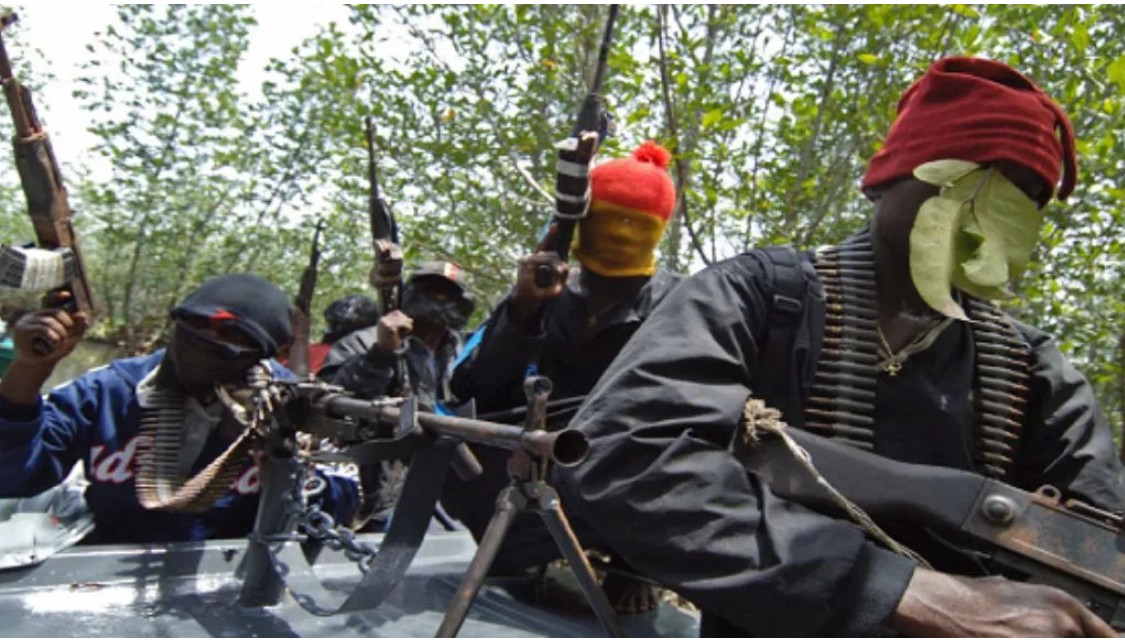
Kidnapping syndicates extorted N7.78 billion in cash payments across Nigeria between July 2025 and June 2026, according to a report by SBM Intelligence. The Lagos-based geopolitical research consultancy documented 1,713 separate kidnap incidents involving 7,825 victims within the twelve-month cycle. Total ransom payments more than tripled from the N2.56 billion recorded in the previous annual review, even though nominal ransom demands fell from N48 billion to N22.9 billion. Armed groups killed at least 1,142 people during violent raids and captivity negotiations. The total number of abducted citizens surged by 66 per cent compared to the preceding year. Ransom payments offer zero guarantee of personal safety for seized captives. Criminal gangs have turned civilian abductions into an industrial enterprise.
A single ideological terror faction captured ninety per cent of all ransom money paid nationwide. The Jama’atu Ahlis Sunna Lidda’awati Wal-Jihad faction of Boko Haram extracted N7 billion from just eight major kidnapping incidents. Two high-profile mass abductions provided the bulk of the terror group’s financial haul. Negotiators paid N5 billion to free 416 captives seized from Ngoshe in Borno State. Another N2 billion secured the release of 315 pupils and teachers taken from St Mary’s Catholic School in Papiri, Niger State. Ideological insurgents run far more efficient extortion schemes than disparate rural bandits. Terrorist commanders extract massive sums through disciplined mass raids.
The vast majority of everyday criminal gangs operate on very thin collection margins. Unaligned bandits and local gangs demanded N13.5 billion from poor farming households but collected only N719 million. That figure represents a meagre 5.3 per cent collection rate across thousands of small-scale raids. In contrast, Boko Haram demanded N9.2 billion and collected N7 billion, achieving a staggering 76 per cent recovery rate. Peasant families in rural hamlets simply lack the cash to meet the wild demands of local outlaws. Rural bandits settle for smaller cash payouts, livestock, and commodity trade-offs to keep their camps running. High headline demands conceal poor cash extraction in the bush.
Mass hostage-taking has become the standard operating model for armed outlaws across the north. Four in every five victims were seized during group attacks on whole villages, school hostels, and worship centres. The northern region suffered 93.7 per cent of all abductions, leaving southern states with 6.3 per cent of recorded victims. Zamfara State remained the country’s most dangerous territory, recording 236 incidents involving 1,921 victims. Sokoto, Katsina, and Kaduna states also recorded heavy casualty numbers and repeated village raids. Gunmen exploit vast, unpoliced forest corridors to herd large groups of captives into remote camps. Mass raids maximise terror and overwhelm local police posts.
The resurgence of mass school abductions strikes a terrible blow against basic education across northern farming communities. Gangs target rural boarding schools because classrooms offer soft targets with high political value. Terrified parents keep their children at home rather than risk violent abductions along unpaved rural tracks. State governments have closed hundreds of rural primary schools, swelling the ranks of out-of-school children across vulnerable councils. The disruption spreads into agricultural fields as farming families flee border districts to escape forced levies. When schools shut down and farmers abandon their land, rural poverty deepens rapidly. Empty classrooms fuel long-term social breakdown.
Kidnap networks are steadily adapting their operational demands to the severe cash shortages crushing rural households. Outlaws in fourteen separate incidents demanded petrol, motorcycles, smartphones, and dry foodstuffs instead of paper currency. Distraught families sold cooking pots, farm tools, and land holdings to buy supplies for the gunmen. Intermediaries who carry ransom into the bush now face severe risks, with bandits frequently abducting the ransom-bearers themselves. The researchers noted that at least six captives were murdered in cold blood after their families paid the agreed sums. Paying ransoms feeds an insatiable criminal beast. Cash payments simply fund the next raid.
Nigeria’s financial intelligence desks have largely failed to choke the banking channels that move illicit ransom cash. Syndicate bosses use networks of point-of-sale operators and compromised bank accounts to convert digital transfers into physical notes. Security agencies allocate billions of naira to buy surveillance technology while neglecting basic community human intelligence in remote districts. Anti-kidnapping legislation that criminalises ransom payments has failed because desperate relatives will always pay to save family members. Military forces launch occasional clearance operations, but outlaws return to the same forest hideouts once troops withdraw. Conventional military barracks cannot secure dispersed, isolated farming hamlets. The state cannot defeat kidnapping with seasonal army sweeps.
Ending this lucrative kidnap economy requires the permanent disruption of rural financial conduits and armed forest camps. The federal government must deploy mobile border patrols to cut the cross-border weapons supply lines that arm forest cartels. Central bank regulators must impose stiff penalties on financial institutions that fail to freeze suspicious transaction surges. State governments need to establish permanent security bases inside vulnerable rural farming belts rather than rely on distant urban garrisons. Security forces must also protect vulnerable schools with perimeter alarms, solar lighting, and trained village guards. Without targeted intelligence and aggressive prosecution of syndicate financiers, kidnapping will remain Nigeria’s most profitable criminal enterprise. The state must break the financial pipeline that fuels rural terror.