
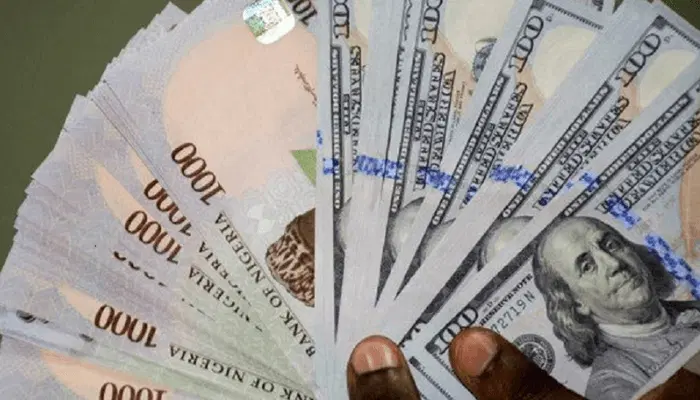
The Nigerian currency opened trading in a narrow band on Monday, 12 October, fetching approximately 1,332.49 naira to the United States dollar on the official Nigerian Foreign Exchange Market. Street dealers across the parallel market quoted the greenback between 1,370 naira for buyers and 1,380 naira for sellers, maintaining a modest premium over formal banking windows. Currency stability remains an expensive luxury. Central Bank of Nigeria Governor Olayemi Cardoso continues to anchor official liquidity around the 1,330 corridor, but persistent retail demand keeps the unauthorised curb market alive.
Official trading data published by the monetary authority showed the formal window settled at 1,332.49 naira per dollar on Friday, 9 October, following several quiet autumn sessions. Importers and parents funding overseas tuition fees still face acute dollar shortages through domestic commercial banks, driving ordinary retail buyers straight to black-market desks in Lagos and Abuja. Scarcity breeds parallel market trades. That forty-eight-naira gap between official bank desks and roadside kiosks shows that administrative fixes cannot fully eliminate the structural thirst for foreign exchange.
Governor Cardoso has expended substantial foreign currency reserves to steady the exchange rate ahead of the year-end import surge. Commercial banks report steady liquidity allotments, yet manufacturers continue to warn that high borrowing costs and expensive import bills crush industrial operations. Costly credit stifles factory growth. Manufacturers buy raw materials with expensive dollars, passing every extra kobo directly onto impoverished consumers at the supermarket shelf.
The foreign exchange market faces severe tests in the coming weeks as seasonal festive orders force merchants to hoard paper notes. Oil revenues provide only a fragile cushion for external reserves when domestic crude production stagnates, and global fuel subsidies bleed public revenues. Artificial floors crack under pressure. If the central bank slows its market interventions, the forty-eight-naira spread will widen rapidly into the disruptive arbitrage gaps that battered the economy in previous years.
Nigeria’s monetary authorities must decide whether to permit complete price discovery or burn foreign reserves defending an official peg. The parallel market quote of 1,380 naira proves that market participants still expect further local currency depreciation before the current financial quarter ends. Reality always defeats currency edicts. Until export earnings expand beyond crude oil shipments, the naira will remain at the mercy of speculative runs and dollar hoarding.