
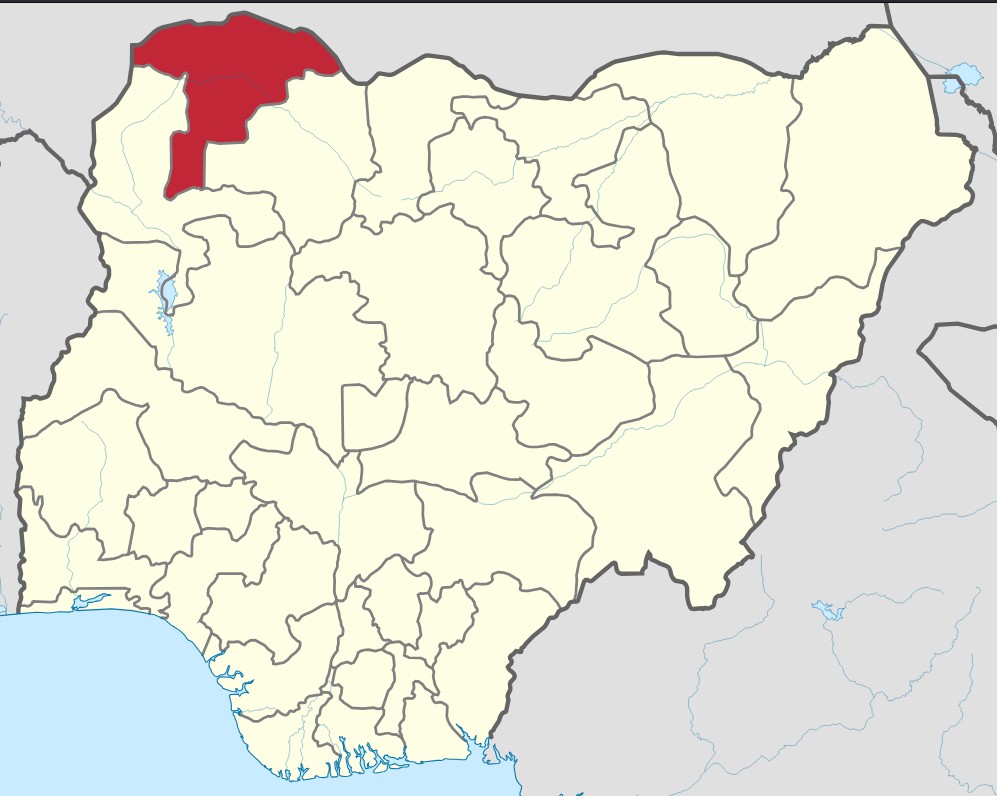
Armed bandits stormed the Yartsakuwa community in Sokoto State’s Rabah Local Government Area early on Sunday, 15 November 2026, killing at least three residents and abducting several women. State police spokesperson Ahmad Rufai confirmed the fatalities alongside widespread livestock rustling, though local survivor Najeeb Yartsakuwa reported that the gunmen killed three men and a woman. The raiders targeted family compounds directly, seizing Yartsakuwa’s biological sister, four sisters-in-law, and several other female neighbours before vanishing into the bush.
Rural communities across north-western Nigeria increasingly function as open hunting grounds for heavily armed criminal syndicates. Attackers routinely combine lethal violence with mass kidnappings and cattle theft to maximise their financial leverage over terrified farming families. By targeting women specifically, these gangs ensure maximum emotional pressure on households that already struggle to feed themselves.
Discrepancies between official police tallies and eyewitness accounts reveal a widening gap in rural security reporting. Law enforcement agencies rarely maintain permanent outposts inside remote villages, leaving officers to count bodies long after raiders have escaped with their captives. Residents often bury their dead before patrol vehicles even reach the outskirts of the settlement.
Rabah Local Government Area sits squarely inside a persistent corridor of insecurity that state operations have failed to seal. Just two months ago in September, gunmen raided the nearby Tofa community within the same council area, killing locals and kidnapping dozens of residents. Occasional rescue missions, such as a police raid in Yabo on 9 November that freed two captives, barely dent the operational freedom of these roving militias.
Every stolen herd strips agrarian households of their sole store of wealth and insurance against crop failure. Bandits treat rural livestock as liquid currency, driving rustled cattle along forest corridors to fund fresh shipments of ammunition and motorcycles. When farmers lose both their family members and their animals in a single night, entire villages collapse into destitution.
Political campaigns in Abuja tout impressive security statistics, yet northern villagers measure safety by whether they survive until dawn. Ahead of the January 2027 general elections, ruling party spokesmen boast of eliminating thousands of insurgents over three years. Those numbers ring hollow in Yartsakuwa, where grieving families now face impossible ransom demands with empty pens and fresh graves.