
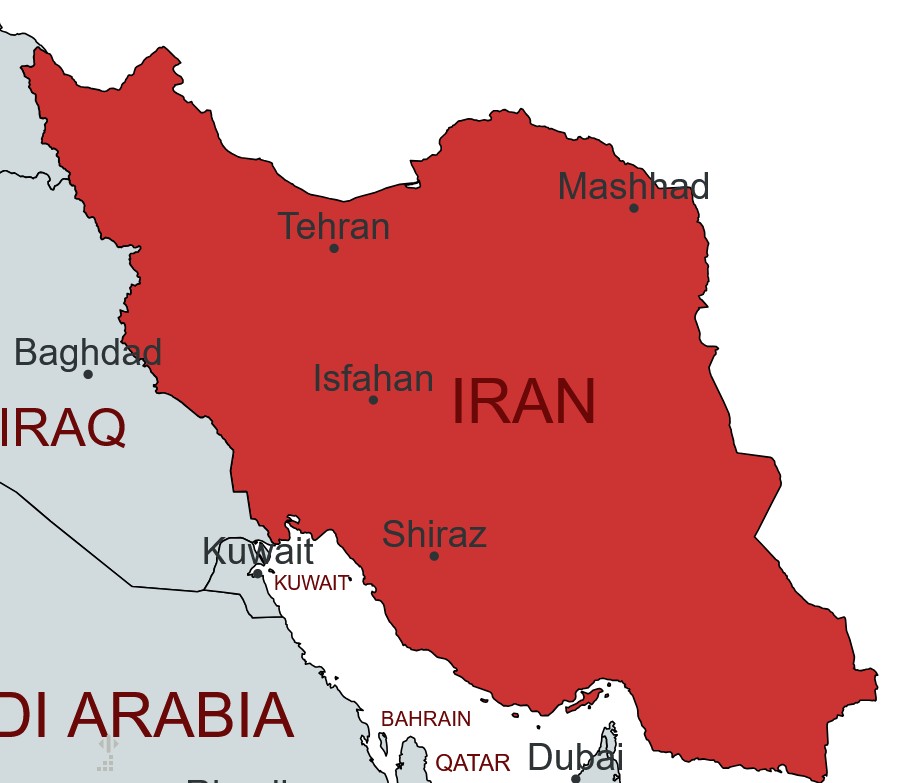
Top defence and intelligence chiefs from Saudi Arabia, Pakistan, and Turkey arrived in Tehran on Monday for emergency security talks with Iranian officials. The visit marks the first direct high-level consultation between the Islamic Republic and members of the Mecca Joint Defence Agreement since regional hostilities escalated. Shifting alliances reflect deepening panic across capitals.
Saudi Defence Minister Khalid bin Salman Al Saud, Pakistani military chief Field Marshal Asim Munir, and Turkish intelligence head Ibrahim Kalin will meet Iranian security chief Mohsen Rezaei and President Masoud Pezeshkian. The visitors want to stem an uncontrolled regional war that threatens their own borders and commercial trade routes. Proximity offers little comfort during conflagrations.
Tehran seized on the mission to push its doctrine of local security free from Western intervention. Iranian Foreign Ministry spokesman Esmaeil Baghaei praised the regional delegates for pursuing mechanisms that reflect home-grown interests rather than foreign agendas. Words mask hard operational realities.
The diplomatic push unfolds against a backdrop of fierce fighting in Yemen and recurring strikes on Gulf infrastructure. A Saudi-led coalition bombed Houthi missile bunkers in Sanaa after the armed group fired ballistic missiles at Riyadh’s main airport. Fragile truces rarely survive missile fire.
International markets remain jittery as the crisis constricts maritime shipping channels throughout the Persian Gulf. Brent crude hovers near 115 dollars a barrel after attacks crippled merchant vessels transiting the narrow Strait of Hormuz. High energy prices punish everyone.
United States President Donald Trump ruled out fresh American air strikes for Monday, giving regional mediators a brief window to negotiate. Pakistan and Qatar continue to coordinate backchannel discussions to avert catastrophic miscalculations before upcoming American midterm elections. Time remains in very short supply.